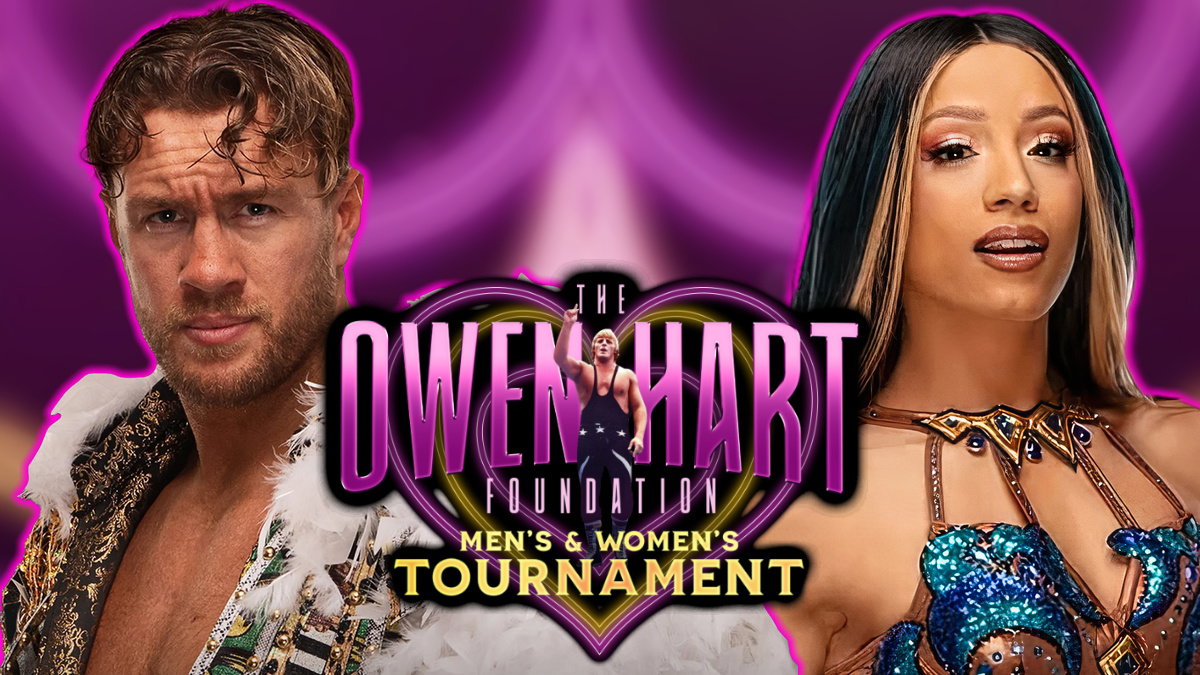
AEW needs to stop hiding their best tournament work on Wednesday nights
Tournament pacing requires visibility
The Owen Hart Foundation Tournament semi-final on AEW Dynamite is a significant marker for the promotion, yet the booking strategy remains frustratingly opaque. By isolating critical tournament brackets to Wednesday broadcasts, Tony Khan risks alienating fans who require a cohesive narrative flow across all programming tiers. Elevating an Owen Hart semi-final is sound in theory, but when you look at the wider schedule, it creates a lopsided experience.
We are seeing top-tier talent funneled into singular hours while the weekend cards fight for identity. As PWInsider reported, the scheduling shift between Dynamite and Collision highlights a lack of balancing. A tournament of this prestige demands a unified front rather than being relegated to a mid-week gatekeeper role.
Collision needs substance over satellite status
The card for Saturday's Collision needs more than just peripheral engagement from the roster. If AEW intends to keep this show as a legitimate pillar, it cannot function as a secondary destination while the actual progression of the tournament happens elsewhere.
Technical precision in the ring is currently high, but the logistical application is leaking energy. Matches occurring during the Collision block are often treated as distinct from the central narrative threads established on Wednesday. This creates a disconnect for the viewer, who essentially watches two different promotions wearing the exact same logo.
The lack of stakes on Saturday evenings is becoming a pattern that the creative team addresses with more mid-card bouts rather than high-leverage main events. Finding the balance between weekly momentum and singular big-show payoffs is a known struggle, yet the gap here is widening. The current output for the tournament is roughly 80% concentrated in the first half of the week.
The technical flaw in mid-week bottlenecks
When you bury a bracket-deciding match on a Wednesday, you limit the reach of the eventual final. The goal should be capturing the broadest possible audience, yet the window is narrowing to a specific demographic that can sustain two major shows in less than 72 hours. This is an inefficient use of premium talent.
We are watching wrestlers of exceptional caliber, like those featured in the recent Owen Hart qualifying rounds, being forced to compete for attention within a truncated time window. The flow of a tournament needs air to breathe. Cramming meaningful matches into a tight window forces the production team to compromise on segment length, often leading to rushed finishes and abbreviated post-match reactions.
I have tracked several instances where the buildup to these bracket-enders felt diminished by the sheer volume of competing segments. At the 42-minute mark of recent blocks, the internal pacing often hits a wall as the show forces multiple angles to coexist within the same hour. The result is a messy conclusion for a tournament that deserves a focused presentation.
A tournament is only as strong as its stakes—if the stakes are buried in the middle of a jammed episode, the importance of the trophy itself is diminished. The path to the Owen Hart Foundation trophy is a major brand identifier, yet it feels like an afterthought compared to the standard weekly feuds that occupy the primetime slots.
Moving forward, the booking team must consider a staggered approach. Spreading the tournament across days, rather than isolating the most important matches, would stabilize the audience interest. Until then, we are left with a viewing experience that feels disjointed and needlessly complicated.
WWE Men's Logo T-Shirt
The classic logo tee that represents the squared circle anywhere you go.
Frequently Asked Questions
Why is AEW's current tournament scheduling considered a failure?
How does mid-week tournament booking affect Collision?
What are the negative effects of the current tournament pacing?
Why does the author advocate for spreading matches across the week?
What is the primary criticism of the Owen Hart Foundation tournament?
More Coverage
AEW's booking leaves fans screaming into the void
7 hours ago
CM Punk is trolling online again, but Bayley is the real variable
14 hours ago
AEW Dynamite struggles to find momentum ahead of Redemption
16 hours agoAEW Collision needs a sense of direction before Redemption
1 day, 1 hour ago
AJ Lee is proving that ring rust is a myth
1 day, 1 hour agoRachel Price's legal victory highlights the cost of independent wrestling
1 day, 10 hours agoMore Analysis
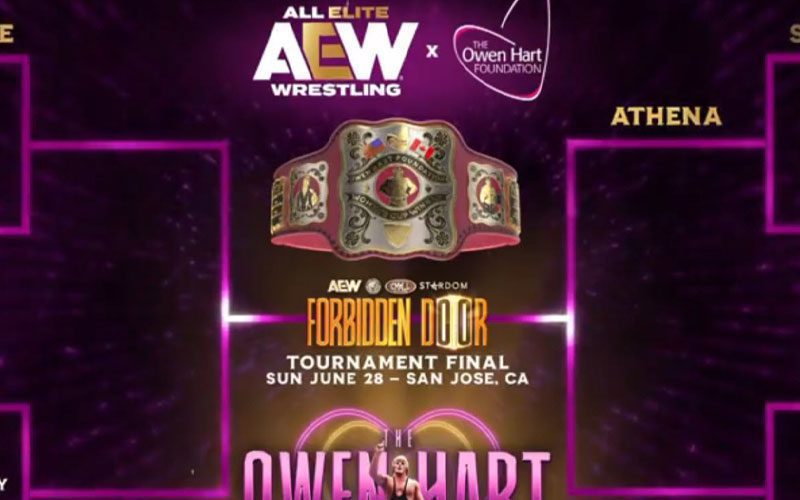
AEW needs to stop treating its tournament brackets like a mystery
1 month, 3 weeks ago
AEW needs more than tournament matches to fix their ratings slide
1 month, 3 weeks agoAEW is walking a tightrope with the Owen Hart Tournament
1 month, 3 weeks ago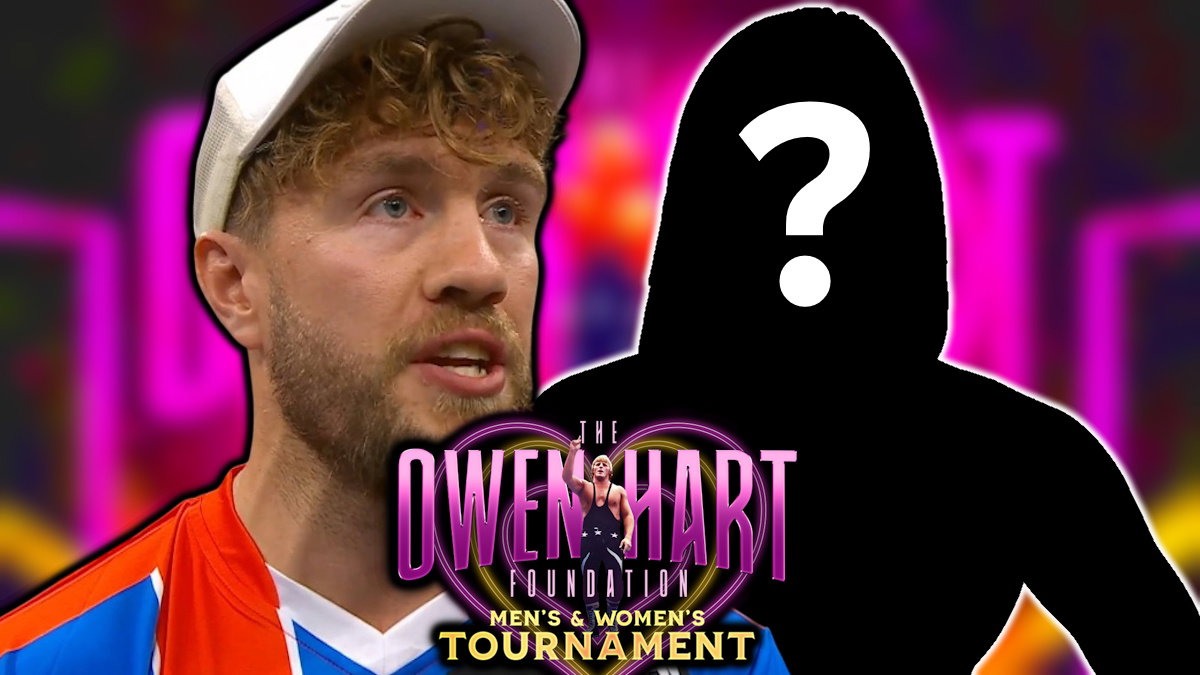
AEW is finally making the Owen Hart Tournament matter
3 months, 1 week ago
AEW Collision's ratings dip reveals a problematic scheduling strategy
1 month, 1 week ago