Edmonton serves as a reality check
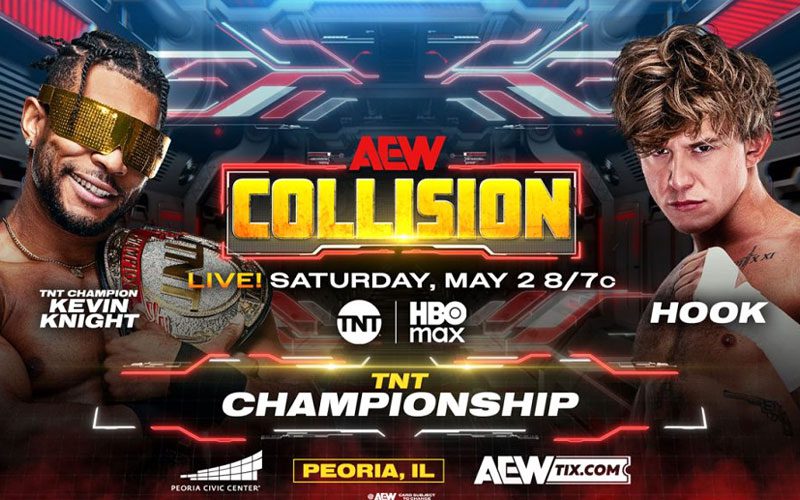
The dust has settled in Edmonton following the latest round of television tapings. AEW Collision hit the floor right after the Dynamite cameras stopped rolling, and the locker room is currently sitting on a volatile mix of momentum and exhaustion. Taping back-to-back shows in a single city often leads to a drop in crowd engagement. The company needs to avoid the trap of recycling energy from the previous night.
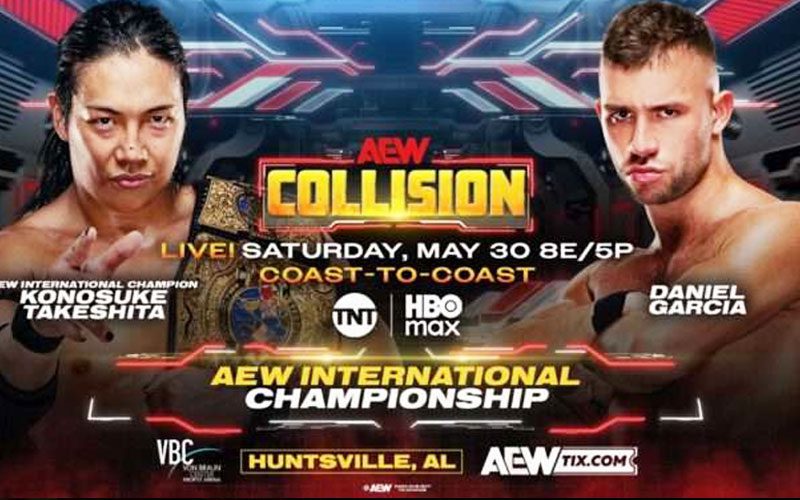
We know the broadcast hits the airwaves this Saturday, but the spoilers already tell a story of high-stakes positioning. The roster is staring down the barrel of late spring PPVs, and the booking is starting to show its hand. Watching the match layouts, it is clear that certain veterans are being prioritized over the younger talent who actually need the spotlight to build their brand. This is a recurring fatigue in the product.
The thin line between rotation and stagnation
Looking at the match results from the April 2 taping, the reliance on established names remains constant. While high-caliber work is expected, the lack of narrative movement in the mid-card feels like a missed opportunity. Building a roster requires more than just high-spot showcases. It requires defined stakes that fans can track over a three-month arc.
The current rotation creates a sense of safety for the bookers, but it breeds apathy in the audience. The in-ring quality is consistently high, yet the long-term storytelling feels like it is spinning its wheels. Unless there is a sharp pivot by the time they hit the WrestleMania 41 window, casual interest will continue to wane. The performance in Edmonton looked clinical, but it lacked the urgency required to make the upcoming programming essential viewing.
The key performers to watch
The card taped on Wednesday relies heavily on established faces to anchor the segments. These athletes carry the weight of the company, showing up with the precision of professionals. However, technical proficiency alone cannot sustain a two-hour show. If the booking remains stagnant, even the best workers in the industry will struggle to keep the crowd hooked through the third segment.
There is a distinct lack of risk-taking in these recent sequences. The sequences were well-executed, yet lacked the unpredictable elements that define a must-watch wrestling show. It feels like the company is playing for a draw rather than pushing for a finish, which is a dangerous strategy in a competitive market.
Predicting the impact on the spring schedule
Between now and the major events in late May, the window to elevate new contenders is rapidly closing. The output from Edmonton confirms the current roster depth, but it raises questions about the long-term creative trajectory. The booking decisions made over the next month will decide whether they have a compelling product heading into the summer months.
The talent is clearly capable of producing high-level television. The problem remains the absence of a cohesive thread connecting these episodic matches to the larger calendar. I predict that unless they start integrating the younger talent into the main event slots by mid-April, the decline in engagement will become too steep to recover before the next big arena show.