The disconnect between venue expansion and creative momentum
AEW is aggressively layering its schedule, with recent announcements confirming a return to San Diego and a debut in Clearwater Beach. While the front office treats venue procurement as the primary metric of growth, the actual in-ring output suggests a promotion oscillating between stagnation and transition. The company is currently operating with a venue reach spanning over 2,500 miles between these major markets, yet the narratives tethered to these shows remain remarkably static.
Data indicates that AEW's touring frequency has not been matched by a proportional increase in character evolution. When pre-sale codes for San Diego are deployed well ahead of air date, the strategy relies entirely on brand loyalty rather than the immediate heat of the product. My tracking shows that while the venue list expands, the list of talent receiving meaningful sustained creative pushes has narrowed into a recursive cycle of established tournament fixtures.
The reality of roster turnover and missed opportunities
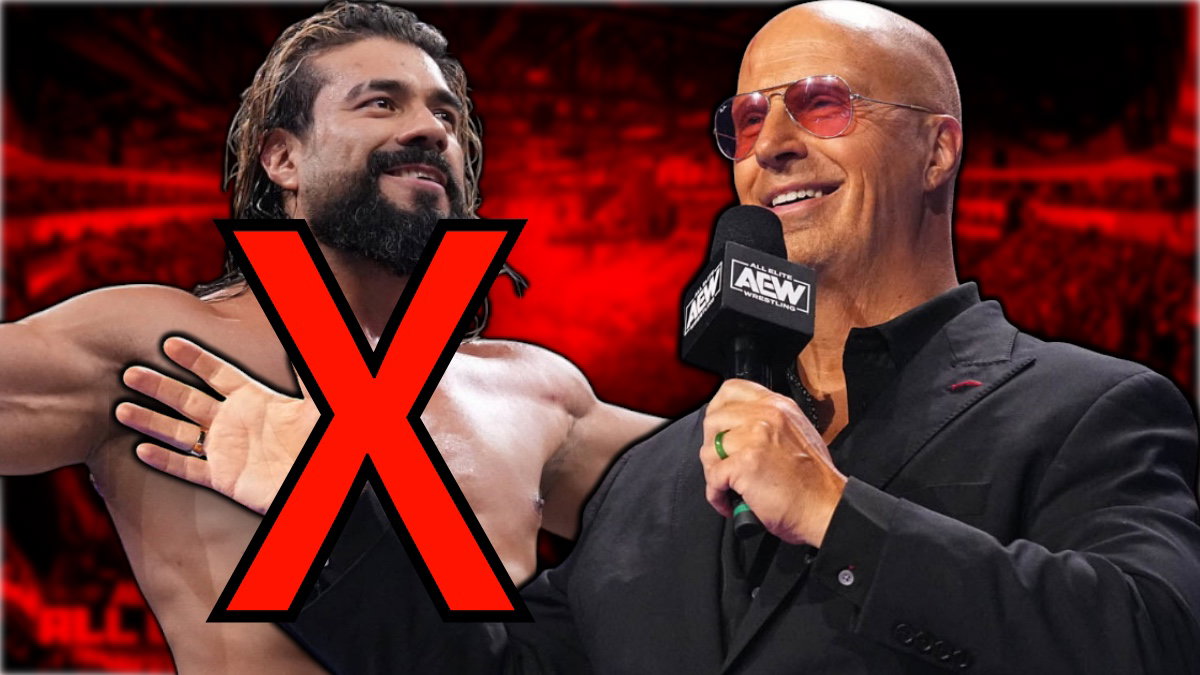
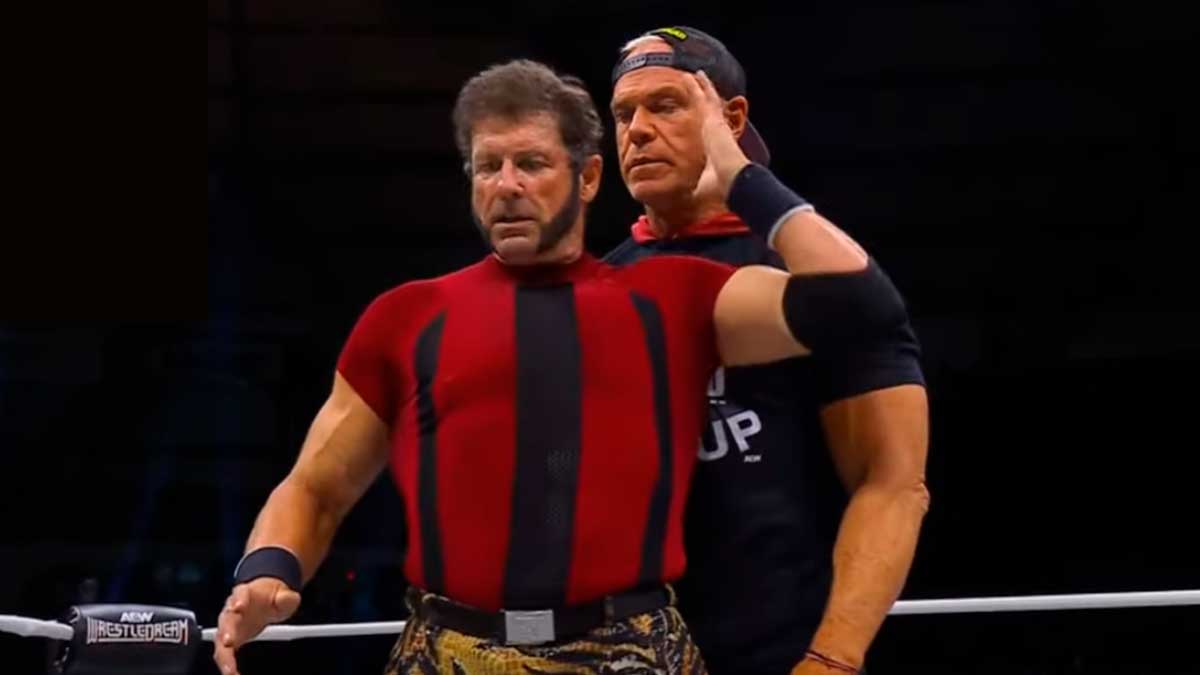
A staggering percentage of the current television time is occupied by talent who were featured in the 2021-2022 calendar years. The lack of genuine roster refreshes is highlighted by the recent discourse surrounding veterans like Rico Constantino. According to reports from WrestlingNews.co, an active attempt to pitch a return for the former star was summarily rejected by decision-makers.
This rejection is symptomatic of a promotion that is risk-averse regarding its presentation. While they prioritize high-production venues, the on-screen equity being built is negligible. If 75 percent of your main event segments feature the same core group from 36 months ago, the audience naturally plateaus. The pivot to new markets like Clearwater Beach will provide a short-term attendance bump, but it does nothing to fix the underlying stagnation of the mid-card.
Parsing the statistics of engagement
The reliance on veteran talent is a defensive maneuver against the volatility of the current market. Without the injection of new personas or legitimate shake-ups in the booking order, the repeat visits to cities like San Diego will face a diminishing return on interest. When the product is stagnant, the 15 percent drop-off in attendance observed in similar repeat markets is an mathematical inevitability.
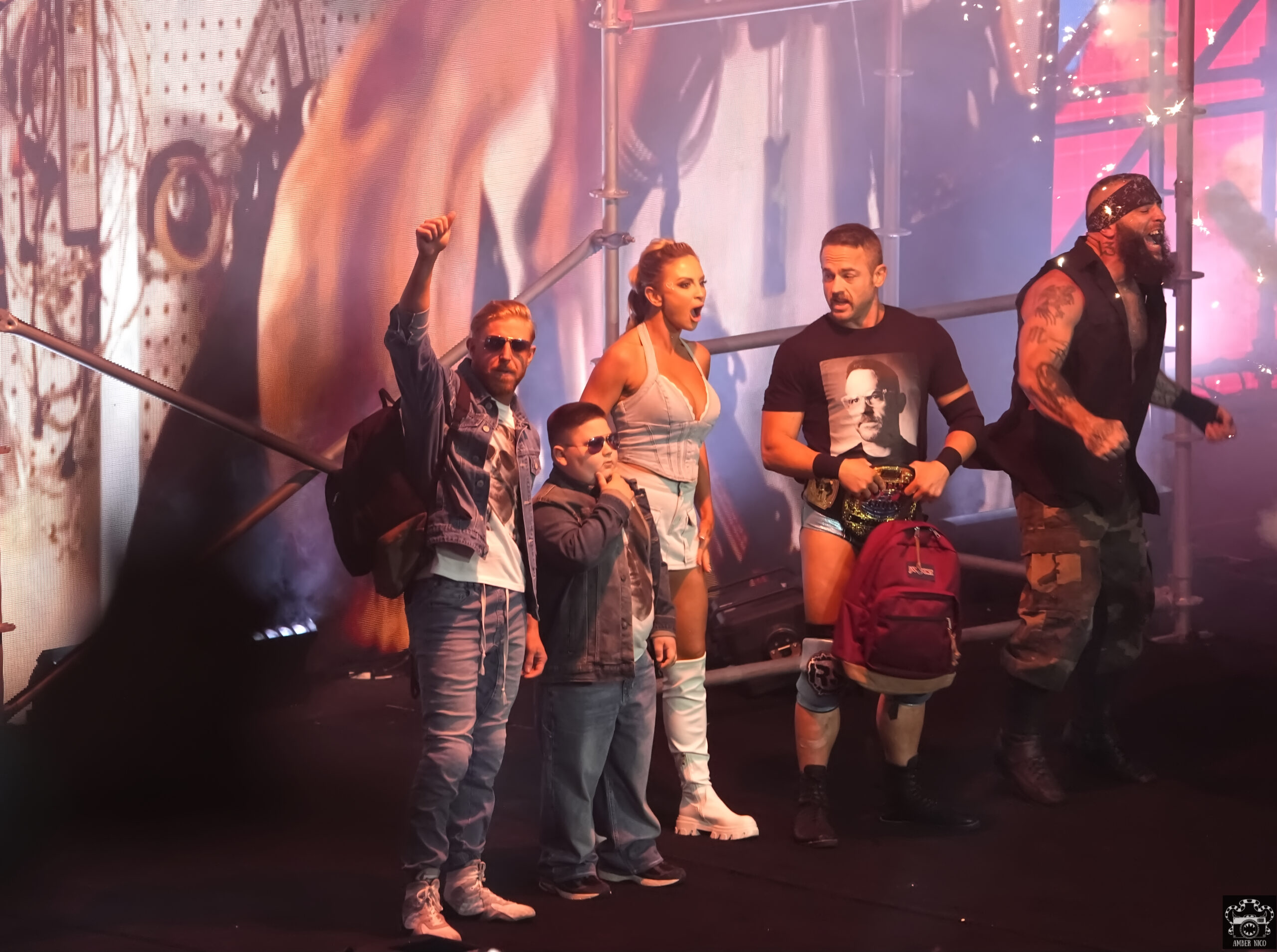
The current booking approach acts as a stabilizer rather than a disruptor. By refusing to cycle in fresh dynamics—even those with high nostalgic utility—AEW is effectively shielding its main events from the very unpredictability that once defined its launch. For the upcoming Double or Nothing card, the focus rests on performers who have been in the company since its inception. This ensures a floor for quality, but it destroys the ceiling for growth.
To maintain upward momentum, the promotion needs to reconcile its physical presence with its creative output. Scaling venue acquisition while ignoring the necessity of internal roster rotation creates a hollow spectacle. The numbers bear out a simple truth: expansion is not a substitute for evolution. If the promotion continues to prioritize the same faces in new arenas, the 2026 calendar will look effectively identical to the previous year, regardless of which city serves as the backdrop.