The Roster Logjam
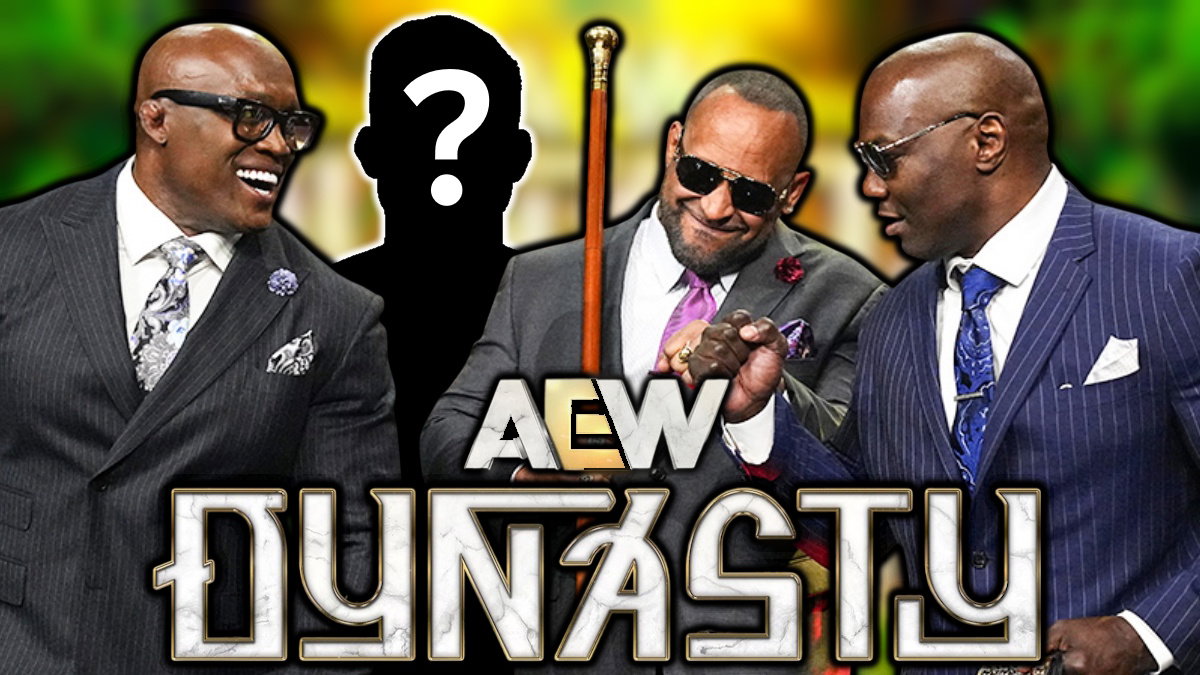
The rumor mill is spinning out of control ahead of AEW Dynasty. A recent report from WrestleTalk suggests All Elite Wrestling is lining up a staggering eight debuts for the pay-per-view. The event drops on March 30 in Kansas City, which is just four days away. The sheer volume of that claim is enough to short-circuit the wrestling internet. It also raises massive red flags about roster management.
According to the WrestleTalk feature, AEW has already "added a ton of new names to start off 2026." That much is undeniably true. The company has aggressively restocked its talent pool since January. But the idea of holding back eight distinct arrivals for a single Sunday night broadcast is a logistical nightmare. It is the kind of fantasy booking that looks great on a whiteboard but falls apart completely on live television.
You only have so much oxygen on a pay-per-view. If you debut a major main event player, they need the spotlight. They need the post-match angle to breathe. If you immediately follow that up thirty minutes later with another surprise run-in, and then another one on the pre-show, you dilute the impact of every single arrival.
Let us look at the reality of the AEW locker room right now. The roster is bloated. This is not a secret, and it is the primary criticism levied at Tony Khan's booking style over the last two years. He loves the pop of a surprise debut. The arena goes dark, the music hits, the crowd loses their minds. It is an addictive formula. But the Wednesday after Dynasty, you have to actually book these people. You have to find television time for them on Dynamite and Collision.
If eight new talents walk through the curtain in Kansas City, who loses their TV time? That is the uncomfortable question no one asks when they fantasy book these massive signing sprees.
The Mechanics of a Debut Heavy Broadcast
WrestleTalk operates as an aggregator and a feature-driven site. When they publish a list of eight potential debuts, they are casting a massive net over the entire free agent market. They are looking at contracts expiring across the industry, talents finishing up independent dates, and international stars looking for a US television deal. It is an educated guessing game.
The source article explicitly notes they could "potentially introduce a few more at their next pay-per-view." The jump from a few more to eight is the speculative leap that drives engagement. That is the nature of wrestling journalism. You float the maximum number to cover all bases. If three of them show up, you look like a genius. If none of them show up, plans changed. But the conversation it generates is the real currency.
But let us take the rumor at face value for a moment. What does an eight-debut class actually look like?
It cannot be eight main eventers. The market simply does not have eight franchise players sitting in free agency right now. If this rumor holds any water, the breakdown would likely feature one or two top-tier acquisitions designed to immediately enter the world title picture. The rest would be mid-card depth, tag team reinforcements, or prospects earmarked for Ring of Honor.
Even then, debuting them all on March 30 is a massive risk. Fans have been conditioned to expect surprises at AEW pay-per-views. It is part of the brand identity. But there is a very real concept of diminishing returns. When everyone is a surprise, no one is a surprise.
Think back to All Out 2021. That night remains the gold standard for AEW pay-per-views. Adam Cole debuted. Bryan Danielson debuted. Minoru Suzuki showed up. Ruby Soho won the Casino Battle Royale. It felt like a tectonic shift in the industry. But that worked because the names were generational, and the pacing was perfect. Attempting to artificially recreate that magic by dumping half a dozen mid-tier free agents onto the Dynasty card will not yield the same result. It will just confuse the live crowd.
The Production and Structural Chaos
We also have to consider the production truck. A pay-per-view runs four to five hours. If you have eight debuts, you are scheduling a surprise every forty minutes. The production team has to cue the graphics, cut the music, frame the crowd reaction, and make sure the announcers know the talking points. Doing that eight times in one night is begging for a botched camera angle or missed cue.
If we look at the pure formatting of AEW Dynasty, the math becomes even more absurd. The show will likely feature eight to ten matches on the main card. If you have eight debuts, almost every single match needs to feature a run-in or a surprise post-match stare-down. It turns the pay-per-view into an angle-heavy television show rather than a destination event built around high-level in-ring competition.
Let us look at the financial realities. You do not sign eight talents without committing millions of dollars in guaranteed downside money. AEW has deep pockets, backed by the Khan family fortune, but it is still a business that needs to operate with some semblance of a budget. Dropping a massive chunk of payroll on a single pay-per-view cycle suggests a front-office panic or a desperate bid to pop a television rating. It is the exact strategy that bankrupted promotions in the past.
If we break down the roster structurally, finding real estate for eight new arrivals requires surgical precision. Let us look at the men's singles division first. The main event scene is completely gridlocked. You have former world champions trading wins on television just to stay warm. Injecting a top-tier free agent into that mix immediately displaces someone who has been carrying the company for years.
Then look at the women's division. AEW has historically struggled to carve out consistent, multi-segment stories for its female roster. If two or three of these rumored debuts are women, you are asking a division that barely gets two segments on Dynamite to suddenly accommodate multiple new major angles. It is mathematically impossible without drastically cutting the match times of established talent.
The tag team division is the only area that might absorb a massive influx. A few surprise teams debuting at Dynasty could instantly revitalize a scene that has felt stagnant since the turn of the year. But again, you run into the same issue. If you debut three new teams, you need to feed them wins. That means your existing teams become enhancement talent overnight.
The Creative Bottleneck
There is also the creative direction to consider. We are on the road to Double or Nothing on May 24. Dynasty is the major pivot point of the spring schedule. You use this show to blow off winter feuds and set the table for late May. If you introduce eight new elements to the chessboard, it completely disrupts the existing booking plans.
Consider the main event picture right now. Consider the mid-card championships. How do eight people seamlessly integrate into stories that are already playing out every Wednesday on TBS? The harsh reality is that they do not. Someone gets lost in the shuffle. They show up, get a huge reaction in Kansas City, win a squash match on Dynamite, and then vanish to Rampage for two months. We have seen this cycle repeat itself too many times to ignore it.
You also have to factor in the existing locker room morale. Professional wrestling is a highly political environment. When you have top-tier stars who have ground through the winter schedule, wrestling on Collision in front of half-empty arenas, only to see eight new faces parachute in for the biggest show of the spring, resentment builds. You are actively telling your current roster that they are not enough to draw a buyrate. That kind of message destroys locker room chemistry.
This rumor underscores a larger philosophy within the AEW administration. Tony Khan is a collector of talent. He has an encyclopedic knowledge of the sport and wants to assemble the greatest roster in the world. He has done exactly that. But there comes a point where you transition from assembling the roster to managing it. Adding eight names to the payroll is a move you make in the first two years of a company's existence. You do not do it right now unless you are preparing for a massive wave of outgoing departures.
When World Championship Wrestling did this in the late nineties, it created a bloated mid-card of guys making six figures to sit in catering. AEW is dangerously close to that territory. The urge to constantly freshen up the product with new faces is understandable. It masks deeper booking flaws. If your current storylines are dragging, a shiny new free agent is a quick fix. But it is a band-aid, not a cure.
The Reality of Rumor Aggregation
The free-agent market in early 2026 is undoubtedly rich. Contracts are turning over at an unprecedented rate across the globe. Wrestlers have more leverage and more options than at any point in the last two decades. AEW has the financial muscle to sign whoever they want. But having the money to sign eight people does not mean you have the television minutes to support them.
WrestleTalk is doing exactly what it should be doing right now. They are previewing a major pay-per-view and analyzing the available talent pool. The headline "8 Debuts" is designed to spark exactly this kind of debate. But fans need to temper their expectations.
This rumor, while exciting for the timeline, highlights the worst impulses of modern wrestling fans. We have been conditioned to value the surprise over the substance. We want the dopamine hit of unfamiliar music hitting the PA system, even if it ruins the long-term storytelling of the promotion.
The smartest play for AEW on March 30 is restraint. Deliver the massive matches you have advertised. Pay off the angles that have been building since January. If you have a legitimate, franchise-altering free agent ready to go, you pull the trigger. You close the show with that debut and send the crowd home buzzing. You do not dilute that moment by surrounding it with seven other mid-tier arrivals. Wrestling is about pacing. A great booker knows when to hold back. If Tony Khan empties his entire free-agent war chest in Kansas City, he leaves himself with nothing for Double or Nothing in May. He leaves himself with nothing for the summer stadium shows. It is a short-term pop that creates long-term headaches.
Probability Assessment: Medium to Low
Do not hold your breath for eight distinct debuts on the Dynasty broadcast. The math is simply not there. The probability of seeing one or two major, needle-moving arrivals is incredibly high. It is an AEW pay-per-view. Surprises are baked into the price tag. But an eight-person influx is essentially drafting a new brand from scratch. Expect the reality to land closer to two or three new faces, likely spaced out across the pre-show, a mid-card angle, and a main event post-match segment.
Expected Impact
If Tony Khan does the unthinkable and debuts eight talents in one night, the immediate reaction will be deafening. Social media will explode. The highlight clips will generate millions of views. But the long-term impact will be chaotic. The creative team will face a massive bottleneck trying to establish eight new characters simultaneously. It will completely upend the current hierarchy leading into Double or Nothing. You will see established stars pushed further down the card, and the complaints about screen time will reach a fever pitch. It is a sugar rush of booking that often leads to a massive creative crash.
Read Next
- AEW Dynasty's main event is a massive tactical risk for Tony Khan
- AEW's Dynasty go-home show proves Tony Khan has a massive video package problem
- AEW's Dynasty go-home show proved Tony Khan has a massive video package problem
- Ospreay vs MJF will steal Dynasty, but AEW's tag division is broken
- ⚡ AEW Dynasty 2026 — Full Coverage Hub