The Price of Gold at Dynasty
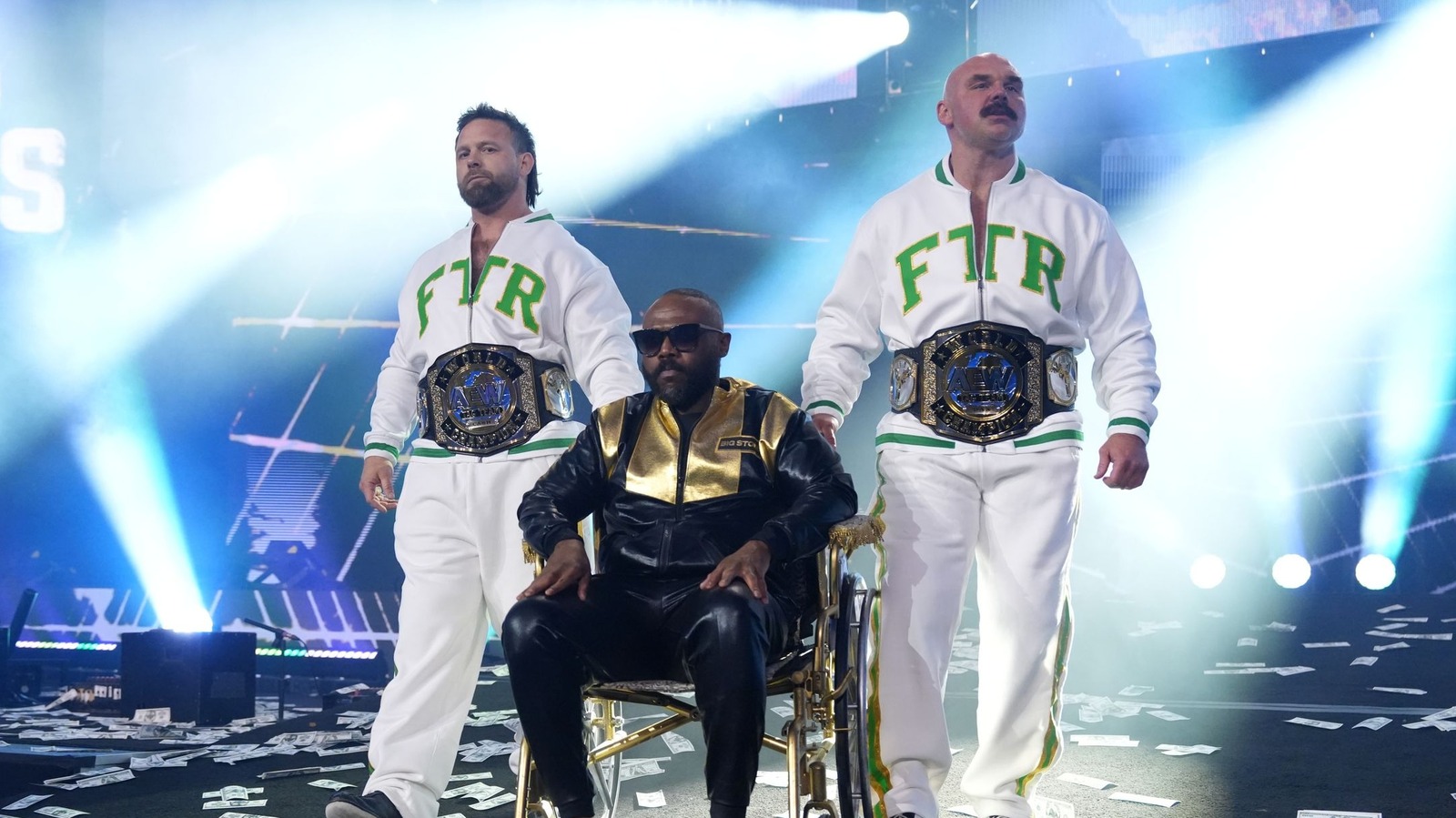
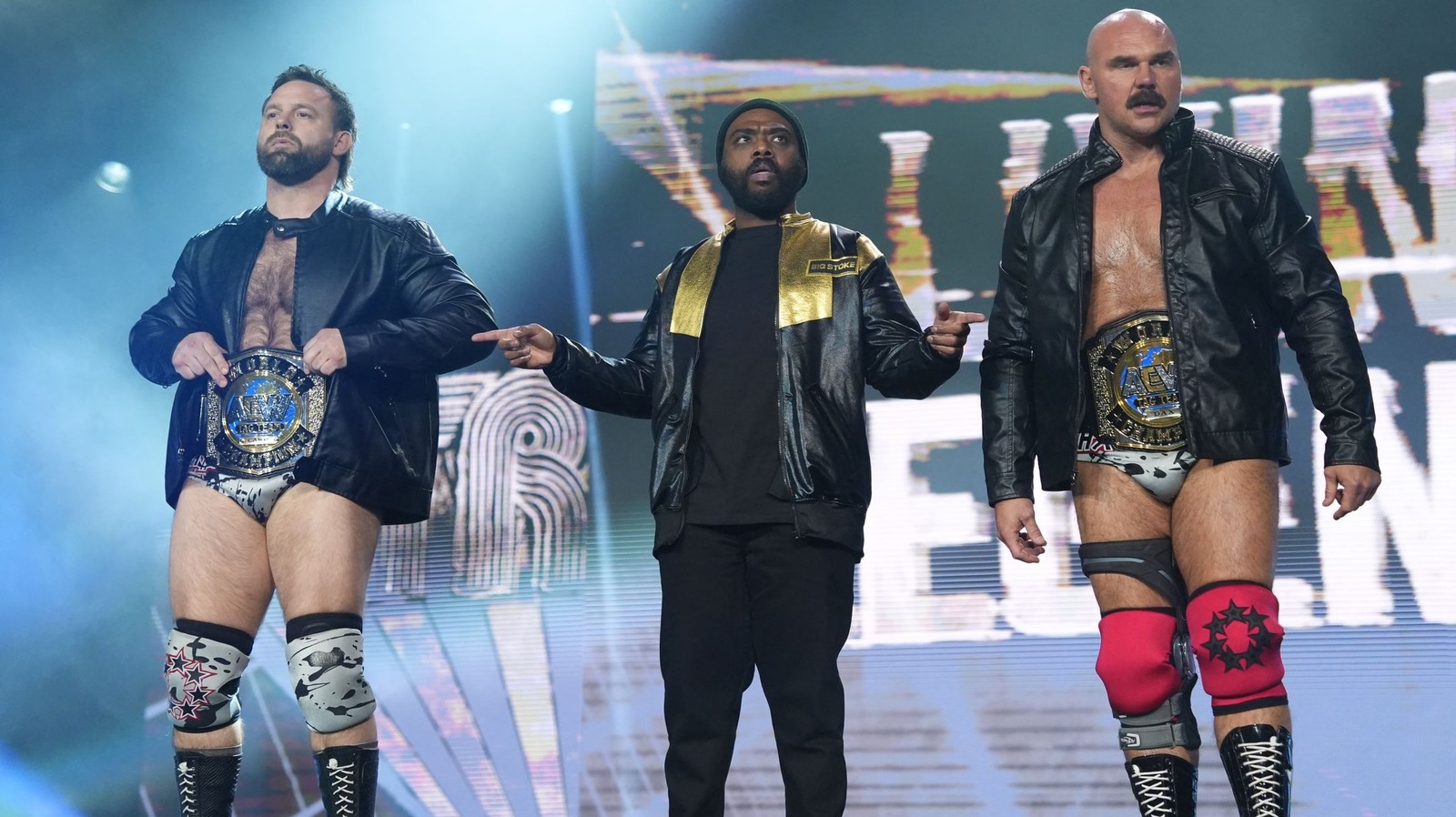
The tag team landscape in AEW remains unchanged, but the physical state of the division is precarious. At Dynasty, FTR successfully defended their AEW World Tag Team Championships against Adam Copeland and Christian Cage in a brutal, blood-soaked encounter. The match reinforced their status as the workhorses of the promotion, yet the cost of such high-intensity bouts is becoming difficult to ignore.
Reports from the X-ray room confirm that both Dax Harwood and Cash Wheeler suffered significant lacerations and blunt force trauma during the contest. The sheer volume of high-impact spots, including repeated chair shots to the cranium and multiple ring-post collisions, left both men dehydrated and heavily bandaged by the final bell. While they managed to secure the pinfall, the victory was arguably the most damaging night for the duo in 2026.
Tactical Regression and Division Health
From an analytical standpoint, this match highlighted a troubling reliance on extreme physicality to hide a lack of innovative storytelling. While the crowd reacted to the crimson mask motifs and weaponized chaos, the technical progression of tag team wrestling in this promotion has plateaued. FTR are masters of old-school psychology, but they are increasingly forced to double down on violence to compensate for a lack of credible challengers who can match their technical output.
The scheduling is another compounding factor. With AEW Dynasty in the rearview, the roster is immediately pivoting toward late-spring commitments. Wrestlers who endure this level of physical output require significant recovery time to avoid chronic injury. FTR has historically leaned on a style that stresses joint integrity, specifically in the knees and shoulders, making this current post-match status particularly worrisome as the buildup to May starts.
Historical Context and Structural Risk
We have seen this trajectory before. When tag teams rely on extreme stipulation matches to maintain momentum, their physical ceiling lowers rapidly. Comparing this to the 2024–2025 cycle, we are seeing a similar trend where the title holders are doing the heavy lifting for a division that lacks depth. If the championships continue to be defended in matches that require a medically assisted recovery, the shelf life of an active duo becomes measured in weeks rather than months.
Competitors like Christian Cage and Adam Copeland bring high visibility, but they also bring a heightened risk profile due to their extensive long-term injury histories. Putting FTR in the ring with veterans who require specialized recovery routines complicates the medical logistics for backstage staff. The medical team is now managing recovery timelines that could drift into the mid-May window, just as the build for Double or Nothing 2026 begins to intensify.
The Strategic Outlook
The decision to keep the belts on FTR suggests management wants stability, but this is a false sense of security. If the champions are sidelined for even a percentage of the typical recovery protocol, the entire tag team division effectively goes dormant. Management must consider implementing a more tiered recovery system for their top-tier talent, as relying on grit to pull through post-match recovery is a recipe for an unplanned vacancy.
We have observed a pattern in high-stakes bouts where the medical staff is bypassed to ensure the show closes on a high note. This strategy is shortsighted. By failing to rotate active title contenders, the promotion risks burning out its most reliable internal narrative arc. If FTR cannot perform at full capacity, the prestige of the belts will erode. The next two weeks of television will reveal if they are truly match-ready or just pushing through the pain to maintain appearances.
Realistically, a forced break or a lightened load is required before they can return to the heavy-hitting rotation. Any further high-consequence stipulations within the next month would be a profound booking failure. The champions have proven their toughness, but being the toughest team currently carries the risk of being the most fragile team by the time June arrives.