The Rise of Modern Tag Wrestling
AEW has spent years constructing a tag team division built on athleticism and long-term storytelling. From the early days of The Young Bucks and Lucha Bros to current rivalries, the division defines the brand identity. This list evaluates the most significant moments that shifted the competitive landscape of the promotion.
10. The Lucha Bros Win Gold at All Out 2021
Penta El Zero Miedo and Rey Fenix defeating The Young Bucks in a Cage Match was pure clinical precision. The high-risk exchange off the top of the cage signaled a shift toward a more dangerous, athletic style of tag team wrestling. It remains a technical benchmark for every team that has followed them.
9. FTR Retain Against Copeland and Cage
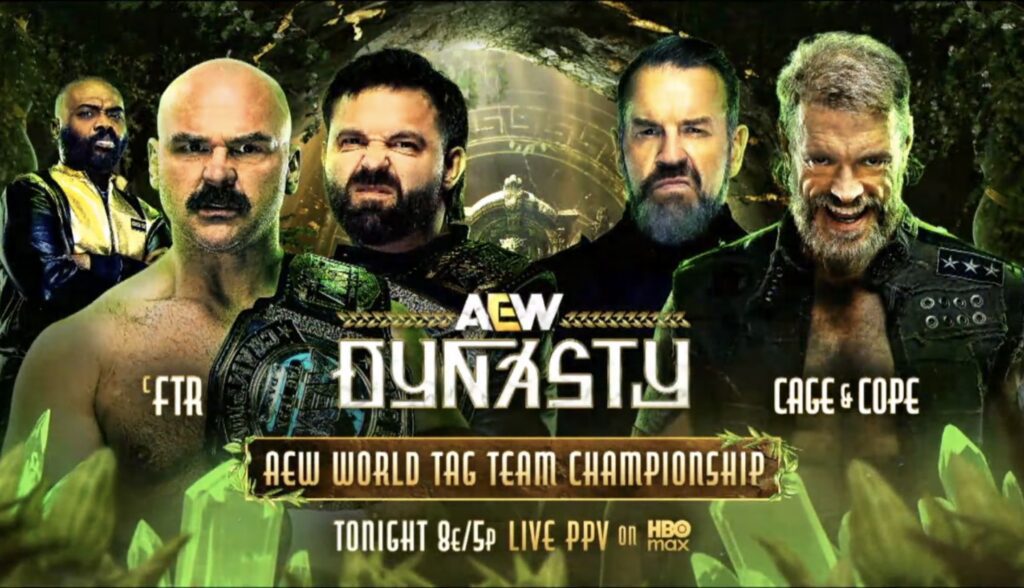
As BodySlam.net reported, FTR secured their spot at the top by defeating Christian Cage and Adam Copeland at AEW Dynasty. This match settled months of personal bad blood that included physical altercations with family members. It proved that FTR can thrive as antagonists while maintaining their technical superiority.
8. Sting’s Final Match
Darby Allin and Sting navigating the spectacle of a career finale at Revolution felt like a closing of a major chapter. While the actual match structure leaned heavily on nostalgia, the emotional weight carried the audience. It was a rare instance where the professional wrestling industry collectively paused to acknowledge a legacy.
7. Kenny Omega Wins the World Title
The Cleaner capturing the gold in late 2020 injected a specific urgency into the main event. His partnership with Don Callis added a layer of manipulation that felt fresh compared to the traditional babyface chases. Omega forced the locker room to elevate their striking game to match his intensity.
6. CM Punk Returns in Chicago
The First Dance generated more noise than any other moment in the promotion's relatively short existence. Even critics of his eventual fallout must admit the sheer magnitude of that opening segment changed the trajectory of the company. It put eyes on the product that had remained turned away since the mid-2000s.
5. The Inaugural Double or Nothing Casino Battle Royale
Jungle Boy winning the early battle royal established the foundation of the "pillars" concept. It was a risky booking decision for a new company to push youth over established legends in their opening act. Looking back, it was the right gamble that paid off in long-term character development.
4. Bryan Danielson vs. Kenny Omega at Grand Slam
This 30-minute time limit draw provided a stylistic blueprint for what a world-class television match should look like. No fall was recorded, but none was needed, as the storytelling through submissions and high-impact knees was sufficient. It remains the standard for how to protect two top-tier stars while delivering a classic event.
3. The Formation of the Blackpool Combat Club
William Regal uniting Jon Moxley and Bryan Danielson shifted the product toward a more violent, ground-based presentation. It stripped away the excess and returned the focus to professional aggression. If one has a gripe, it is the constant shifting of the roster, but the original core remains untouchable.
2. The Young Bucks’ Heel Turn
The transition to a more arrogant, suit-wearing persona allowed the Bucks to explore character work beyond just superkicks. It sparked genuine heat from the audience, which is a rare feat in the modern era of ironic fandom. They proved they could hold the division together from either side of the moral divide.
1. MJF’s Pipebomb Promo
No moment in the last five years has blurred the line between reality and scripted television quite like this outburst. MJF airing grievances about his contract status created a tension that felt entirely authentic, even if parts were produced. It is the gold standard for modern mic work and directly impacted the viewership numbers for the following three months.
Honorable Mentions
The debut of Malakai Black stands out for its production value alone. Jade Cargill’s undefeated streak served a necessary purpose in building a star from scratch. Finally, the Adam Page and Kenny Omega storytelling arc provided the emotional core that early AEW lacked.