The Wednesday Night Gamble
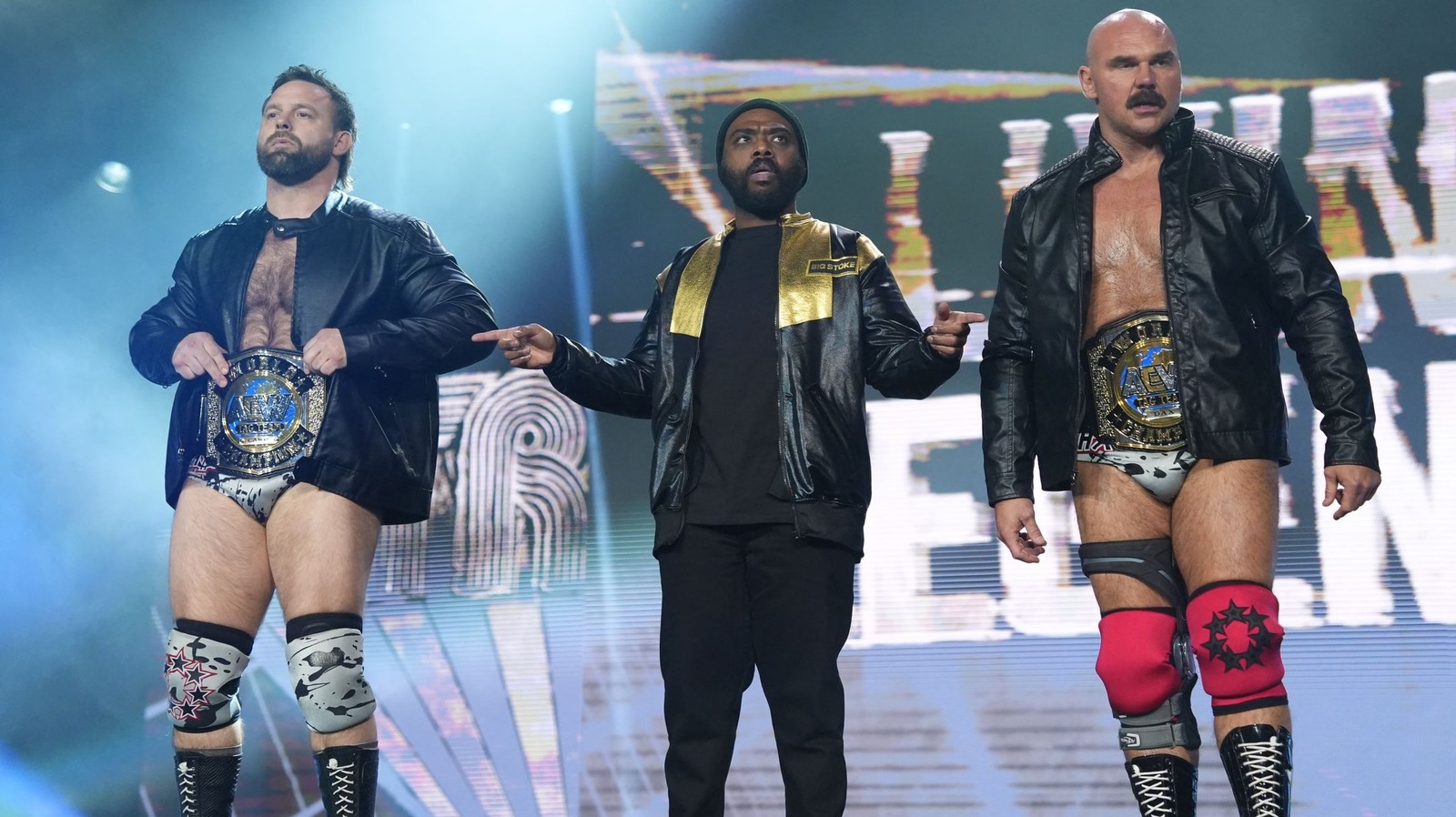
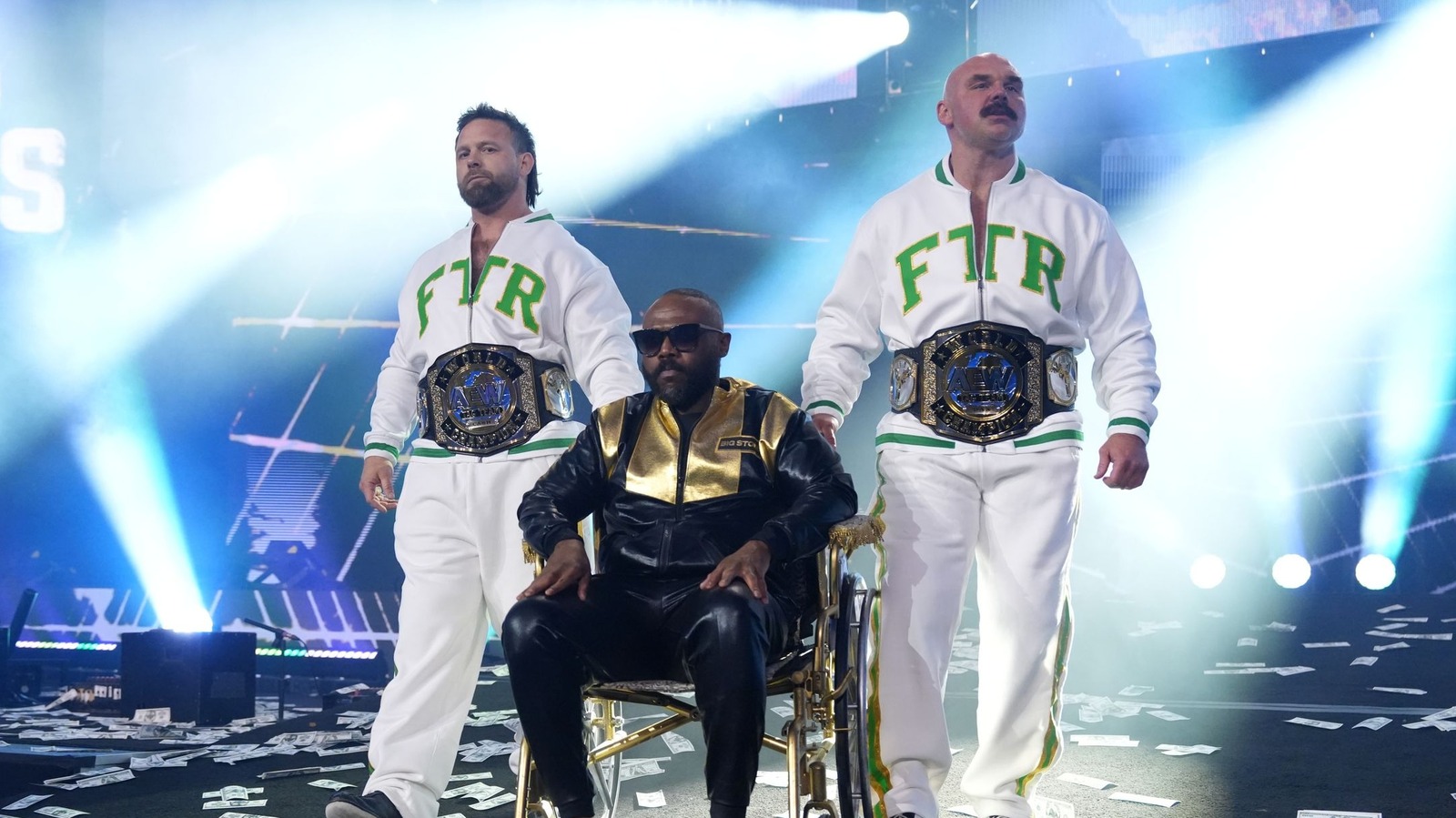
The dust has settled on Wednesday's AEW Collision. FTR successfully defended their AEW World Tag Team Championships against The Conglomeration's Orange Cassidy and Roderick Strong. They won. They kept the belts. But from a sports medicine perspective, the real story isn't the finish. It is the miles put on the odometer just hours before a pay-per-view.
Double or Nothing is just three days away in Las Vegas. That gives Dax Harwood and Cash Wheeler exactly 72 hours to recover from a high-impact, main event television match before they are expected to perform at a peak level. Tony Khan loves his stacked television cards. He wants Collision to feel essential. But sending your top champions into a physical grinder against two of the most relentless workers on the roster is a massive medical risk.
Let’s break down the recovery timeline. A standard professional wrestling match of this caliber triggers a massive cortisol spike. Heart rates sit comfortably above 160 beats per minute for extended periods. Muscle fibers tear. Joint capsules take repetitive micro-trauma from the unforgiving canvas.
Normally, a wrestler's body enters the peak phase of Delayed Onset Muscle Soreness (DOMS) roughly 48 to 72 hours post-match. That timeline puts the absolute worst of FTR’s physical soreness right around bell time at Double or Nothing. They will be stepping through the curtain exactly when their bodies are screaming for rest.
The Physiology of FTR
This is not a video game. You don't just hit a reset button in the locker room. The AEW medical staff now faces a compressed timeline to get these two men ring-ready. We are talking aggressive cryotherapy. We are talking hours on the massage table breaking down lactic acid.
You cannot evaluate an FTR match without looking at Dax Harwood’s medical history. Harwood is entirely transparent about the physical toll this business has taken on him. He has wrestled with torn labrums. He has battled chronic lower back issues that have occasionally left him struggling to walk through airports.
Every time Harwood hits a snap suplex, that lower back absorbs the shock. Every heavy chop exchange with Roderick Strong sends vibrations right up into the shoulder joints. Harwood is a throwback. He works a grounded, physical style. But that style is punishing. There is no such thing as a safe bump when you have a decade of accumulated scar tissue in your lumbar spine.
Working Cassidy and Strong meant absorbing an absurd amount of offense. Strong’s entire offensive repertoire is designed to target the neck and spine. Backbreakers, suplexes, sudden knee strikes. Every single one of those moves compounds the existing damage in Harwood's back.
Then you have Cash Wheeler. Fans often forget just how close Wheeler came to losing his career—and the use of his hand—due to a severe arm laceration in 2021. He caught his forearm on an exposed turnbuckle hook, severing tissue deep into the muscle fascia.
Injuries like that leave lasting neurological footprints. Nerve damage does not just vanish. Grip strength becomes a persistent issue. When Wheeler is in the ring trying to lock up with a relentless grappler like Strong, his forearms are burning. Every collar-and-elbow tie-up tests the surgical repairs in that arm.
The Conglomeration's Cumulative Damage
On the other side of the ring, you had Orange Cassidy and Roderick Strong. Cassidy is perhaps the most heavily utilized wrestler in AEW history. The man rarely takes a week off. Fans see the denim and the sunglasses. Medical professionals see a guy who has been taking high-angle bumps on a weekly basis for five years straight.
The kinesiology tape you often see plastered across Cassidy's shoulder isn't a fashion statement. It is a desperate attempt to stabilize a joint that is constantly asked to over-perform. He has also dealt with shattered hands and broken thumbs. Every time he throws a punch or locks his fingers for a hold, he is fighting through aggregated pain.
Then there is Strong. He possesses one of the most mechanically sound offensive arsenals in the sport. But he also has a heavily documented history of neck trauma. Strong wore a neck brace on television for almost a year in a storyline, but that angle was rooted in the reality of decades spent taking sheer drops on the independent circuit.
Taking FTR's signature double-team offense requires massive, sudden deceleration. When Harwood and Wheeler elevate an opponent for the Shatter Machine, the impact travels directly from the mat up through the cervical spine. Strong survived the match, but taking that kind of bump on a Wednesday guarantees severe stiffness through the weekend.
A Habit of Unnecessary Risk
This brings us to a harsh, critical observation. Why do this? Why risk the structural integrity of your tag team division days before a major revenue-generating event? Tony Khan has a terrible habit of tempting fate with these pre-PPV television cards.
AEW has a history of bad luck right before pay-per-views. We have seen main eventers pulled from cards on Friday afternoons because of a stray elbow or a botched landing on Dynamite or Collision. Remember when PAC suffered a severe injury right before All Out? Remember the constant reshuffling of the Forbidden Door cards because guys got hurt working meaningless television matches days prior?
The medical protocol in modern wrestling is stricter than ever. If Harwood tweaked a knee on Wednesday, or if Wheeler suffered a minor concussion, the Nevada State Athletic Commission and AEW’s own doctors would not hesitate to pull them from Sunday’s show. The margin for error was absolutely non-existent.
FTR and The Conglomeration worked a brilliant match, but they did so walking a tightrope without a net. It is an unnecessary risk. You do not send your star quarterback out to run quarterback sneaks in a meaningless Thursday practice before the Super Bowl. Yet, wrestling promoters consistently fail to grasp this basic concept of asset protection.
The travel factor only makes this worse. Collision was a taped show. The talent now has to fly to Las Vegas. Ask any orthopedic surgeon about flying immediately after intense physical trauma. Cabin pressure at 30,000 feet causes swelling in inflamed joints. The knees swell. The lower back tightens. The physiological nightmare of air travel entirely negates the first 12 hours of recovery.
Looking Ahead to Las Vegas
So, what happens now? The AEW medical team, led by Doc Sampson, will have spent the immediate aftermath of the match conducting post-match evaluations. They check for concussions. They test joint stability. They look for any signs of acute trauma that could derail the Double or Nothing card.
Assuming FTR walked out clean—and the fact that they retained their titles suggests no audible was called in the ring—the focus shifts entirely to maintenance. The next three days will be a steady diet of anti-inflammatories, hydration, and rest.
Harwood and Wheeler are veterans. They know how to protect themselves. But surviving Wednesday doesn't mean they will be operating at peak capacity on Sunday. They are entering Double or Nothing compromised by their own schedule.
Their survival proves their durability, but it is also a glaring example of the physical demands modern television contracts place on the talent. Let's hope the gamble pays off. Because one bad bump on Wednesday could have ruined Sunday entirely.
Read Next
- AEW Collision is failing its final Double or Nothing build
- AEW just gave away two PPV main events on free TV and I am losing my mind
- AEW Collision stops the bleeding right before Double or Nothing
- Will Ospreay vs Shibata on free TV is the ultimate AEW booking problem
- 🎲 AEW Double or Nothing 2026 — Full Coverage Hub