The Super Showdown incident
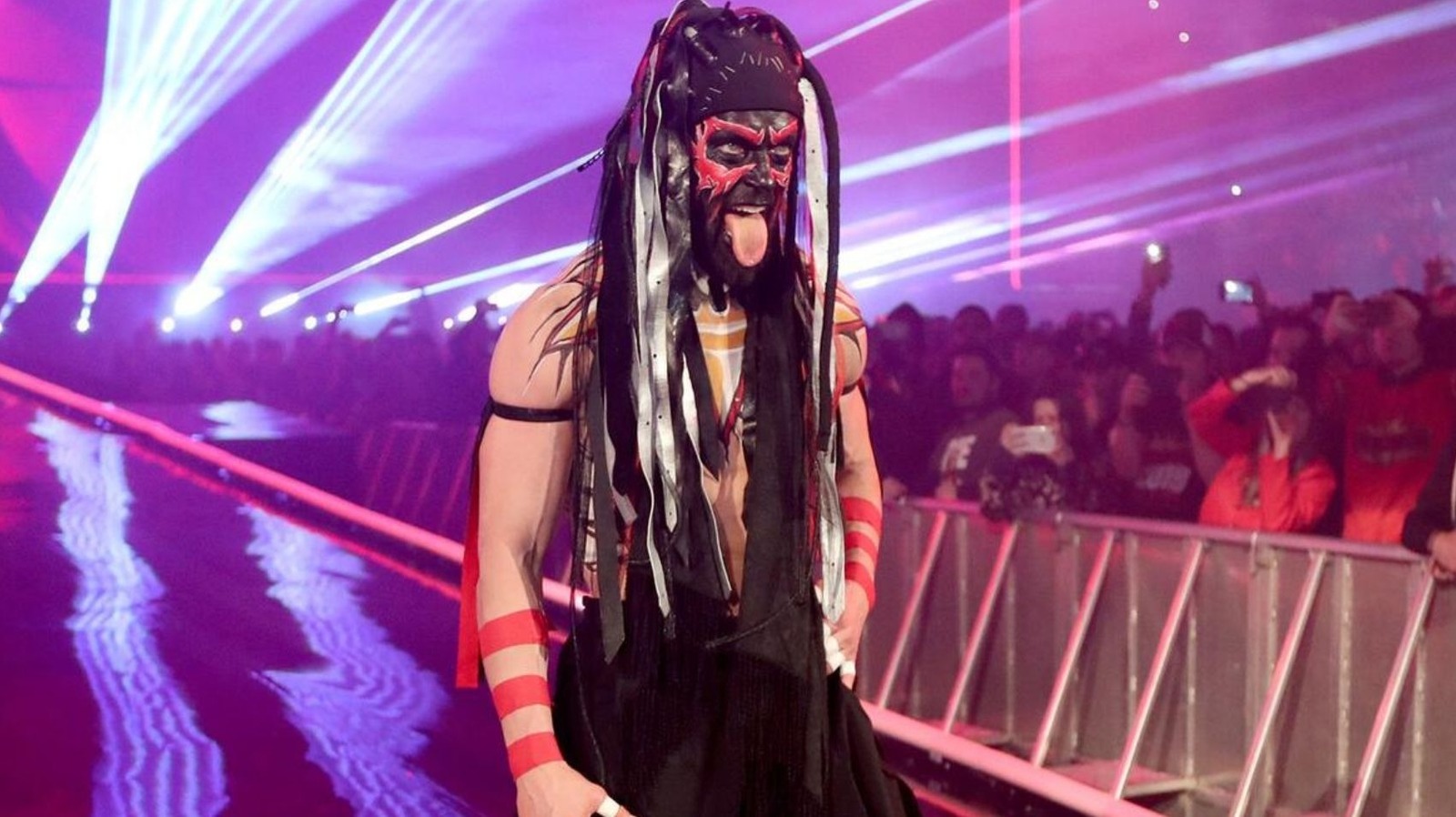
Finn Balor recently detailed a significant medical crisis stemming from his appearance at the WWE Super Showdown event in Saudi Arabia. Following a high-intensity bout against Andrade, Balor suffered temporary blindness caused by the application of his 'Demon' persona body paint.
Reports confirm that the cosmetic materials used for the transformation seeped into Balor's eyes during the contest. The physiological stress of the match, including heavy sweat production and physical impact, accelerated the migration of the substances. This resulted in an immediate, functional loss of sight that persisted long after the final bell rang in the arena.
The mechanics of the injury
Body paint in professional wrestling is often treated as a standard cosmetic choice by audiences, but the clinical reality is vastly different. The chemicals required to create opaque, durable designs on skin—especially for extended durations like a main card match—are not designed to be biocompatible with ocular tissue.
When a performer engages in high-impact maneuvers, the integrity of the paint barrier is compromised. In Balor's case, the heat of the venue and the accumulation of perspiration created a toxic slurry that channeled directly into his eyes. This is not the first instance of cosmetic interference in a match, but the severity of total temporary vision loss elevates the risk profile significantly for future appearances.
Historical precedent and industry risks
Wrestling history is littered with injuries caused by external agents, though rarely ones self-applied by the performer. While performers often focus on structural joint stabilization or concussion protocols, the impact of stage aesthetics on medical safety is frequently overlooked by creative staffs.
Previous incidents involving synthetic materials usually pertain to ring attire failure or prop malfunctions. Balor’s experience serves as a grim reminder that top-tier production values can occasionally override basic safety standards. By opting for a complete aesthetic overhaul, the performer creates a series of variables that the medical team cannot adequately control or predict once the match begins.
Booking and strategic fallout
The booking of 'Demon' Balor has always been framed as a tactical advantage to signal a higher level of intensity and threat. However, if the aesthetic process blinds the talent, the logistical cost of the gimmick outweighs the narrative payoff. Expect WWE medical staff to implement stricter vetting processes for all makeup and body coatings moving forward.
Performance quality is directly tied to a wrestler's ability to see their opponent. A blind athlete cannot properly protect their partner, turning a standard exchange of maneuvers into a liability. If management continues to push for elaborate visual personas, they must invest in medical-grade cosmetic experts to ensure the paint remains fixed through the duration of a 20-minute bout.
Clinical outlook and recovery
Balor has since recovered, but the incident highlights a glaring oversight in the preparation phase. There was no immediate mention of long-term ocular damage, suggesting the incident was resolved through aggressive irrigation and clinical observation post-match.
Failure to account for simple chemistry in the pursuit of visual spectacle represents a lapse in professional oversight. While fans appreciate the unique presentation, the industry needs to reconcile the drive for sensory impact with the basic biological needs of the performers in the ring. Booking cycles should not require wrestlers to compromise their primary senses for the sake of the entrance theme.