The move to Nevada changes everything
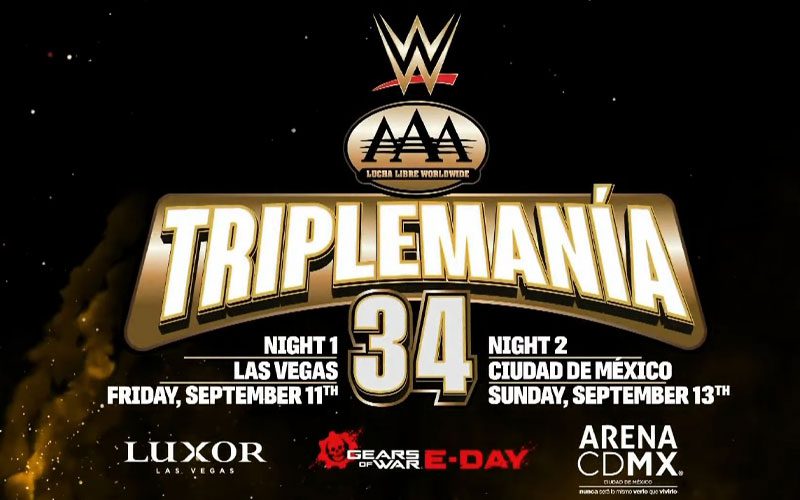
AAA is taking their flagship event across the border. TripleMania Night One lands in Las Vegas, a seismic shift from the traditional venues in Mexico City or Monterrey. While the spectacle of Lucha Libre is undeniable, the move raises immediate concerns about the environment. Can the high-flying, technical work rate translate to a crowd expecting a different rhythm of combat?
We have seen AAA TripleMania Night One to be held in Las Vegas as the confirmed landing spot. This isn't just another show in a secondary market. This is an attempt to capture a broader audience during a summer already crowded with major sporting events. With the World Cup kicking off in less than two weeks, the competition for eyeballs in the North American market is fierce.
The depth of the roster vs the arena scale
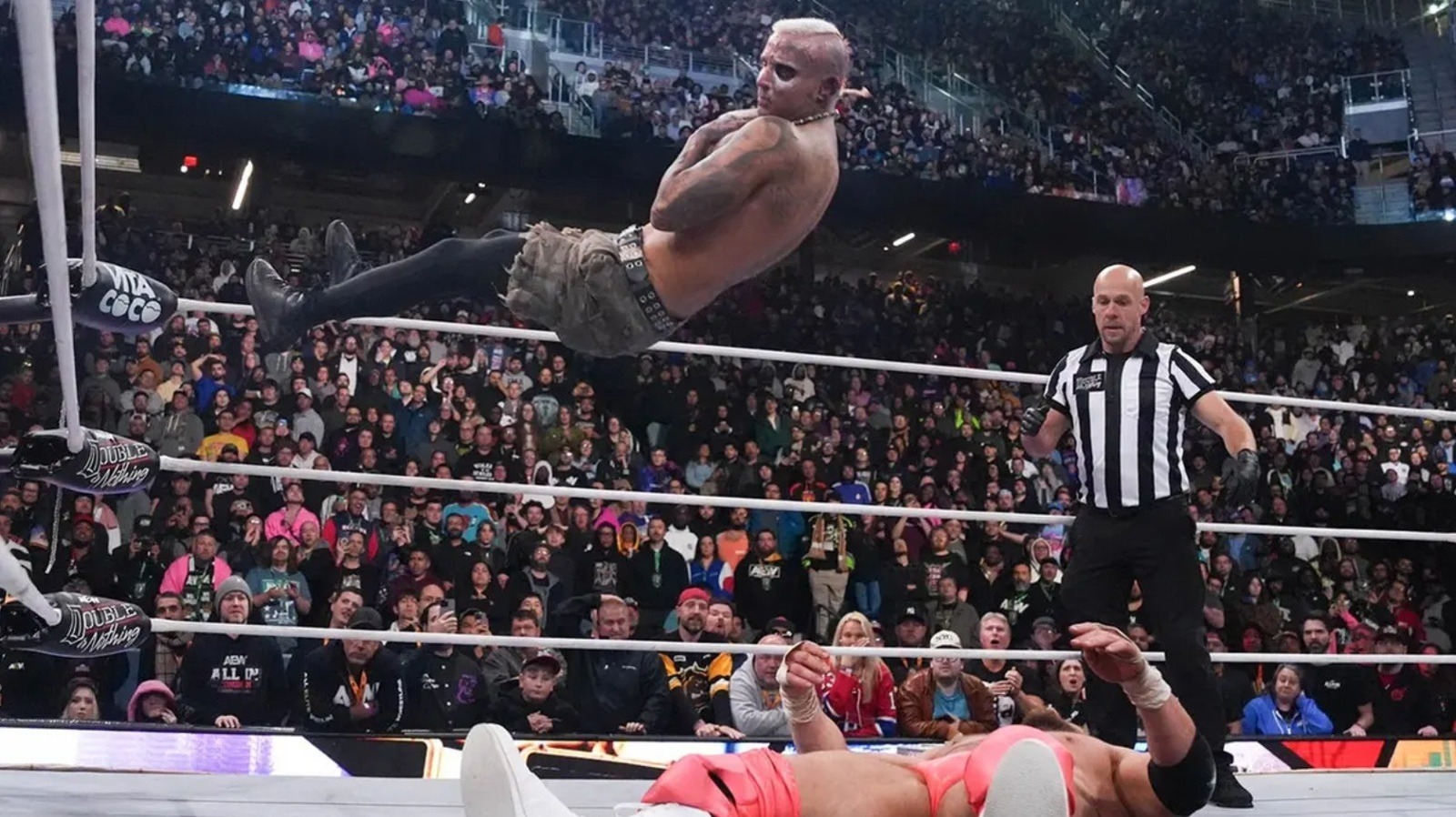
TripleMania is historically defined by marathon cards and wild, multi-man tag bouts known as atomicos. These matches rely on rapid-fire sequences and high-risk maneuvers off the ropes. Fitting this style into a major Vegas venue requires flawless production timing. If the transitions are sluggish, the energy in the building will evaporate before the main event tag titles are even on the line.
Technical analysts look at the card balance differently than casual observers. The reliance on spectacle often masks the lack of long-term narrative tension in the mid-card. There is a risk that AAA lean too heavily on legacy stars to bridge the gap for a US audience instead of pushing the younger talent currently sharpening their craft in the smaller promotions across Mexico. Relying on nostalgia in a foreign market is a defensive move, not an offensive one.
What the stats say about the risk
Historically, Lucha shows outside of traditional strongholds encounter issues with pacing. The fan crossover from mainstream US wrestling to Lucha is smaller than promoters believe. If the show runs over 4 hours, expect a significant drop off in engagement. Lucha Libre at its best is a sprint, not a marathon, yet the show format usually forces a different pace.
The scheduling is the biggest hurdle. By choosing a location like Vegas just before the FIFA World Cup, management is betting that the local tourism surge will cover the gap if the domestic Mexican fanbase doesn't travel in force. It is a gamble. Vegas audiences are notoriously temperamental when the card lacks name-brand recognition they recognize from televised US programming.
Final ringside prediction
The event will deliver on individual athletic performance, but the overall presentation is primed to feel disjointed. I expect the crowd response to be polarized. The die-hards will love the high spots, but the casual Vegas walk-ups will struggle with the chaotic rules common to tag team matches. They will likely stick to the established stars, leaving the younger talent fighting for attention in an cavernous arena.
I will own this take: Look for a match quality rating near 4.25 stars for the headline bout, but do not be surprised if the crowd heat is inconsistent throughout the undercard. They are banking on a massive spectacle to overcome the structural flaws of their booking model. They have the talent, but the logistics of this move could easily expose their limitations.