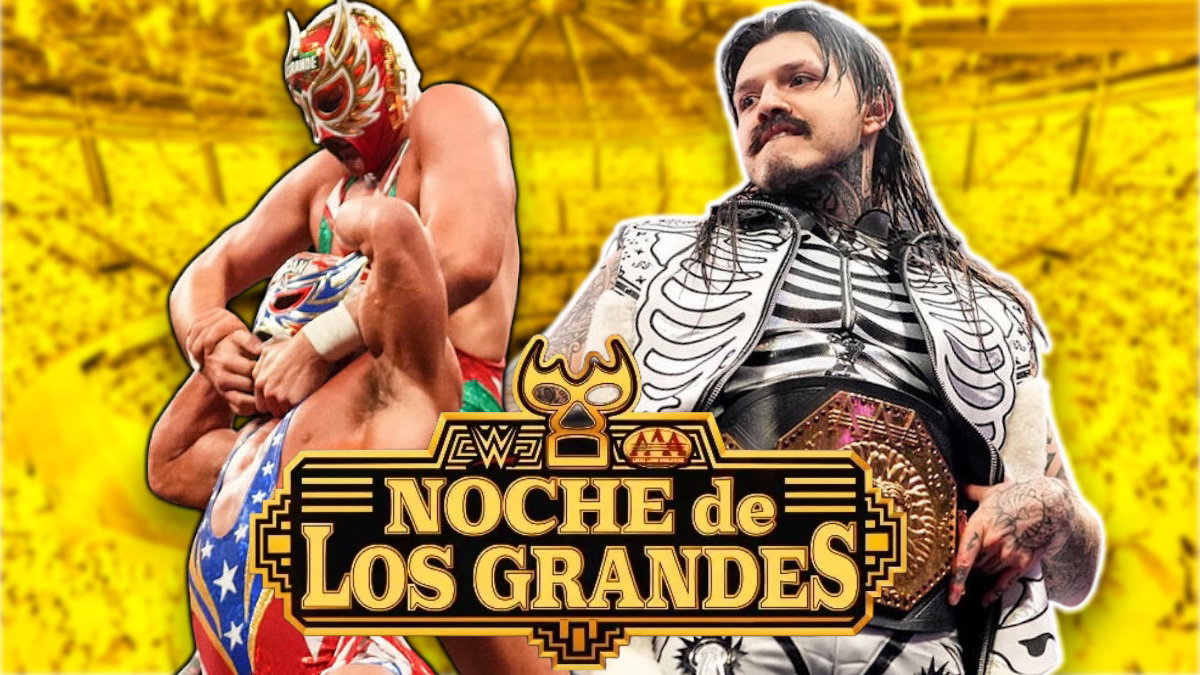
AAA Noche de Los Grandes suffers from a chaotic, uneven card structure
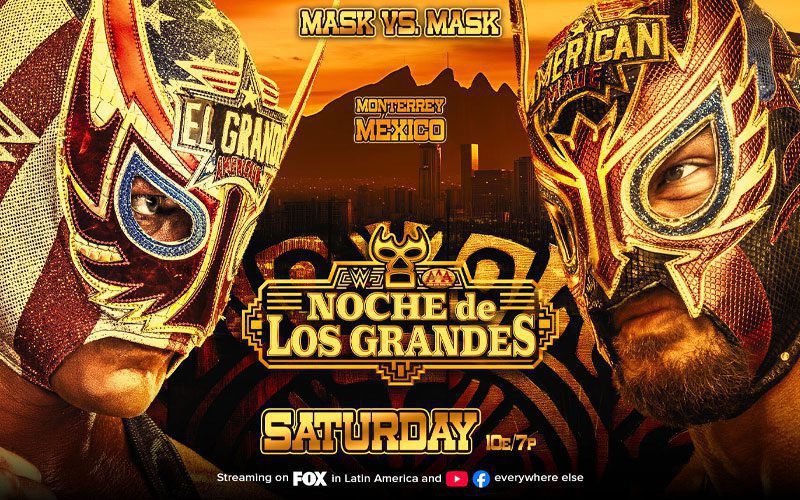
Monterrey exposed the limitations of AAA’s current booking
The events at Arena Monterrey on May 30, 2026, for Noche de Los Grandes offered a sharp contrast to the deliberate, if occasionally sluggish, pacing observed in neighboring promotions. While the WWE digital output continues to find success by mining historical archives, AAA is currently banking on an aggressive, high-velocity approach that often undermines the stakes of its own championship bouts.
The card prioritized spectacle over structure. In a vacuum, the match quality remained high, but the transition between bouts lacked the narrative breathing room required to make a championship change feel significant. When championship frequency remains this high, the belt becomes a prop rather than a reward for a sustained storyline arc.
The pacing disconnect in Arena Monterrey
Watching the flow of Noche de Los Grandes, it became evident that the promotion is struggling to balance its high-octane luchadores with the need for a cohesive show progression. Much like the recent critiques of CMLL, where technical prowess was dampened by a lack of urgency, AAA has arguably swung too far in the opposite direction. It is a frantic race to the finish that leaves little room for the audience to digest the athletic feats occurring in the ring.
The execution of key spots often felt hurried. High-impact maneuvers, typically reserved for the climax of a deep, psychological struggle, were deployed early and with diminishing marginal returns. From a tactical standpoint, this reduces the tension in the final 10 minutes of the main event slots, as the audience has already adjusted to a baseline of extreme physical danger.
The statistical reality of the mid-card
A closer look at the timing of the card reveals the issue. Multiple high-stakes matches were squeezed into back-to-back segments with minimal cooling-off periods behind the curtain. When you compress three consecutive title bouts without mid-card buffer matches or narrative downtime, you strip the weight from the main event.
We saw technical sequences executed with precision, yet the emotional resonance never moved beyond the initial impact. A 15-minute match should build toward a crescendo; instead, the Monterrey card felt like four four-minute bursts of energy stitched together with quick, perfunctory transitions. The result is a viewer experience that feels exhausted by the time the bell rings for the final encounter.
A pattern of diminishing returns
The promotion must reckon with the choice between quantity and quality. While the capacity crowd in Monterrey brought the necessary energy, the booking staff failed to match that intensity with a logical hierarchy. When championships trade hands—or are defended—with this frequency, the championship identity loses its status as the peak of the pyramid.
Technical skill in Monterrey was not the issue. The athletes performed their roles with the expected level of risk, but that risk is wasted if the booking context renders it forgettable. AAA acts as if every match must be a show-stealing event, which naturally leads to a scenario where no single match succeeds in stealing the show.
This is a broader trend within the Mexican wrestling scene, where the reliance on high-speed exchanges occasionally masks a vacuum of storytelling. If we compare this to the slow-burn approach seen in other global markets, it is clear that AAA is operating at a 90 percent intensity level from the opening bell. It is unsustainable for the wrestlers' health and, more importantly for the bottom line, it creates a fatigue ceiling for the audience.
To fix this, the promotion needs to embrace the value of a slower pace. The crowd does not need to be perpetually stunned to be entertained. By introducing more variation in the tempo of the show and allowing the audience to regroup between feature bouts, the championship matches would actually gain the gravity that currently eludes them.
WWE Cody Rhodes American Nightmare Claim Your Kingdom T-Shirt
Finish your story with the official tee of the American Nightmare.
Frequently Asked Questions
What created the pacing issues at AAA Noche de Los Grandes?
Why did championship matches feel less significant in Monterrey?
How does AAA’s booking approach impact match intensity?
When did the AAA Noche de Los Grandes event take place?
How did the event structure affect the viewer experience?
More Coverage

Top 10: Defining Moments in Modern Professional Wrestling
a minute agoAAA’s Verano de Escandalo is a beautiful mess we can’t look away from
an hour agoAAA’s Verano de Escandalo card is a chaotic fever dream
an hour agoAAA's TripleMania teasing creates massive waves for potential AEW crossover
2 hours ago
WWE’s Saturday Night strategy needs a rethink
7 hours ago
Strategy gaps heading into a triple-title AEW Collision
8 hours agoMore Analysis
AAA takes a massive gamble with Noche de los Grandes
1 month, 2 weeks ago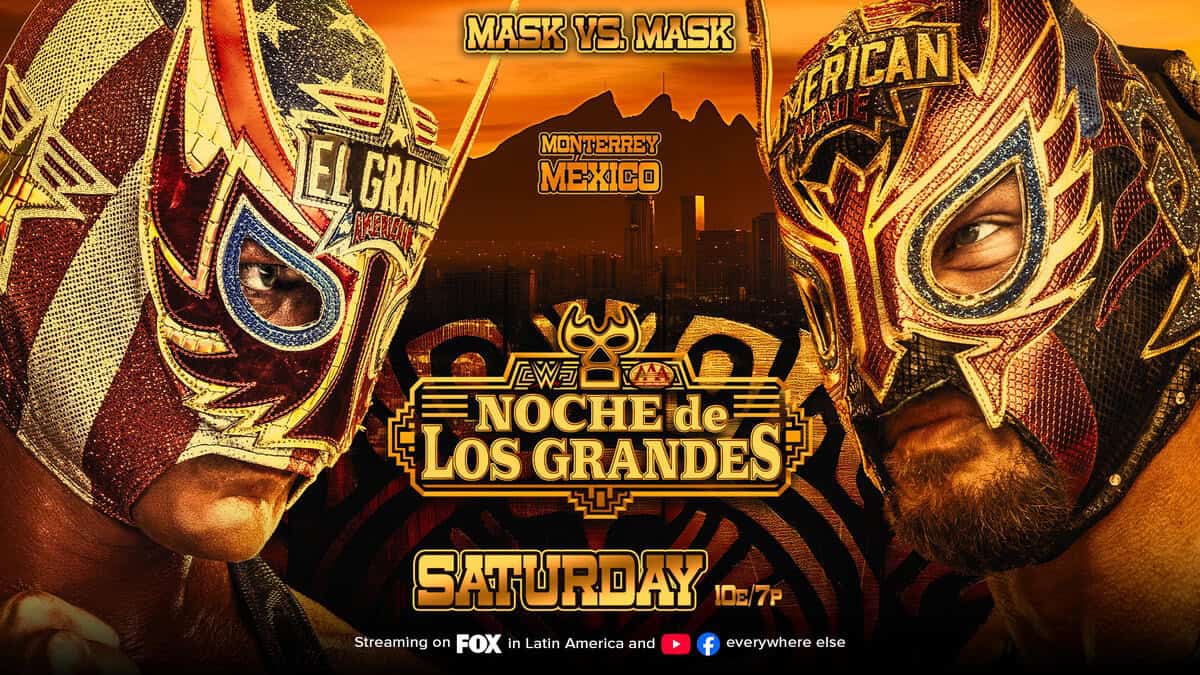
AAA Noche De Los Grandes demands a higher standard from the promotion
1 month, 2 weeks agoAAA's Noche de los Grandes just broke the internet for all the wrong reasons
1 month, 1 week agoAAA is hitting a wall with its current booking strategy
6 days, 6 hours agoAAA Lucha Libre is hitting turbulence before the big show
3 months, 2 weeks ago