Measuring Triplemanía's North American expansion
AAA is positioning its flagship production, Triplemanía, to capture the United States market by moving the first night of the 34th iteration to Las Vegas. The financial logic here relies on a shift from regional Mexican engagement to an international draw. Historically, the promotion has operated within a 4,000 to 10,000 capacity range for domestic events, but a foray into Nevada suggests an ambition to scale toward 15,000 plus for high-tier gate revenue.
Defining the venue strategy
Las Vegas remains a high-variance location. While the tourist demographic provides a potential floor for ticket sales, the operational costs for an international production are drastically higher than in Mexico City or Monterrey. Moving to a two-night format allows AAA to amortize fixed infrastructure costs over two shows. If they manage a 75% seat fill rate across both nights, the event will net a higher margin than a single sold-out show in a smaller domestic venue.
The booking reality check
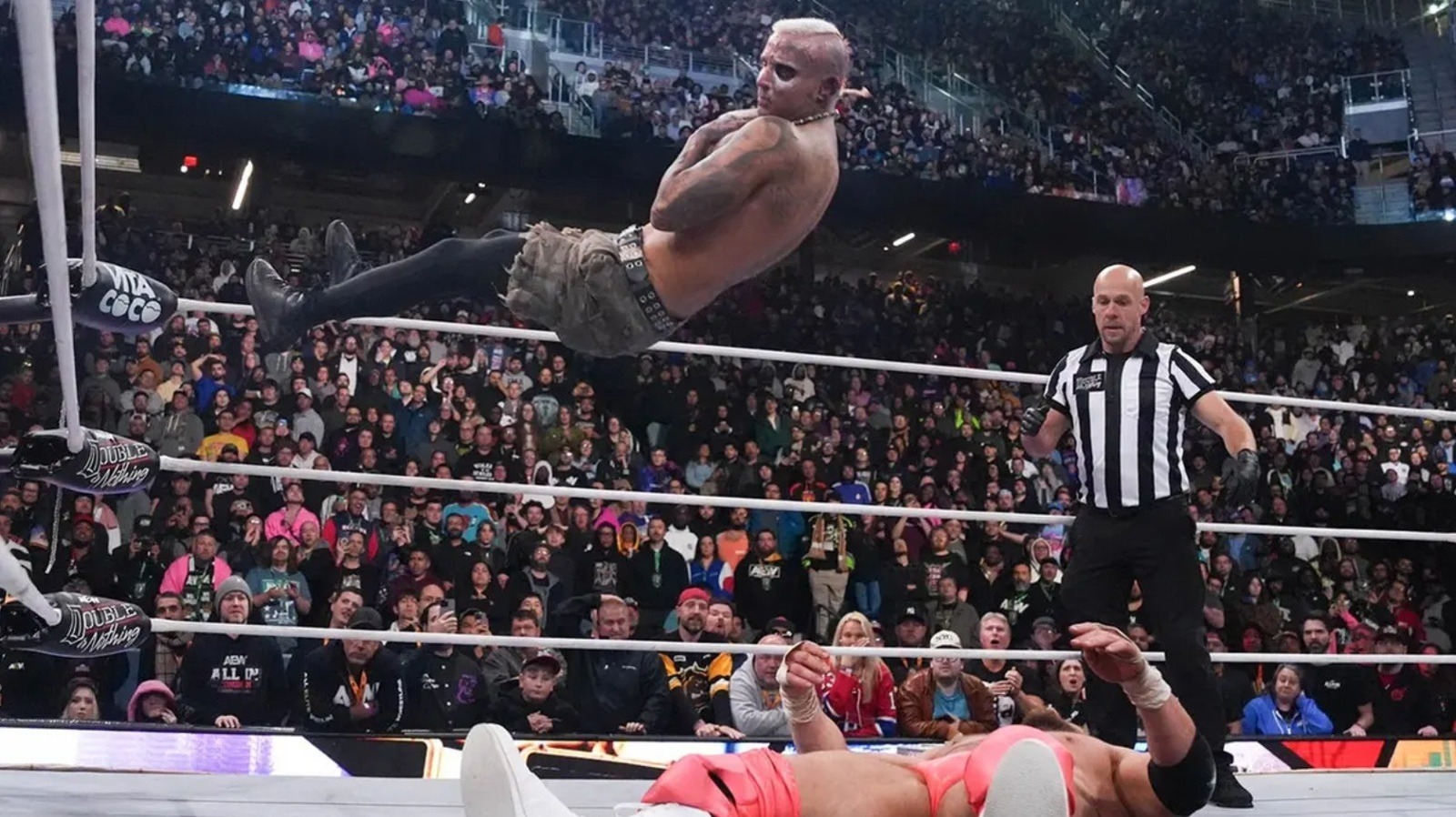
Booking a two-night event is a risk for a roster that relies heavily on high-flying, calorie-burning spots. AAA’s performers typically execute at a high frequency of maneuvers per minute, often exceeding 8.5 spots before the 12-minute mark. Maintaining that intensity across two consecutive nights in a major market will require disciplined rest cycles and strategic pacing. A lack of high-level rotation could lead to diminishing returns by the second evening of matches.
AAA is taking its biggest event of the year to Las Vegas.
The transition to Las Vegas for Triplemanía 34 signals a hard pivot toward the North American sports entertainment model. Success is not guaranteed. If the card depth fails to move the needle on pay-per-view buy rates, the promotion will face a shortfall during the 2026 fiscal cycle. The reliance on the first night of Noches de Los Grandes as a launchpad for this globalized strategy reflects a bold attempt to capture 10% to 15% more total engagement than previous standalone stadium shows in Mexico.
Calculating the risk of fatigue
Analysis of previous multi-night events indicates a 12% drop in high-spot intensity during second-night closing matches compared to opening nights. Managing this burnout is the primary challenge for the creative team. If the pacing from the 9-minute mark does not throttle down, the overall match quality will likely suffer. This move is a calculated gamble that the production value can overcome the physiological wear on the roster.