Chaos on SmackDown: Why the Women's Tag Division is spiraling out of control

A Title Match That Ended in Absolute Bedlam
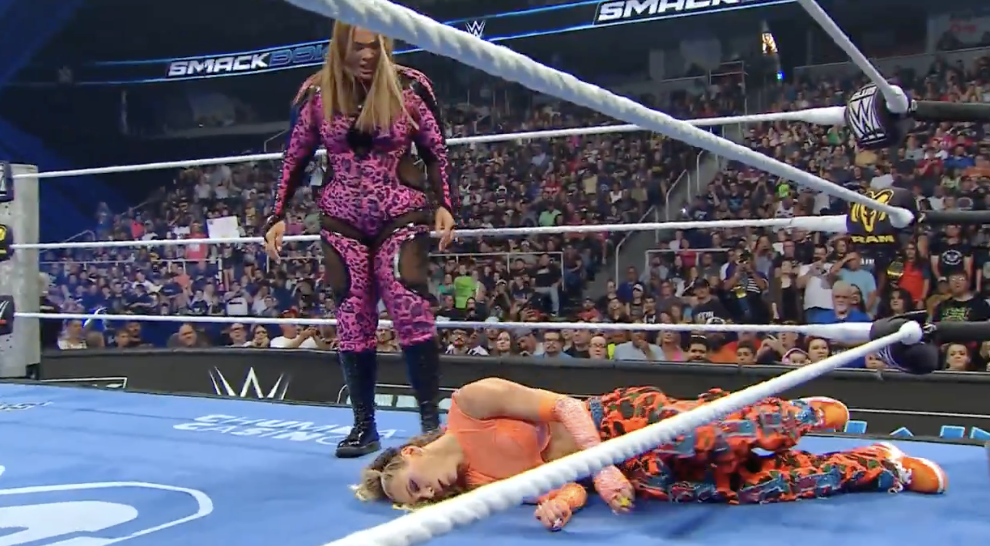
The landscape of the WWE women's tag team division shifted on its axis this past Friday night, but not in the way anyone anticipated. What was billed as a technical showcase for the WWE Women’s Tag Team Championship descended into a chaotic, visceral display of violence that left the officials helpless and the audience stunned. It wasn’t a classic wrestling clinic, but it was a masterclass in narrative tension.
As the bell rang, the atmosphere in the arena felt heavy. The challengers were hungry, the champions were defensive, and the referee was seemingly the only person in the building who expected a clean contest. We didn't get one. Instead, we got a glimpse into the darker side of the locker room, where the stakes of gold outweigh the sanctity of the rules.
The Turning Point: When Discipline Dissolved
For the first ten minutes, the match followed a familiar cadence. We saw crisp tags, strategic isolation of the cornered competitor, and the kind of high-percentage offense that wins matches on SmackDown. However, the momentum shifted when the illegal interference began to bleed from the periphery into the center of the ring. It started with a subtle tug of the tights—the kind of veteran move that usually goes unpunished—but it quickly escalated.
The turning point wasn't a specific move, but a moment of sheer frustration. When the challenger attempted a finishing sequence that had been scouted perfectly, the champions opted for a shortcut rather than a counter. A steel chair, illicitly introduced, became the focal point of the final act. The referee had little choice but to call for the bell, but the disqualification was merely the beginning of the carnage.
The disqualification isn't just a result; it's a statement. It tells the audience that these athletes are no longer interested in winning titles—they are interested in breaking spirits.
Analyzing the Fallout
Why resort to a disqualification finish in a high-profile title match? In the modern era of WWE, the DQ is often criticized as a lazy booking trope. However, when executed correctly, it serves as a necessary pressure valve. It protects the challengers from a clean loss while simultaneously fueling a deeper, more personal animosity between the two teams.
The post-match assault was the real story of the night. By refusing to let go of the submission hold even after the match was officially waved off, the champions signaled a shift in their character trajectory. They aren't just protecting their gold; they are looking to cement their legacy through intimidation. It is a classic heel tactic, but it feels fresh when the technical prowess of the participants is this high.
The Standout Performers
While the match ended in a technicality, the individual performances were stellar. Bianca Belair—or whoever stepped into that spotlight—showed a level of intensity that we haven't seen since her move to the blue brand. Her agility remains unmatched, but it was her selling of the post-match beatdown that really sold the story to the fans in the cheap seats.
On the other side of the ledger, the champions displayed a cold, calculated efficiency. Their tag-team synergy is arguably the best it has been in years. They don't just move in tandem; they think in tandem. Their decision to sacrifice a clean win for a psychological victory shows a level of maturity in their characters that is rare in today's landscape.
What Comes Next for the Tag Division?
The fallout from this SmackDown main event creates a fascinating bottleneck for the division. We are left with several burning questions as we look toward the next premium live event:
- Will the championship committee enforce a rematch under No Disqualification rules?
- Can the challengers recover their momentum after such a humiliating physical display?
- Is there a third team waiting in the wings to capitalize on this internal friction?
The division is currently in a state of flux. While the belts haven't changed hands, the power dynamic has shifted irrevocably. The champions might hold the gold, but they have lost the moral high ground—a trade-off they seem perfectly comfortable making. It’s a dangerous game they’re playing, and the fans are the ones reaping the rewards.
Final Thoughts on the State of Play
We often talk about the importance of 'heat' in professional wrestling. This match provided it in abundance. By ending the contest in a disqualification, the writers have effectively guaranteed that the fans will be clamoring for a definitive conclusion. It is a classic bait-and-switch that keeps the narrative engine running at full throttle.
Watching the women's division evolve over the last six months has been one of the highlights of the WWE calendar. The matches are longer, the stakes feel more personal, and the talent is being given the space to tell complex stories. Even when a match ends in chaos, it feels like a deliberate step toward an inevitable, high-stakes collision. If this is the direction the company is heading, we are in for a very volatile and entertaining spring.
WWE Elite Series 110 - Roman Reigns
Acknowledge the Tribal Chief with this premium Elite figure.
Frequently Asked Questions
Why did the WWE Women's Tag Team Championship match end in a disqualification?
What happened after the referee called for the disqualification?
How does a disqualification finish impact the women's tag team division?
What does the recent violence suggest about the champions' current goals?
How did the match progress before the interference began?
More Coverage
Smackdown's booking is becoming a repetitive struggle
4 hours agoWhen Ozzy wasn't looking: The weirdest wrestling crossover of the year
8 hours ago
AEW Redemption moves toward a high-stakes turning point
8 hours ago
AJ Styles is reflecting on his legacy while others look elsewhere
8 hours ago
Ethan Page is playing a dangerous game with his ego in NXT
8 hours ago
Ethan Page says his custom NXT title was the real top prize and fans are split
8 hours agoMore Match Reports

The Bella Twins return to the ring leaves more questions than answers
3 months, 4 weeks ago
WWE’s Tag Title booking is currently an unmitigated disaster
3 months, 2 weeks ago
SmackDown is stalling and the road to SummerSlam looks messy
2 days, 8 hours agoSmackDown is becoming a cycle of diminishing returns
2 days, 5 hours ago
SmackDown’s new era is built on chaos and it’s finally working
3 months, 4 weeks ago