Measuring corporate crossover efficiency
In the lead up to our current events, WWE has made a curious move to place a branded stock car into the Food City 500. This attempt to capture overlap between wrestling fans and NASCAR enthusiasts is a calculation of reach versus return. Marketing teams are betting that the intersectionality of these fanbases is higher than the historical 12 percent overlap often cited in media demographics.
Cross-promotion between motorsports and professional wrestling is not new, but modern execution relies on digital inventory and physical spectacle rather than legacy television buys. The cost of a custom paint scheme and track activation typically runs into the six-figure range. The objective remains clear: converting a casual viewer who is watching the race into a buyer for upcoming pay-per-view events.
The infrastructure of spectacle
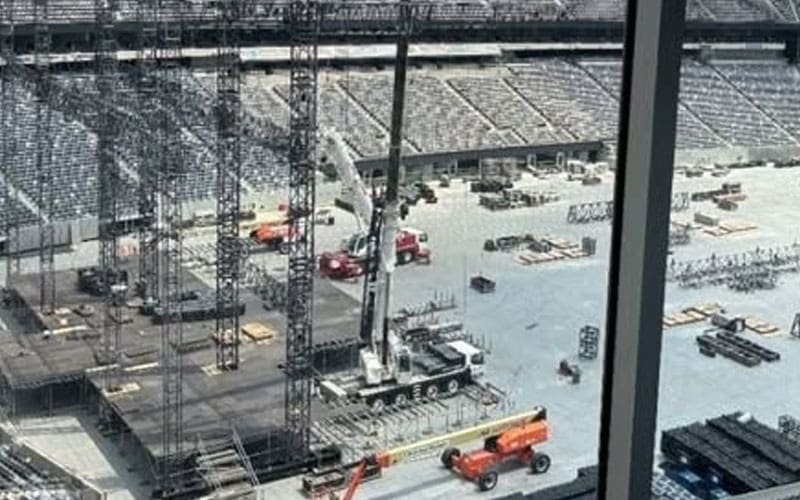
Physical set construction for mega-events has accelerated significantly over the last three years. Where companies once spent 14 days on site installation, new modular technologies have compressed this timeframe. Production teams are now aiming to finalize complete stage setups in under 96 hours of active labor. This efficiency is necessary given the high daily rate of stadium rentals, which can fluctuate by as much as 25 percent depending on the venue location and local tax incentives.
Analyzing the logistical overhead
The logistics behind moving thousands of pounds of steel and LEDs are a massive drain on the bottom line. Reducing setup time from two weeks down to four days saves a production budget approximately $450,000 in staffing costs alone. Every minute of reduction in installation time represents a higher margin per venue entry. This is the industrial logic behind the rapid shifts in how arenas are managed since 2024.
The strategy is less about the car itself and more about how much shelf space we can occupy in a fan's awareness over a weekend.
Criticism of these tactics focuses on the diminishing returns of hyper-branded crossovers. While the visual of a WWE-themed car is striking, data on conversion rates suggests that these efforts rarely move the needle on subscriber metrics in the immediate term. We are seeing a trend where physical brand presence is prioritized over direct-to-consumer acquisition. Wrestling in 2026 is fighting to stay visible in an increasingly fragmented attention economy, even if that means borrowing the track surface of another sport to keep the buzz alive.