The vertical video nightmare we didn't ask for
Pull up a chair and keep your drink handy for this one, because the wrestling world has collectively lost its damn mind since the July 14, 2026 announcement. WWE is officially diving into the vertical video abyss with a microdrama series on the ReelShort app. For the uninitiated, this is basically the cinematic equivalent of doom-scrolling, and now, it features the likes of Drew McIntyre, Joe Hendry, and Jacob Fatu.
We are entering an era of 90-second narratives where the storytelling bar is subterranean, and fans on forums are absolutely eating each other alive over it. You have the defenders calling it a stroke of marketing genius for the Gen Alpha demographic, while others are convinced the sky is falling because they think high-art professional wrestling is being reduced to cheap mobile bait.
The enthusiasts: Chasing the algorithm
There is a specific contingent of the fanbase that thinks this makes absolute sense. Their argument? WWE has already conquered every traditional screen in our homes, so why not go where the eyeballs are rotting? One user on a popular wrestling subreddit noted that if Joe Hendry acts in a 60-second melodrama, he is literally going to meme his way into a broader audience that doesn't own a cable subscription.
It is a bold take, but not entirely off the rails. If the goal is to drive search traffic back to Raw or SmackDown, using your most charismatic guys to play out absurdity in portrait mode is arguably brilliant. Personally, if I get to see Jacob Fatu doing a soap opera-style backhand slap in a vertical frame, I might just be entertained despite the cringe factor setting in at the 15-second mark.
The skeptics: Where the quality goes to die
Then you have the purists. These are the folks who remember when wrestling was about actual ring psychology and not chasing a TikTok trend that will be dead by October. They argue that this waters down the product. There is a genuine fear that spending time in a scripted, microdrama setting takes away from the grit they actually pay for.
One commenter on Twitter made a point that hit home: when wrestlers start doing prestige roles in vertical formats, the kayfabe line gets blurrier than a drunk fan trying to find the bathroom after a main event. If Drew McIntyre is forced to play a brooding lover in a mobile short, does that make his eventual Claymore kick on Seth Rollins feel less like a competitive fight and more like an episode of a daytime soap?
The contrarians and the reality check
Naturally, there are the folks who just want to watch the world burn. They think it's hilarious. They aren't looking for deep analysis; they are looking for the absolute funniest, most unhinged content possible. To them, this is just another ridiculous chapter in the long, weird history of professional wrestling.
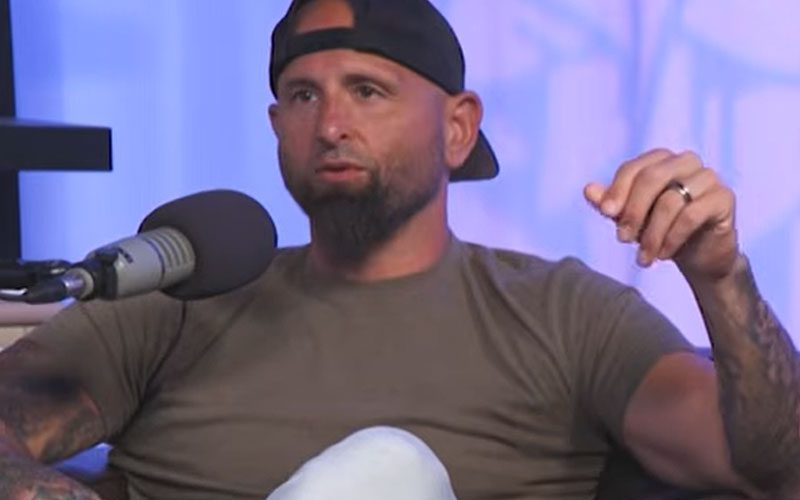
Let’s be real here: the skepticism holds more weight than the hype. We have seen these cross-media experiments fail before. WWE has a history of trying to force pop culture relevance where none exists. Just look at how The Good Brothers were sidelined when they didn't fit the immediate, shifting creative vision of the company. When you start focusing on micro-content, you risk alienating the hardcore crowd for a fleeting viral moment that won't actually sustain your television ratings.
The state of the locker room
What makes this even dicier is the current state of talent movement. We are talking about guys like Penta, currently holding the Intercontinental title, who is actively talking about a reunion with Fenix. You have a premium roster that is in constant flux, and now management wants them to step away from the ring to film for an app that basically distributes digital junk food.
I personally think the risk is high. When you dilute the product, you dilute the value of the performers. As Penta noted in his recent interview, the focus should be on the craft and the inevitable reunions that bring the fans back to the arena. Creating a professional wrestling brand is hard enough without pivoting to scripts that are written for people with the attention span of a goldfish.
If the company treats this as a side project rather than a cornerstone of their content strategy, it might just be the flavor of the month. If they double down, expect more backlash. The internet is already sharpening its knives, and frankly, I don't blame them. Sometimes you have to wonder if, in the race to be everywhere, WWE is forgetting to be good at the one thing that actually matters: the bell-to-bell action.