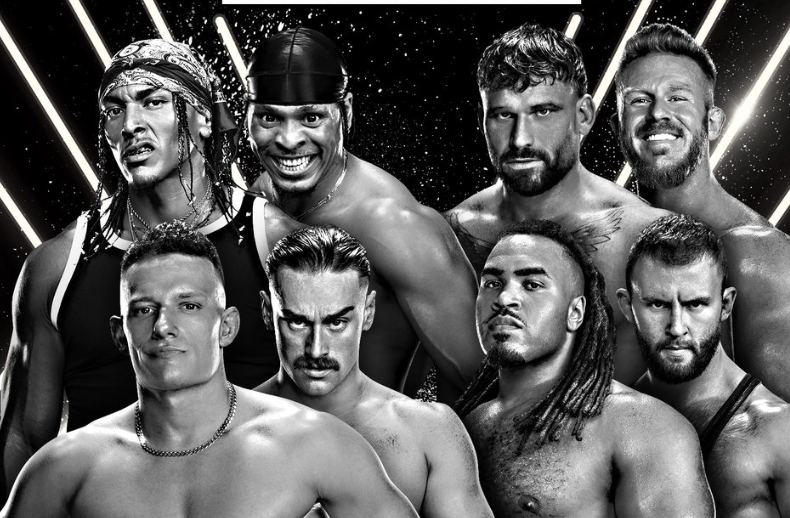
Roman Reigns' June absence is a calculated reset, not a crisis
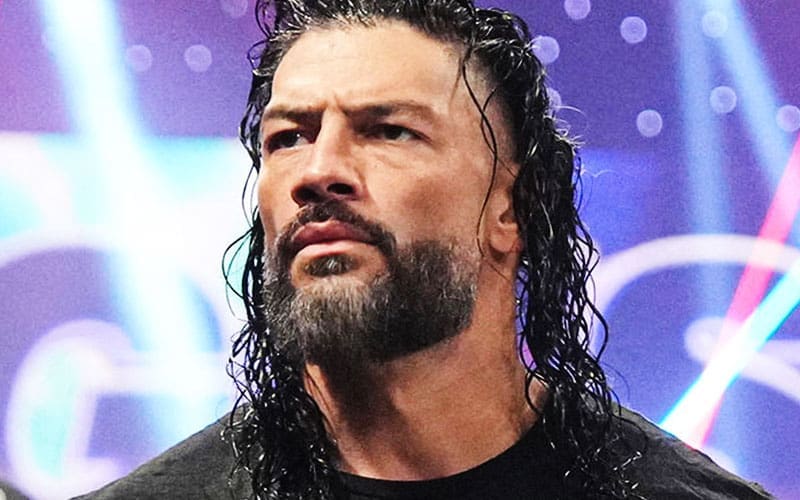
The calculated cost of absence
The news broke quietly over the weekend, buried beneath the fallout of the European tour and the looming shadow of WWE Backlash. Roman Reigns has been officially pulled from all advertised television dates for the month of June. The initial reaction across social media was predictable panic. Fans immediately speculated about injuries, contract disputes, and Hollywood commitments.
According to reports from Ringside News, the reason is far more strategic. This isn't a crisis. It is a calculated breather designed to reset the board ahead of the summer run. We have reached a point where Reigns operates on a different plane of existence from the rest of the roster.
He is no longer a professional wrestler in the traditional weekly sense. He is a seasonal attraction. Taking him off the board in June is the smartest creative decision Paul Levesque could make. When you feature a character as dominant and omnipresent as the Tribal Chief, fatigue becomes your biggest enemy.
We saw the cracks showing during the build to WrestleMania 41 in Las Vegas last month. The twenty-minute opening monologues were beginning to feel less like required viewing and more like contractual obligations. The pauses grew longer. The substance grew thinner.
The SmackDown vacuum
There is an undeniable downside to this strategy. When Reigns is absent, Friday nights often feel rudderless. This is the structural flaw in WWE's current booking model. They have built an entire brand around a sun that only occasionally shines.
Take away the main character, and the supporting cast is forced to carry the weight. Solo Sikoa has improved dramatically as an enforcer, but asking him to anchor a two-hour television broadcast is setting him up for failure. He lacks the verbal dexterity to control a live crowd.
When Sikoa stands in the center of the ring without Reigns behind him, the silent menace suddenly feels like empty space. This is where WWE's creative team must take the blame. They have relied so heavily on the Bloodline melodrama that they forgot to build sturdy secondary frameworks.
When Reigns takes a month off, the show defaults to repetitive backstage segments. We get endless scenes of Jimmy Uso looking conflicted or Paul Heyman staring nervously at his phone. It is lazy television.
If you know your biggest star is working a reduced schedule, you have to write compelling television for the weeks he is gone. Instead, WWE often treats these episodes as holding patterns. They tread water until the music hits and the real business resumes. SmackDown's ratings often dip by roughly 150,000 viewers when he is entirely absent from the broadcast.
The scarcity principle in practice
Despite the television flaws, the macro strategy is sound. Wrestling history is littered with acts that burned too brightly and burned out. The Attitude Era was a bonfire of television ratings, but it consumed its stars at a terrifying rate. Stone Cold Steve Austin's peak was blinding, but his physical prime barely lasted five years.
Reigns is playing a different game. By limiting his exposure, he artificially inflates his value. Every time he walks through the curtain, it feels like an event. You don't get that feeling if he is wrestling thirty-minute bangers against midcarders on random television tapings in Omaha.
Look at the numbers. When Reigns wrestles, the premium live event buy rates jump. His matches are constructed entirely around anticipation. The bell rings, and he spends the first three minutes just walking around the ring, soaking in the noise.
He dictates the tempo. He works a slow, psychological style that relies on facial expressions and trash talk. You cannot do that every Friday night. If you try, the audience gets bored.
The magic trick only works if you perform it a few times a year. Pulling him from the June schedule ensures that when he returns in July to build toward SummerSlam, the audience will be starved for his presence.
Tactical match pacing
When we examine Reigns' actual in-ring output over the last three years, the data tells a fascinating story. He has essentially abandoned the high-workrate, back-and-forth style that defines the modern main event scene. Instead, he has constructed a deliberate, almost agonizingly slow formula.
He works the classic southern heel style, updated for the stadium era. He uses headlocks not as rest holds, but as platforms for trash talk. He doesn't chain wrestle. He stalks.
Every spear is preceded by minutes of psychological torture. This style is incredibly effective at generating heat, but it requires a very specific environment. It needs the gravity of a premium live event.
If you put that exact same match structure on a Friday night broadcast, squeezed between commercial breaks and a fast-food sponsorship read, it falls completely flat. The pacing feels wrong. The pauses that seem masterful in a sold-out stadium just look like stalling on television.
Therefore, keeping him off June television isn't just about resting his body. It is about protecting his presentation. His matches are cinematic.
You do not air a cinema-quality epic in five-minute chunks on cable television. You save it for the box office. His absence preserves the illusion that every time he fights, the stakes are life and death.
Breaking down the tape
A typical Reigns title defense follows a strict structural blueprint that actively punishes audience impatience. This is not accidental. It is a core feature of his ring psychology.
- The stall: Reigns spends the first three minutes avoiding physical contact, forcing the crowd to boil over in frustration.
- The shutdown: Whenever the babyface builds momentum, Reigns uses a sudden power move to completely halt the pacing.
- The monologue: He applies a grounded headlock and spends two straight minutes talking trash directly to the hard camera.
- The trap: He allows the challenger a brief flurry of hope before catching them in a guillotine choke, turning their momentum against them.
This formula requires immense discipline. A lesser worker would panic when the crowd starts getting restless. Reigns leans into it. He held the Universal Championship for exactly 1,316 days by mastering this exact rhythm.
He knows that the longer he delays the gratification of his opponent getting offense, the louder the pop will be when the comeback finally happens. You cannot rush that kind of psychology. You certainly cannot execute it on a random episode of SmackDown in June.
Redistributing the wealth
The secondary benefit of this absence is the television time it frees up. The Bloodline segments regularly account for 25 minutes of a two-hour show. That is a massive chunk of real estate.
With Reigns off the board for a month, that time has to go somewhere. This is the window for the midcard to actually develop some texture. LA Knight, Kevin Owens, and AJ Styles desperately need oxygen.
They need segments that aren't just designed to feed them to the Bloodline machine. We saw a glimpse of this during his previous hiatuses. When the main event scene is paused, the Intercontinental and United States championship pictures suddenly feel vital.
The writers are forced to care about the rest of the roster because they no longer have their cheat code. This June break should be viewed as an audition for the next tier of talent.
Who can pop a rating at the top of the hour? Who can hold the audience's attention in the main event slot? Cody Rhodes is carrying the WWE Championship workload beautifully over on Raw, but SmackDown needs a working anchor while its final boss rests.
The physical realities
It is easy to forget the human element in professional wrestling. Reigns has survived leukemia twice. He has carried the company through a global pandemic, a corporate merger, and a massive creative regime change.
The physical and mental toll of that run is unimaginable to anyone outside the industry. Wrestling is a brutal way to make a living. The travel schedule destroys your back. The matches destroy your knees.
By pulling him off the road in June, WWE is protecting its most valuable asset. They are extending his shelf life. If you want Roman Reigns to be a viable main event draw in 2028, you cannot run him into the ground in 2026.
This is the Brock Lesnar model, refined for a new generation. Lesnar proved that you do not need to be on television every week to be the biggest star in the industry. You just need to matter when you show up.
Creative recalibration
The June gap also gives the writing staff time to recalibrate the overarching narrative. The Bloodline story has been the best thing in professional wrestling for years, but it has occasionally suffered from pacing issues.
Taking the focal point away forces the writers to advance the plot in different ways. How do the remaining family members interact without their leader? Who tries to seize power?
The tension of a missing king is often more compelling than the actions of a present one. We saw this dynamic play out beautifully in the past. When Reigns stepped away, the paranoia within the group spiked.
Jey Uso's ascension as a singles star was entirely born out of those periods where he was forced to stand on his own. Now, the spotlight turns to the new configuration of the faction.
The real danger of over-correction
The real danger here lies in the over-correction. When WWE panics about an absent star, their default mechanism is to fill the void with long, rambling promos. We have seen it happen repeatedly.
Instead of giving two rising stars fifteen minutes to have a competitive wrestling match, they will send a faction out to the ring to cut a localized promo that accomplishes absolutely nothing. This is the negative feedback loop of the current SmackDown era.
The writers get lazy. They know they don't have their closer, so they pitch a twenty-minute in-ring talking segment to eat up the first quarter-hour. It is a cynical way to produce television.
It disrespects the audience's time and it disrespects the talent in the back who are begging for an opportunity to perform. If June becomes a month of Solo Sikoa staring silently at the hard camera while Heyman sweats, this experiment will fail miserably.
Historical context and the veteran transition
There is a historical precedent for this kind of schedule transition. We saw it with The Undertaker in the late 2000s, and we saw it with Shawn Michaels during his second run.
Once a performer reaches a certain level of cultural penetration, wrestling matches cease to be athletic contests. They become mythology. The Undertaker didn't need to chokeslam midcarders on SmackDown in 2008 to prove he was a threat.
His mere existence on the roster was enough to cast a shadow over the entire brand. Reigns is stepping into that exact role. He is the specter that haunts the locker room.
This transition is notoriously difficult to pull off. If you step back too far, the audience forgets you. You become a nostalgia act.
The balance requires precise booking. The promotion must constantly reference the absent star, keeping their name in the ether without overexposing their physical presence. WWE has managed this beautifully with Reigns so far, largely because of Paul Heyman.
Heyman acts as the connective tissue. He is the mouthpiece who ensures the Tribal Chief's agenda is felt even when he is thousands of miles away. But with Reigns missing an entire month of television, the burden on Heyman increases exponentially.
Looking toward the summer
Everything in WWE is cyclical. The period between WrestleMania and SummerSlam is traditionally the slowest part of the calendar. The casual fans tune out.
The hardcore fans get restless. It is the perfect time to give your biggest star a break. With WWE Backlash 2026 arriving in just five days, the immediate focus is strictly on the post-WrestleMania rematches.
Once Backlash concludes, the summer stretch begins. When July arrives, the machine will start humming again. The stadium shows will loom on the horizon.
The television ratings will suddenly matter more as the network executives start paying closer attention. That is when you deploy Roman Reigns.
You bring him back in the closing moments of a chaotic SmackDown. You let the music hit. You let the crowd erupt.
The long game
The frustration from fans right now is completely valid. They pay premium prices for tickets to television tapings expecting to see the biggest stars in the industry.
When a talent like Reigns is quietly pulled from the advertising, it feels like a classic bait and switch. The live crowds in June have every right to voice their displeasure.
But professional wrestling is not about satisfying the live crowd on a random Friday in June. It is about the long game. It is about building anticipation, managing physical resources, and delivering the absolute best product on the nights that truly matter.
Pulling Roman Reigns off television is a bitter pill for the weekly viewer. It exposes the thinness of the SmackDown roster and forces the creative team to work without a safety net.
The episodes will inevitably drag at certain points. None of that matters in the grand scheme. What matters is ensuring that the Tribal Chief remains the most compelling, protected, and valuable commodity in the industry.
Silence is a weapon in wrestling. Right now, WWE is just keeping their biggest gun safely stored in the holster.
Read Next
- Roman Reigns is skipping WWE's June schedule and we all know why
- Roman Reigns is already ghosting us and the World Heavyweight Title is cooked
- Roman Reigns skipping June proves WWE hasn't fixed its biggest problem
- Wrestling fans are spinning wild theories about Rikishi leaving KnokX Pro
- 🏆 WrestleMania 41 — Full Coverage Hub
- 💥 WWE Backlash 2026 — Full Coverage Hub
- 👑 Roman Reigns Return 2026 — The Tribal Chief
Ringmaster: Vince McMahon and the Unmaking of America by Abraham Josephine Riesman
The definitive, no-holds-barred biography of the most controversial man in wrest
More Coverage
Top 10: Top Moments
9 hours agoTop 10: The Definitive Ranking of Mid-Summer WWE Moments
14 hours agoWWE Saturday Night's Main Event sets a dangerous precedent at MSG
18 hours agoWhy the Scenic City Invitational is the indie wrestling heart we need
18 hours ago
Roman Reigns and the lonely reality of the Tribal Chief era
20 hours ago
Top 10: Heavyweight Defining Moments of the Modern Era
20 hours agoMore Analysis
Roman Reigns is skipping WWE's June schedule and we all know why
2 months, 2 weeks ago
Roman Reigns' June Disappearance Isn't a Break, It's a Declaration of War
2 months, 2 weeks agoRoman Reigns skipping June proves WWE hasn't fixed its biggest problem
2 months, 2 weeks ago
Roman Reigns is trapped in a creative holding pattern
2 months, 4 weeks ago
Roman Reigns is wrestling’s greatest paradox as WrestleMania 41 nears
3 months ago