The Friday night bloodbath returns
WWE's roster management is currently a mess of conflicting signals. On April 24, the company officially trimmed 25 names from the payroll, a move that sent shockwaves through the performance center and the main roster locker rooms. This wasn't just a spring cleaning; it was a structural shift under the TKO Group Holdings banner. The speed of these releases suggests a move toward a leaner, more efficient roster model that prioritizes top-tier television time over developmental depth.
As WrestleTalk reported, the total count of 25 wrestlers has left several creative holes in the mid-card. Fans are already looking at the 90-day non-compete clauses, which would expire around July 23, 2026. The rumour mill is already churning with whispers that at least three of these names are already being discussed for a 'reverse release'—a move where Triple H brings back talent after a short cooling-off period to fix creative mistakes.
This pattern isn't new. Since Paul 'Triple H' Levesque took the creative reins, the 'revolving door' policy has become a staple of his administration. We saw it with the return of several released stars in previous years, and the internal buzz suggests that the April 24 cuts might follow a similar trajectory for those with high work-rate reputations. The locker room morale took a hit, but the focus has quickly shifted to who stays and who might be back before the summer is out.
The Triple H rehire pattern
Levesque has a clear type. He values performers who understand the 'black and gold' NXT style—high intensity, technical proficiency, and the ability to work long-form matches without constant smoke and mirrors. Many of the 25 names released fit this description perfectly. Sources indicate that the creative team was surprised by at least two of the names on the list, leading to immediate speculation about a contractual reset rather than a permanent goodbye.
The reality is that WWE's roster is currently bloated at the top and thin in the middle. By cutting 25 names, the company clears significant budget space for the Q2 earnings report, but they also lose the bodies needed for the grueling international tour schedule. With WWE Backlash 2026 just 11 days away on May 9, the timing is curious. It puts extra pressure on the remaining roster to fill out house show loops without the usual rotation of mid-card talent.
There is a cynical view that these releases are a 'test' for the talent. If they go to the independent circuit or TNA and prove they can still draw a crowd, WWE's interest inevitably piquing. It’s a low-risk way for TKO to outsource talent development while keeping the door slightly ajar for a return. This isn't about skill in the ring; it's about the bottom line and the perceived value of a wrestler's 'brand' outside the corporate machine.
The AEW and TNA landing spots
Tony Khan is likely already checking his contact list. While the 90-day non-compete prevents these stars from appearing on AEW Dynamite or Collision immediately, the May 24 'Double or Nothing' pay-per-view is a prime spot for a 'sighting' or a backstage tease. The history of WWE releases jumping to Jacksonville is well-documented, but the market is becoming saturated. Not everyone from the April 24 group will find a home in AEW, which makes the return rumour to WWE even more plausible for those who want to stay in the US mainstream.
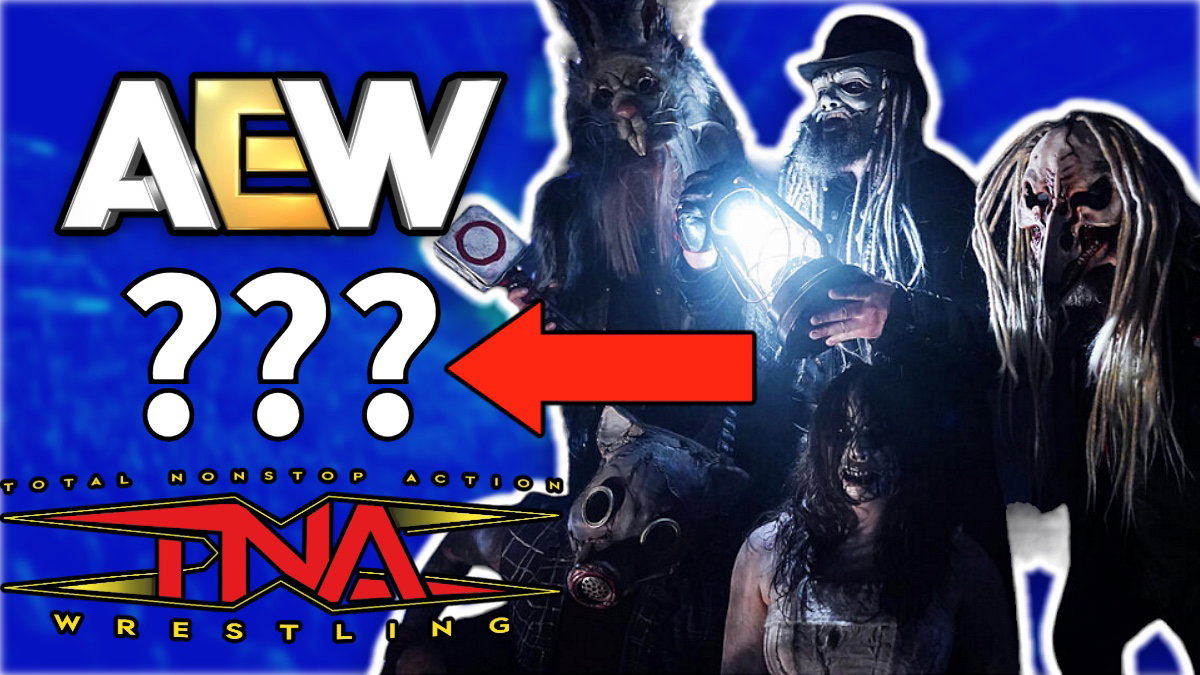
TNA Wrestling is another major player here. They have a history of picking up 'wasted' WWE talent and giving them the creative freedom they lacked in Stamford. If a released star goes to TNA and recreates themselves, as we’ve seen with several former champions, their stock rises instantly. WWE monitors these appearances closely. A successful run in TNA is often the fastest way back into a Triple H-led creative meeting.
The critical failure here is the message it sends to the Performance Center. Why grind for years in Orlando if the reward is a Friday night phone call and a 25-person list? The 'Triple H era' was supposed to be about stability, but this latest round of cuts feels like a throwback to the more erratic Vince McMahon days. It creates an atmosphere of fear rather than growth, which could stifle the development of the next generation of superstars.
Probability of return: The breakdown
Not all 25 names are created equal in the eyes of the corporate office. Based on career trajectories and past booking patterns, here is the assessment of how likely we are to see these 'returns' materialize by the end of 2026.
- High Probability (70%): Mid-card workhorses who were cut for budgetary reasons but have strong ties to Triple H. Expect these returns around the July window when the initial shock has worn off and roster depth becomes an issue for the summer tour.
- Medium Probability (40%): Tag team specialists and NXT veterans who might need a short stint in TNA to 'rebrand' their characters. These returns usually take 6-12 months to manifest after the wrestler proves they can maintain their fitness and fan engagement.
- Low Probability (10%): Veterans who were near the end of their contracts or talent that had repeatedly struggled with injury issues. For these individuals, the April 24 release likely marks the end of their national-level run.
The timeline for these returns is often dictated by the 'creative hole' theory. If a top star gets injured—a frequent occurrence in the current high-impact era—the company suddenly finds itself needing a reliable hand who knows the system. Re-hiring a released star is much faster than training a new one from scratch. This utility is the strongest argument for why the 'Released WWE Stars To Return' rumour has so much legs in the current environment.
Impact on the creative direction
If these returns happen, they need to be handled with more care than the initial releases. Bringing someone back just to put them in the same stagnant position is a waste of resources. The fans are smart; they see the 'rehire' as a sign of corporate indecision. For a return to work, the wrestler needs a complete character overhaul or a high-profile feud that justifies their reappearance on television.
The expected impact of these potential returns is a stabilized mid-card. WWE has struggled to keep their secondary titles, like the United States and Intercontinental Championships, relevant when the challenger pool is shallow. Bringing back seasoned pros from the April 24 group would provide the necessary 'gatekeeper' talent to help elevate the younger stars who are currently being fast-tracked through the system.
However, the negative observation remains: this cycle is exhausting. It treats human beings like line items on a spreadsheet. The 'signing rumour' isn't just about fun speculation for fans; it's about the livelihoods of 25 people who were told their services were no longer required. While we can get excited about a potential debut at AEW Double or Nothing or a shocking return on a July episode of Raw, we shouldn't ignore the fact that the system is currently built on a foundation of volatility.
The final verdict
Expect the summer to be defined by the 90-day countdown. The rumour of these returns isn't just smoke; it’s a reflection of a company that is still trying to find its footing under new ownership. The talent is there, the interest is there, but the long-term vision seems to be changing weekly. For the fans, it means a summer of 'Who's next?' and constant social media stalking of non-compete expiration dates.
The probability of at least three names returning to WWE before the year is out is nearly 100%. The specific names will depend on who stays 'clean' on the indies and who keeps their mouth shut on podcasts. In the modern era, the best way to get rehired is to act like you never left. Keep an eye on the July 23 date—that is when the real game begins and the 'released' labels start to fall off.
Read Next