The nostalgic delusion of the Attitude Era
The sentiment from a recent podcast clip is incredibly bold.
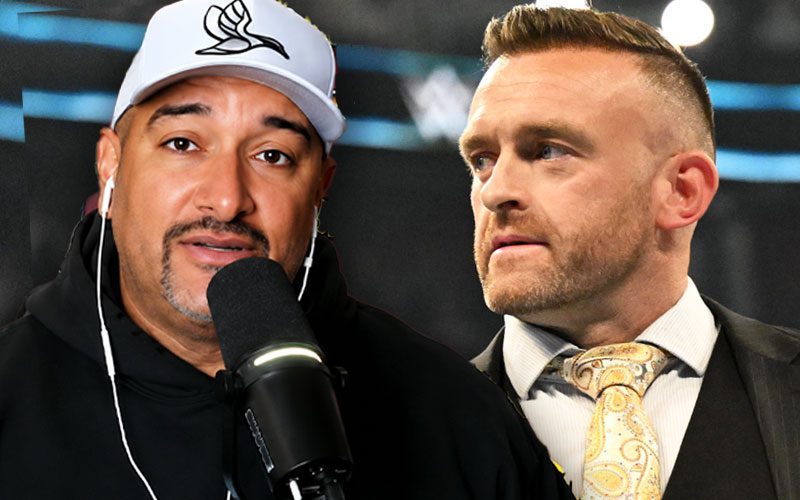
Jonathan Coachman thinks he could slide right back into WWE television tomorrow — and according to him, he’d immediately be better than…
According to Ringside News, the former Raw authority figure claims he would instantly outperform current SmackDown General Manager Nick Aldis. It is a confident statement. It is also fundamentally disconnected from how professional wrestling is constructed under the current regime.
There is a persistent issue with performers from the late Attitude and Ruthless Aggression eras. They look at the current product, see a measured, sports-adjacent presentation, and assume the missing ingredient is their specific brand of chaos. Coachman was a highly effective on-screen character in his prime. He was phenomenal at getting bullied by top stars, absorbing finishers, and operating as an obnoxious proxy for Vince McMahon.
But the role of the General Manager has mutated. The metrics for success have completely changed.
The death of the twenty-minute promo train
If you break down the minute-by-minute structure of WWE SmackDown over the past twelve months, a distinct structural shift is obvious. The era of the authority figure monologue is over. It has been replaced by brutal efficiency.
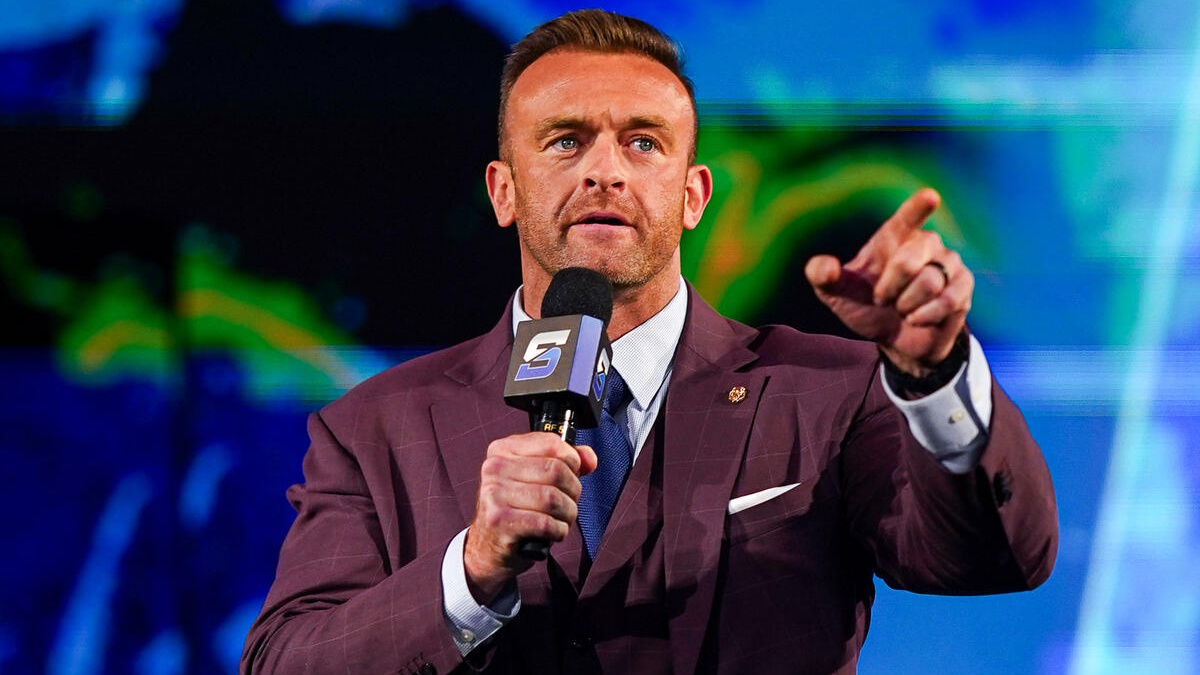
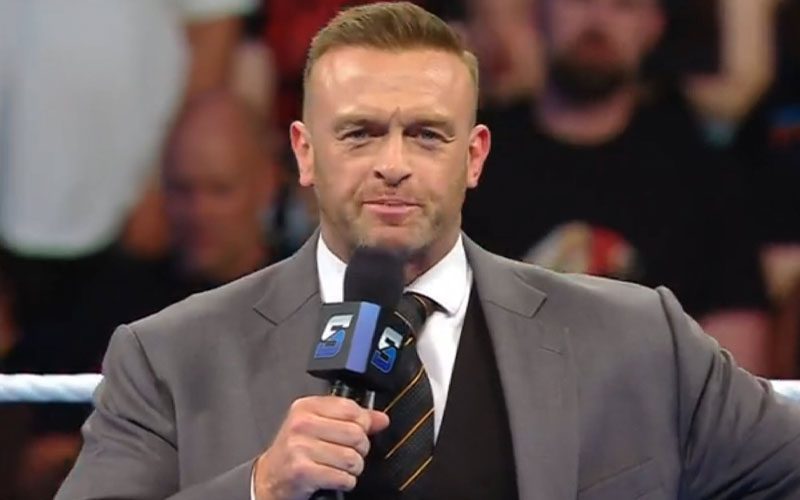
Nick Aldis averages roughly four to six minutes of screen time per two-hour broadcast. He rarely opens the show with a microphone in his hand. He does not book himself into main event angles. His function is purely administrative framing. He exists to give narrative weight to the actions of the actual roster.
We used to endure a standard formula. The heel GM walks out at 8:00 PM, talks for fifteen minutes, gets interrupted, and books a tag team main event. That structure actively burned viewers. Modern quarter-hour ratings show that audiences tune in for talent interactions, not middle management disputes.
When Aldis interacts with Roman Reigns or LA Knight, he is not trying to draw heat. He is acting as a rigid wall that the top stars bounce off. This requires a specific physical and vocal presence. Aldis looks like a man who could step into the ring if pushed, but chooses not to because he wears the suit.
Evaluating the Aldis mechanics
Aldis has not been flawless. There have been weeks where his strict disciplinarian act feels overly repetitive. His handling of the Bloodline's mid-2025 contractual disputes dragged on entirely too long.
We watched multiple backstage segments of Aldis reviewing paperwork that could have been resolved with one simple ring announcement. It was a rare pacing error for the current creative team.
But those minor booking missteps do not invalidate his core utility. He provides stability. The audience accepts him as a legitimate matchmaker. He treats the WWE rulebook as a tangible document, which adds stakes to title matches and tournaments.
If you drop Jonathan Coachman into that exact same slot, the entire format crumbles.
Coachman is inherently comedic. His voice, his mannerisms, and his history scream sycophant. You cannot have Cody Rhodes cut a deeply emotional, blood-feud promo, and then have Coachman waddle out to make the match. It creates a tonal whiplash that modern WWE audiences reject.
The Adam Pearce variable
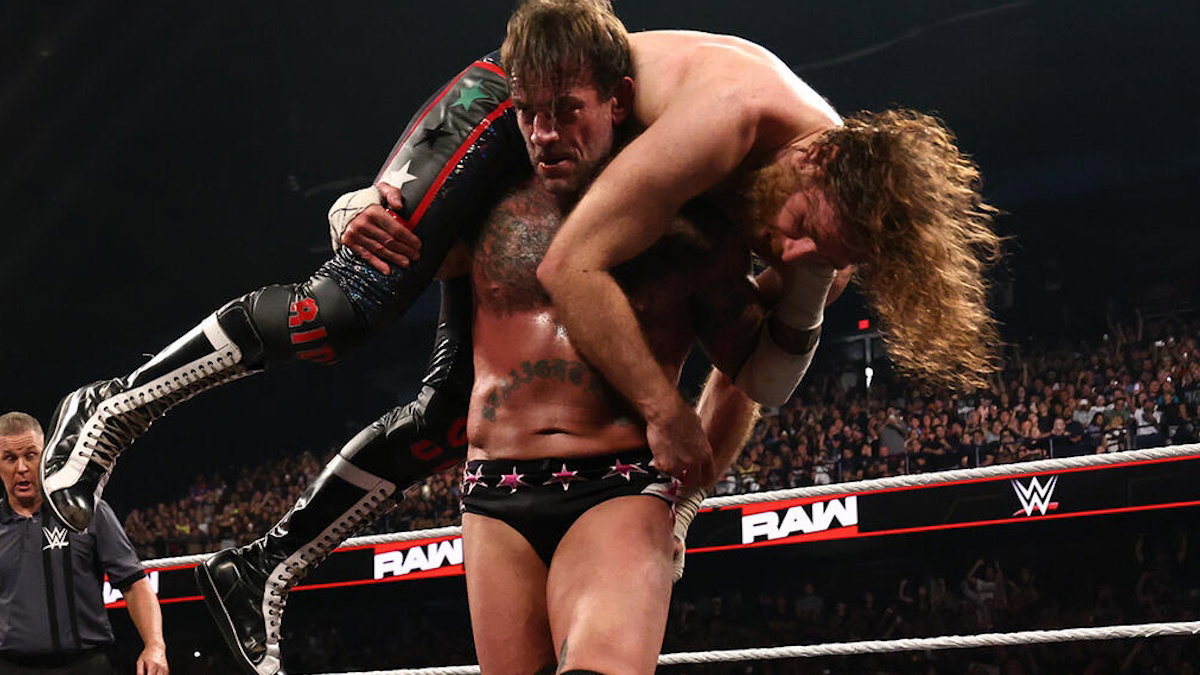
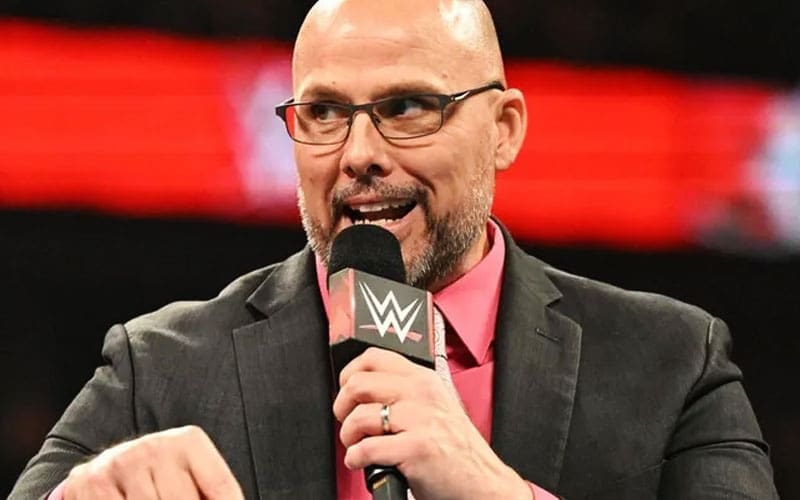
To truly understand why Coachman’s claim misses the mark, you have to look at Monday Night Raw. Adam Pearce occupies the equivalent role on the flagship show. Pearce and Aldis operate as dark mirrors to one another.
Pearce is the exasperated middle manager trying to hold a chaotic roster together. He looks tired. He looks frustrated. When Drew McIntyre tears apart the ringside area, Pearce reacts like a man calculating the repair costs.
Aldis is the confident executive who refuses to be intimidated. When a talent steps out of line, Aldis suspends them without blinking. This contrast gives both shows a distinct flavor without turning the General Managers into the main characters.
Coachman does not fit either of these molds. He does not project authority, nor does he project sympathetic frustration. He projects cartoonish villainy.
We saw the failure state of cartoonish villainy when WWE briefly tried to bring back John Laurinaitis in the early 2020s. The audience did not want to boo the evil executive anymore. They just wanted him off their screens so the actual wrestlers could fight.
The structural demands of modern broadcasting
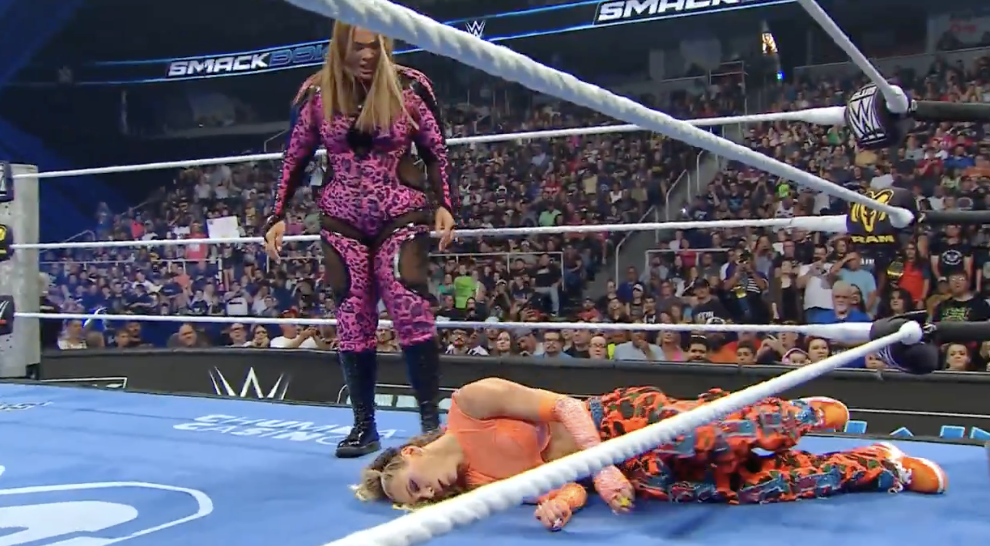
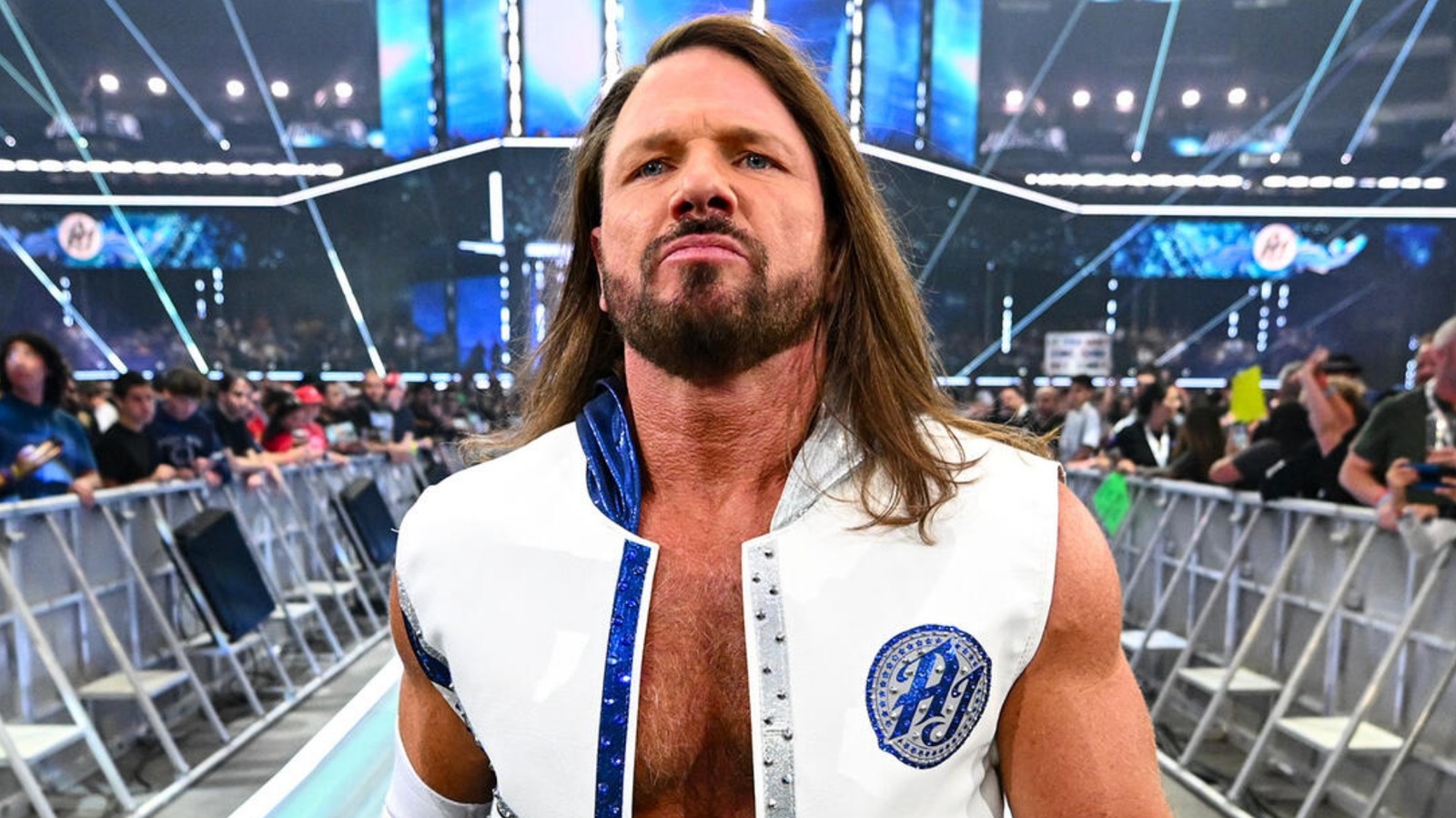
We also have to consider the sheer volume of talent that a General Manager has to juggle today. The SmackDown roster is incredibly dense. You have intricate, long-term storytelling happening with The Bloodline, intersecting with the volatile presence of Kevin Owens, Randy Orton, and AJ Styles.
A General Manager today has to weave in and out of these intersecting storylines without dropping the thread. They have to appear completely neutral while secretly guiding the audience toward the next premium live event.
When Coachman was operating as a GM, the storylines were largely built around the boss's whims. The McMahon family drama dictated the flow of the show. If Coachman messed up a segment, it was fine, because the point of the segment was usually just to set him up for a Stone Cold Stunner.
Today, if a GM flubs an interaction with Tama Tonga or Solo Sikoa, it damages the credibility of the entire Bloodline angle. The stakes for the supporting cast are significantly higher. The GM has to sell the danger of the talent.
Aldis sells danger perfectly. When he stands face-to-face with a heavyweight, he does not cower. He holds his ground, which instantly signals to the viewer that the situation is serious. This subtle physical acting is completely absent from the comedic stooge playbook.
Furthermore, the integration of social media and digital exclusives means the GM role extends beyond the two-hour Friday night broadcast. Aldis cuts promos on X and records backstage digital exclusives that feel like legitimate sports press conferences. Coachman’s brand of sports entertainment simply does not translate to this documentary-style digital footprint.
The economics of screen time
Coachman's claim that he would immediately be better than Aldis relies on a flawed definition of what "better" means right now.
If "better" means generating a louder initial crowd reaction for himself, Coachman might be right. A surprise return always generates a nostalgia pop. But that pop lasts exactly one week.
If "better" means facilitating a television show that draws over two million viewers a week and sells out arenas globally, the data points entirely in the opposite direction. Aldis works because he gets out of the way. His lack of overwhelming main-character energy is exactly what makes him valuable.
He is an offensive lineman. He blocks for the quarterback. Coachman wants to be the wide receiver, running routes that nobody called.
There is also the reality of live television execution. Aldis rarely stumbles over his lines. He delivers exposition cleanly and quickly. He understands how to hit a hard commercial out without needing a heavily scripted crutch. He protects the timing of the broadcast.
The Prediction: Silence from Stamford
So, where does this leave Coachman's public challenge?
I predict that WWE management will completely ignore this. Jonathan Coachman will not replace Nick Aldis. He will not return in an authority capacity on any main roster television show in 2026. The current administration has shown absolutely zero interest in reverting to the tired playbook of heel authority figures.
Aldis is thoroughly entrenched. He has the look, he has the cadence, and most importantly, he fits the system. WWE is currently operating a finely tuned machine. With the road to SummerSlam approaching and massive stadium dates locked in, they require absolute stability in the GM role.
Coachman is speaking to a very specific segment of the internet. It makes for a good podcast clip. It generates aggregate news articles. It gets his name circulating in the wrestling bubble for a 48-hour news cycle.
But it is not a viable business strategy. The modern fan does not tune in to see the General Manager get humiliated.
Aldis will continue to wear sharp suits, fine talent for insubordination, and make main events. Coachman will continue to talk about how much better things used to be.
The numbers, the television ratings, and the critical reception of the product all indicate that WWE has exactly the General Manager they need. Changing the formula now to chase a cheap pop would be an unforced error of the highest magnitude. Triple H simply does not make those kinds of errors.