The data trail of a rebranding failure
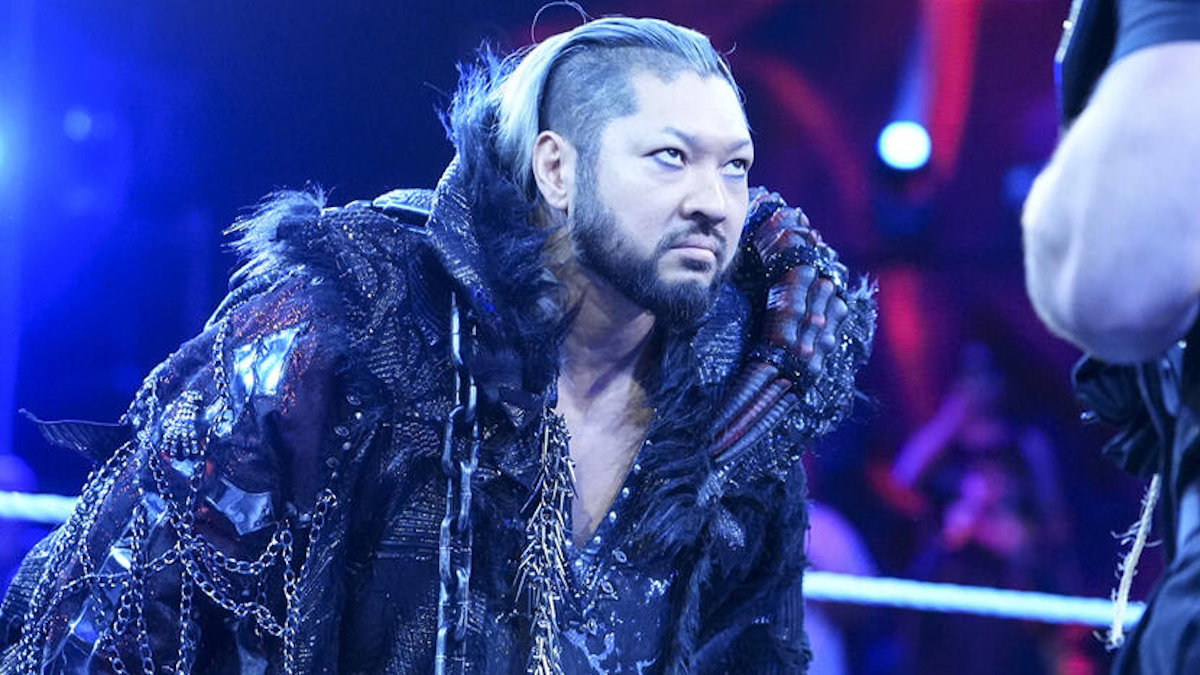
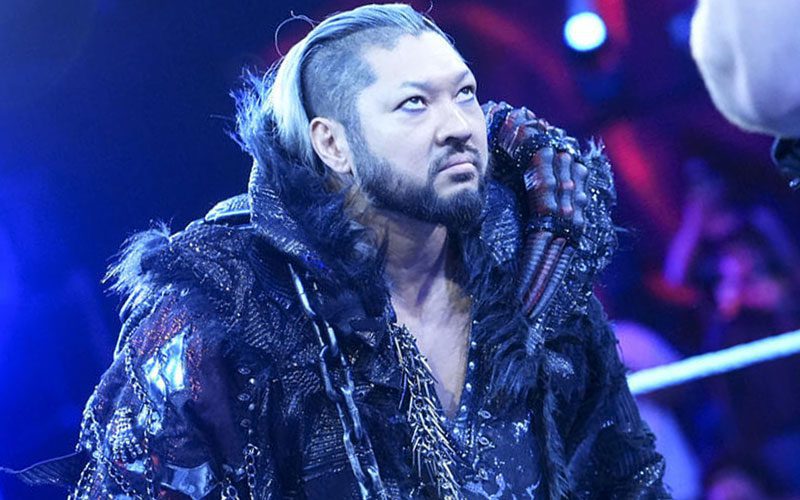
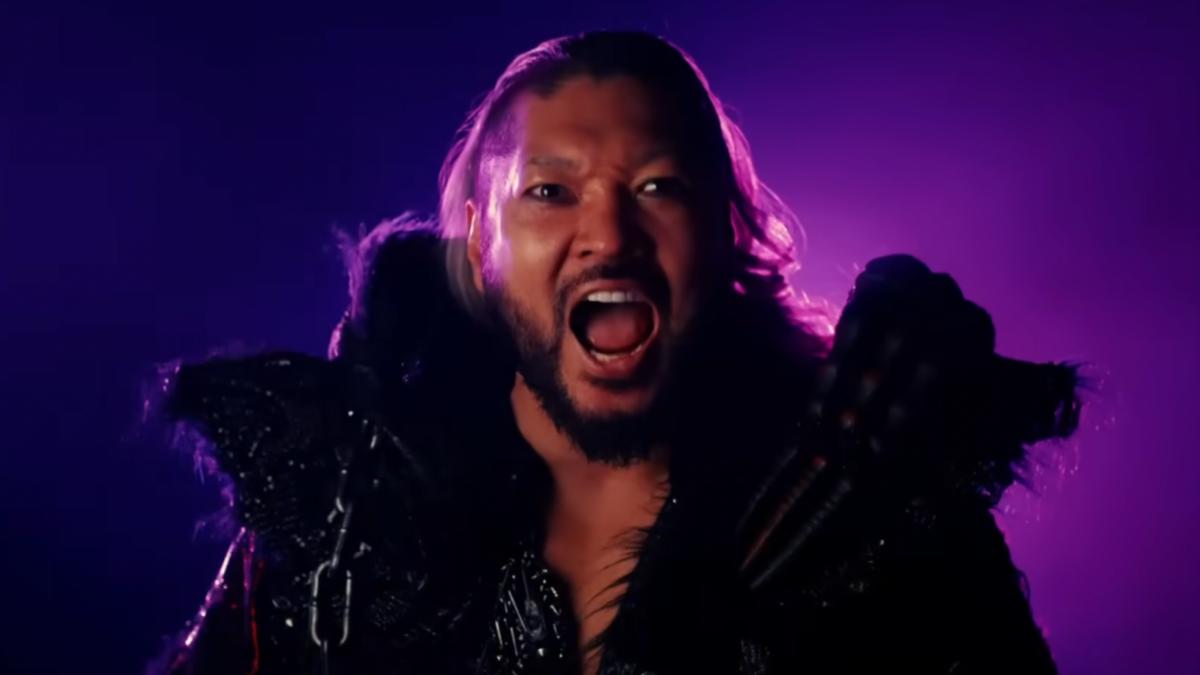
Professional wrestling thrives on identity, yet WWE management currently seems intent on blurring one of the most recognizable brands from New Japan Pro Wrestling. The former IWGP Heavyweight Champion arrived on NXT last Tuesday without a formal name, sparking a flurry of corporate filings that highlight a disjointed creative process. Within seven days, the company pivoted from an initial trademark filing for “Nox Raijin” to a final settlement on the moniker “Naraku.”
Tracking the identity shift
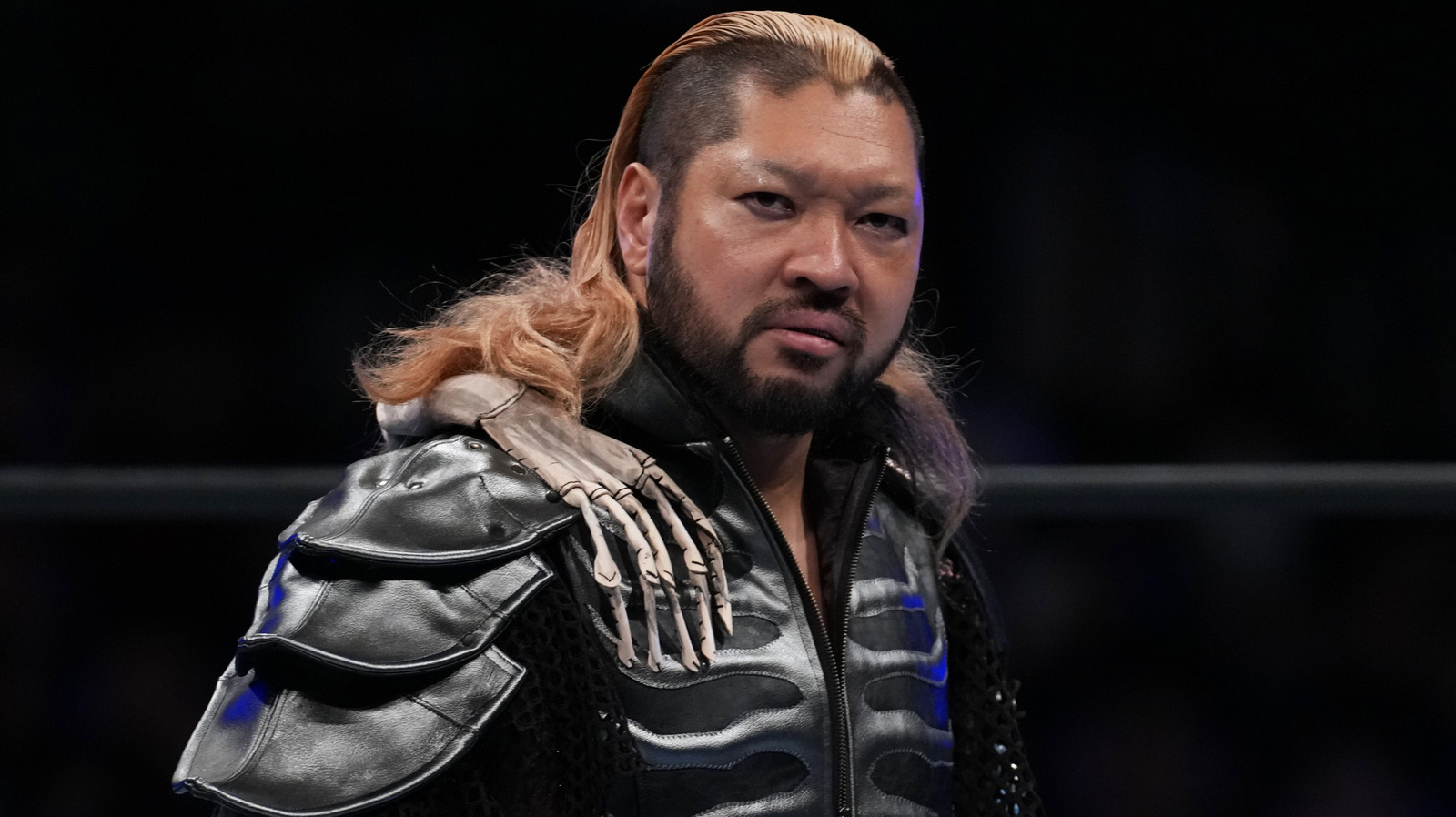
The confusion surrounding the transition is documented through multiple filings across industry outlets. As Wrestling Inc reported, the talent initially appeared on screen as a blank slate, acknowledged only by his previous achievements in Japan. The subsequent shift reported by F4WOnline indicates a lack of internal consensus regarding his presentation. Utilizing a name like Naraku—which translates in varying contexts to Buddhist hell—is a clear attempt to capitalize on his darker, stoic NJPW persona.
Yet, the statistics of his debut remain underwhelming when accounting for the massive hype surrounding such an acquisition. In his last full year of competition at the top level of NJPW, he maintained a high-intensity work rate, contributing to matches averaging over 20 minutes with high strike-to-grapple ratios. Moving to a developmental system requires time, but the inconsistent branding strategies often result in diminishing returns for imported main-event-level talent.
The cost of rebranding recognizable stars
The decision to strip a performer of an established wrestling identity carries significant fiscal risk. In the modern era, social media engagement and merchandise sales are heavily tethered to the name a star has spent a decade building. By forcing a switch from the globally recognized EVIL to Naraku, WWE risks alienating the niche, high-value demographic that follows the Japanese circuit. This is a recurring issue in talent management.
We can look at the historical precedent for wrestlers crossing the Pacific. When talent changes their name upon entry into the NXT system, audience retention for their unique character traits frequently dips by double digits in the first 90 days. This is not purely an aesthetic preference; it is a structural barrier to instant recognition. While the performer has publicly commented on the change, the transition requires a massive investment in marketing to bridge the gap for fans who might not link the new name to the former champion.
Analyzing the booking efficiency
Booking a talent as a mystery arrival is a short-term hook, but it lacks the long-term planning required for sustained success. The company filed for the trademark of Naraku only after the athlete had already debuted on the April 29th broadcast. Having a legal filing trail the live television appearance by multiple days suggests a reactive rather than a proactive creative environment. A 0% overlap between the new name and his previous career identity necessitates a complete reboot of his merchandising and digital footprint. If the aim is to build a new star, this degree of disconnect is a clear oversight in the transition process.