The raw cost of development
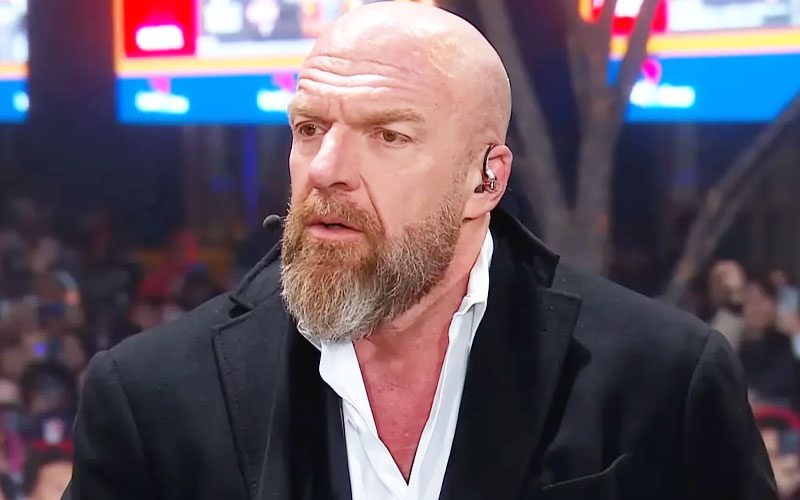
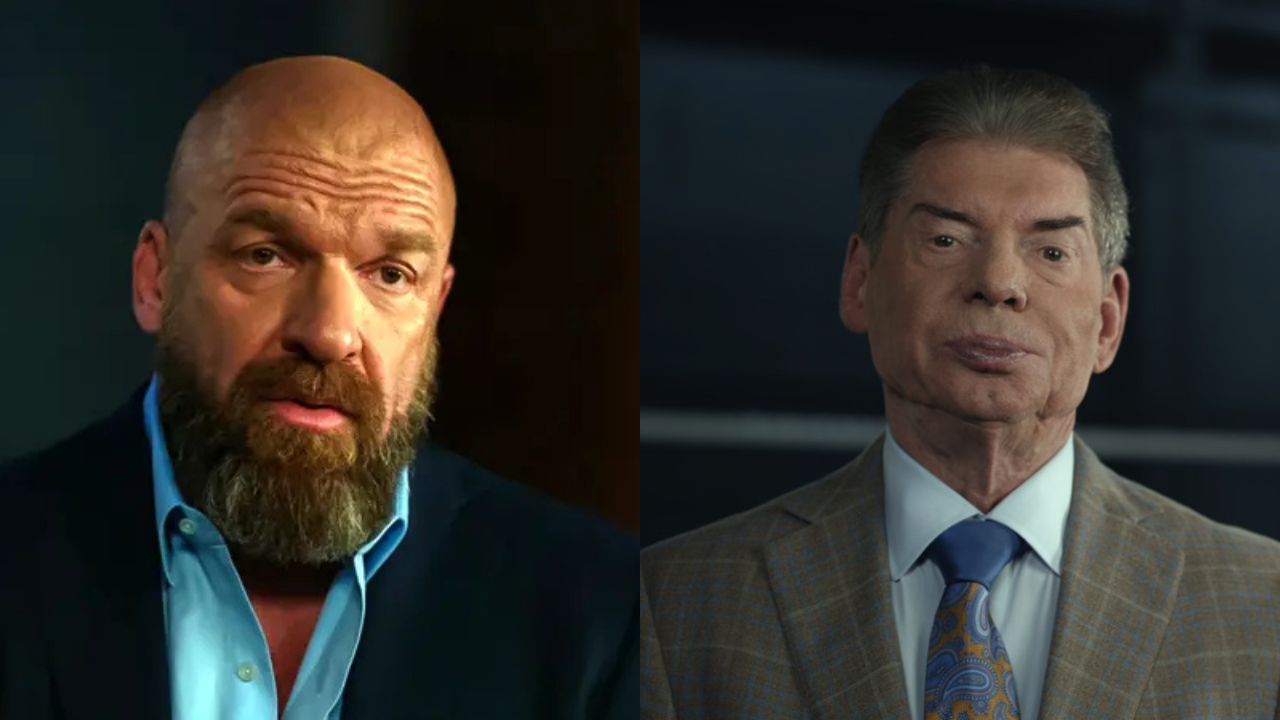
With WrestleMania 41 looming in just 48 hours, Triple H’s booking philosophy has drifted from linear progression to reactive disruption. The decision to hold Trick Williams back despite clear fan demand is a statistical outlier in modern developmental strategy. Triple H noted that keeping him off the main roster was a deliberate cooling-off period, an attempt to manage expectations for a talent who was clearly ready for the spotlight months ago.
This creates a friction point within the performance center ecosystem. When talent like Je’Von Evans gets a call-up just hours before a major broadcast like Saturday Night’s Main Event, it signals that scouting reports are being bypassed in favor of immediate television needs. The internal pressure to fill segments is winning out over long-term character arcs, as evidenced by the scramble to fill the April 16 Main Event card.
Main Event: A case study in thin margins
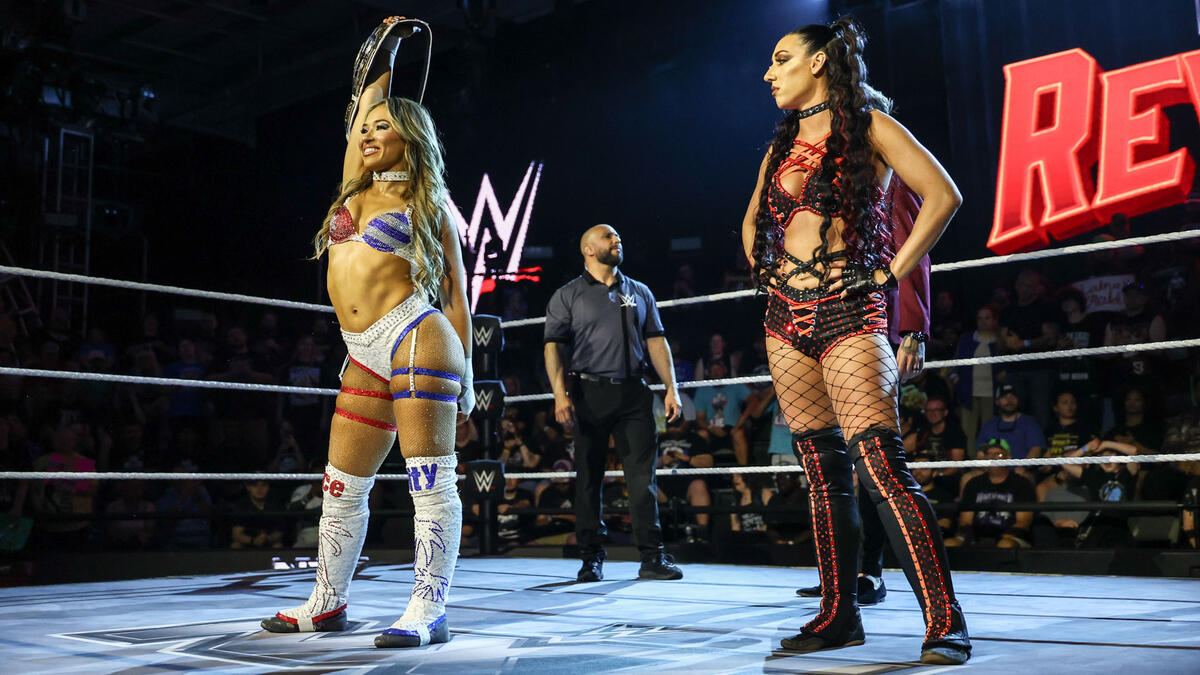
The April 16 edition of Main Event is the perfect litmus test for this roster fatigue. Featuring only two matches—Jordynne Grace versus Zelina Vega and a clash between Maxxine Dupri and Raquel Rodriguez—it highlights a show running on fumes. There is a glaring lack of depth when marquee names are being rotated through YouTube-exclusive segments to keep the main roster programming from hitting a ceiling.
We are seeing an efficiency problem. While the company is busy commissioning legacy projects like the new Hulk Hogan statue, the day-to-day talent usage shows clear signs of neglect in the mid-card. Relying on nostalgia while simultaneously failing to properly integrate high-potential performers like Williams is a precarious tightrope walk before the biggest weekend of the year.
The hidden risks of the pivot
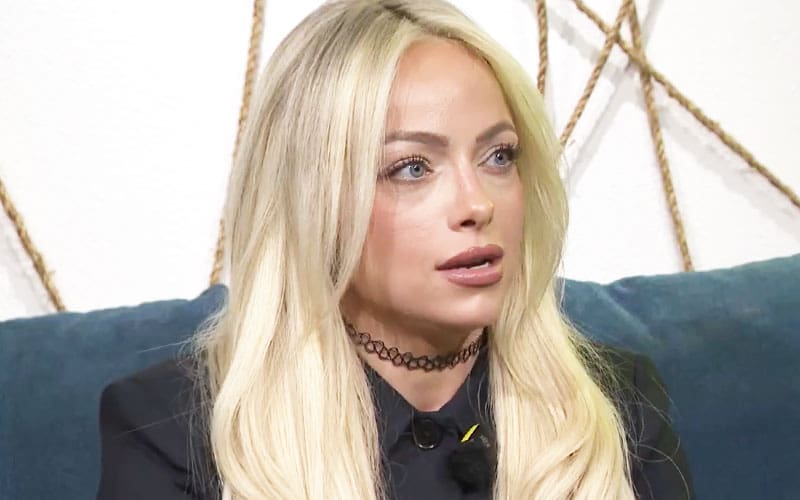
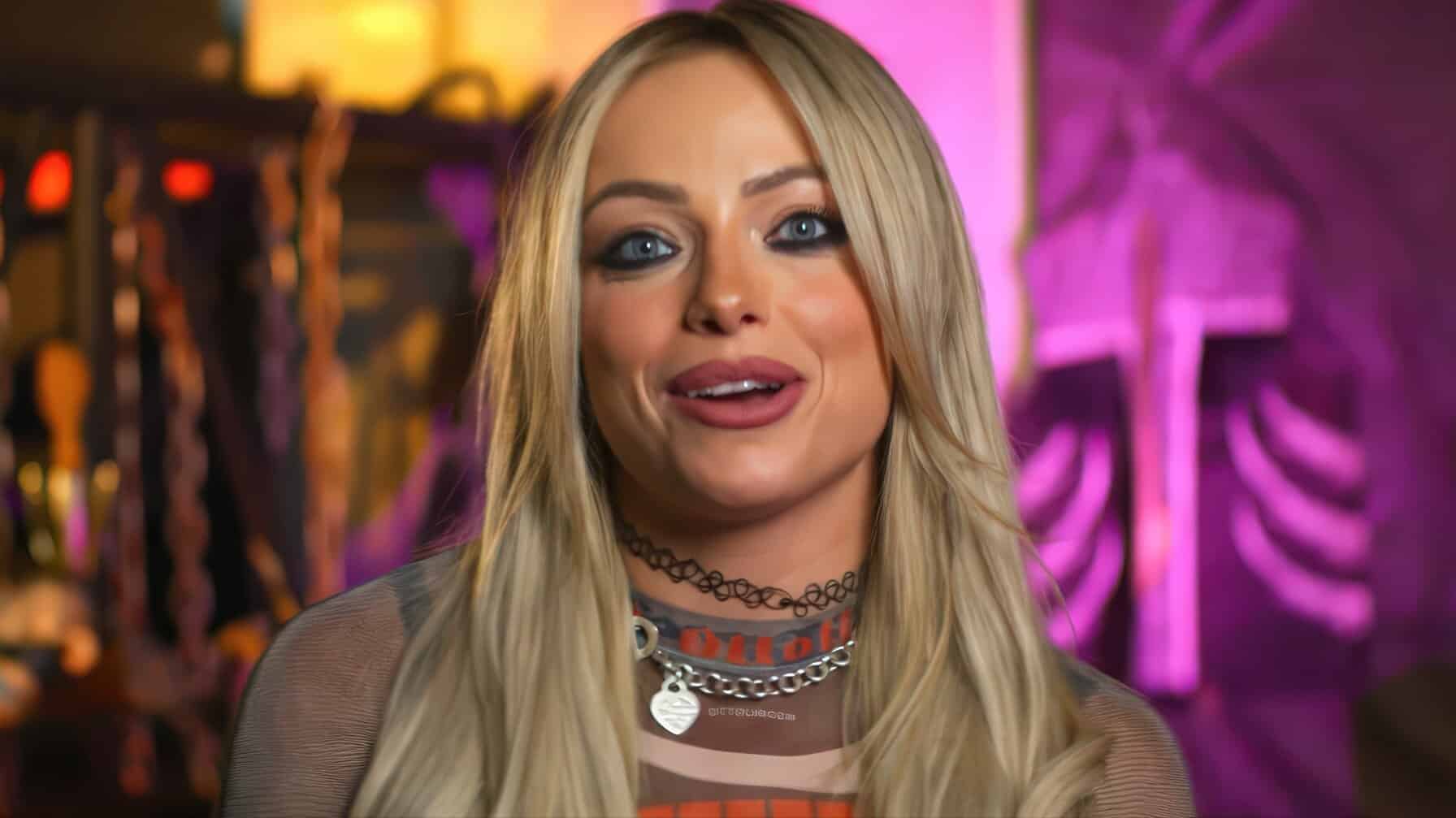
Operational safety is becoming a legitimate statistical concern as well. Liv Morgan’s recent disclosure that WWE was forced to coordinate with the FBI after a stalker attempted to break into her home is a grim reminder of the threats facing top-tier talent. This reality shifts the burden on the company to provide security, a logistical challenge that rarely makes it into the internal performance metrics.
Morgan’s transition into her “Trouble” music video persona is a high-reward marketing play, but it masks the volatile nature of a wrestling career in 2026. The shift from physical in-ring narrative storytelling to multimedia branding is clear; however, the lack of a buffer between these stars and the public creates an unacceptable liability. If these creative risks don't translate to actual ticket growth at mega-events, the strategy will look less like innovation and more like disarray.
What the legends say
Trish Stratus recently outlined that her return hinges on factors beyond a simple paycheck. Her skepticism highlights a common theme among veterans: the current product has moved away from the structured, psychology-heavy pacing of previous decades. Even Shawn Michaels is looking backward, pointing out that legends like Curt Hennig were the ones architects of the industry's most iconic monikers—a nod to a time when collaboration took precedence over corporate branding mandates.
When the internal feedback loop involves legends like Stratus demanding more than money for a return, it suggests that the creative direction is losing its pull among those who defined the business. With WrestleMania 41 kicking off on April 19, the company has zero room for half-measures. Triple H needs to reconcile the data-driven need for longevity with the human reality that a roster is only as good as the talent actually allowed to step into the ring.
Read Next