The timing trap in the Florida developmental system
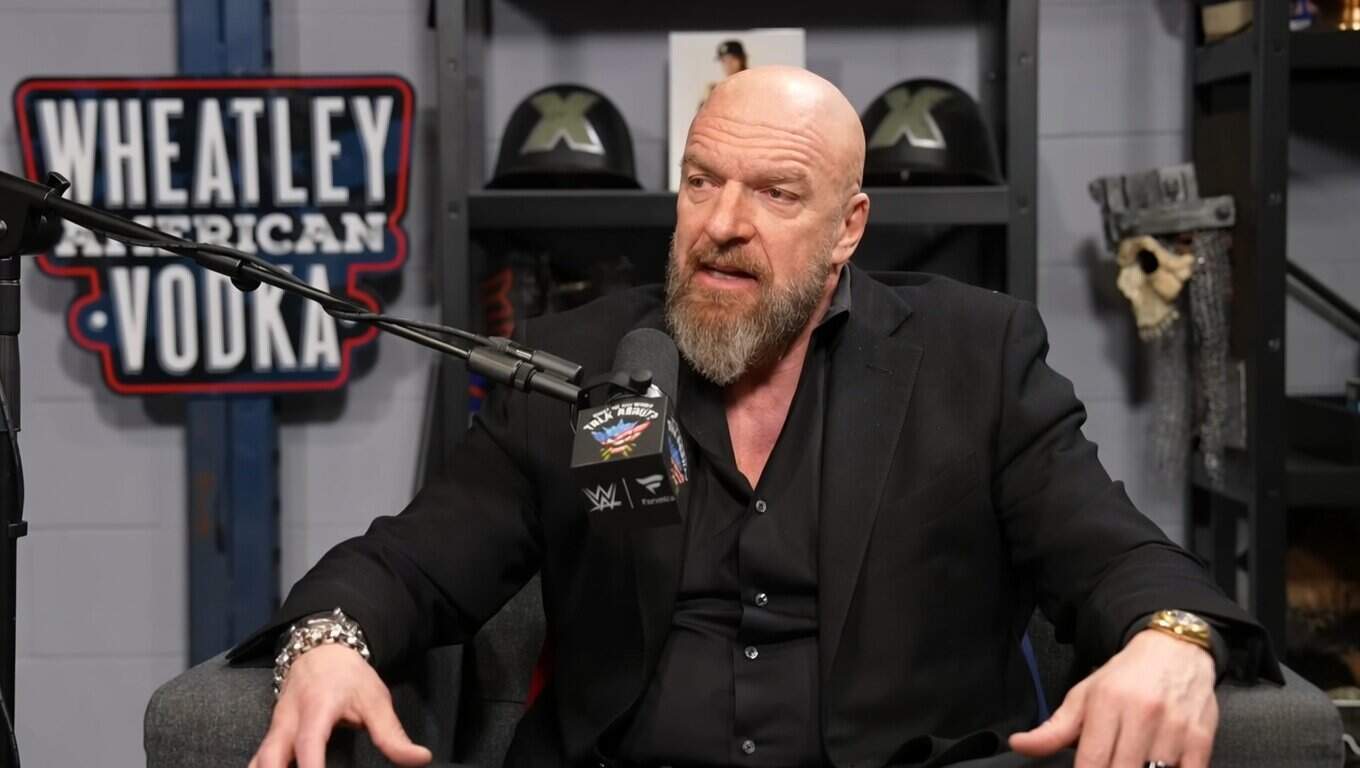
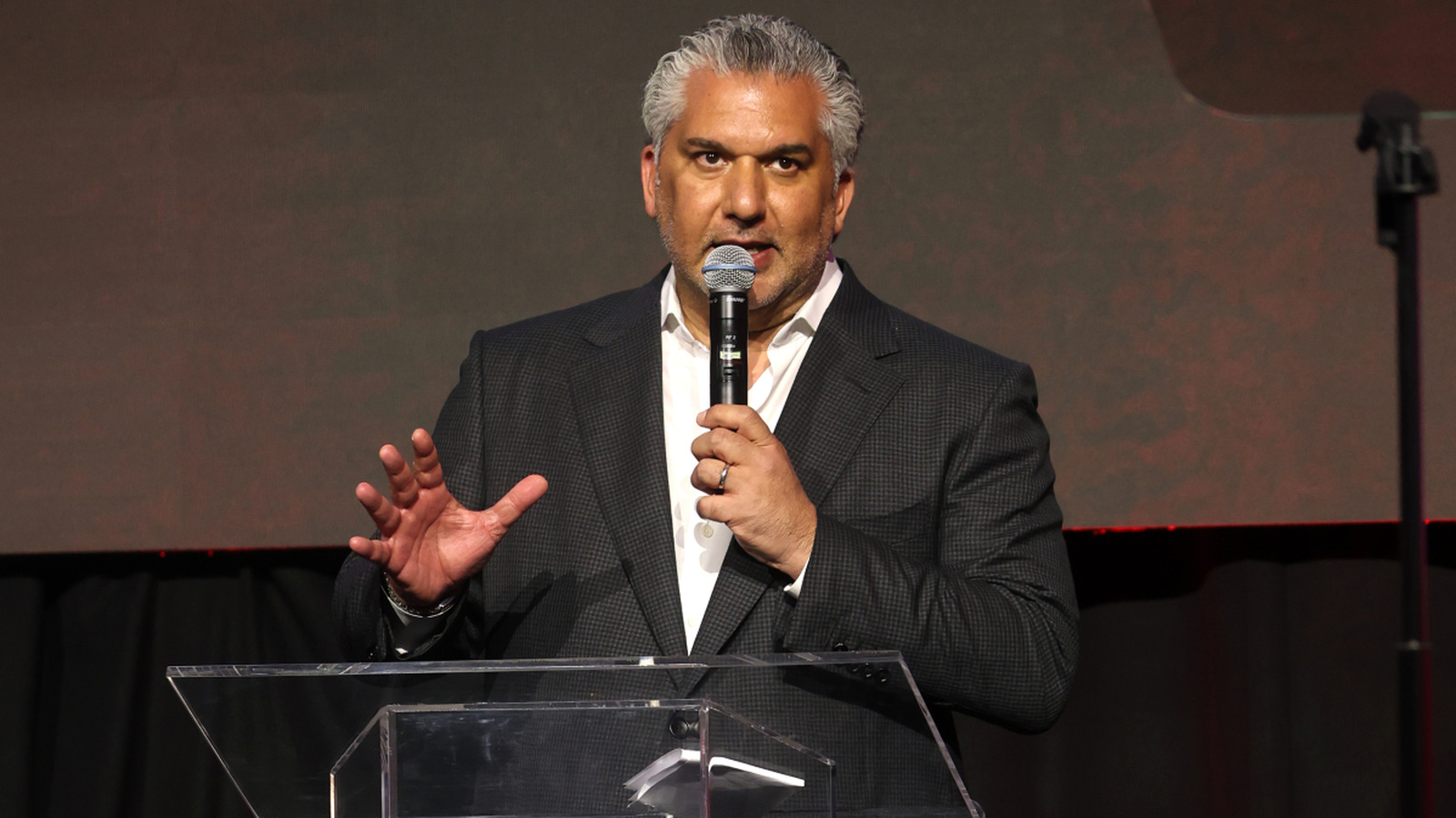
The fluorescent lights of the Performance Center have a way of making time move differently. For Triple H, the clock is a tool of precision. For the talent grinding through three-show loops in Florida, that same clock feels like a lead weight. This week, Paul Levesque finally said the quiet part out loud regarding the transition from NXT to the main roster.
As Ringside News noted, the WWE Head of Creative admitted that frustration is reaching a boiling point behind the scenes. The logic is simple: timing matters more than speed. It is a philosophy that protects the main roster’s creative integrity but risks rotting the developmental vine. We are two days away from WrestleMania 41 in Las Vegas, and the usual expectation of a post-Mania 'Exodus' is colliding with this new, slower reality.
The numbers back up the need for a tactical shift. While total viewership for NXT saw a slight dip this week, the 18-49 demo increased, showing a core audience that is locked into the current narratives. But you cannot keep a roster in stasis forever. When the demo stays high but the total audience shrinks, it suggests the product is serving a niche of 'super-fans' while failing to create the broad momentum required for a successful call-up. Triple H is choosing to let the frustration simmer rather than risk a premature debut that results in a three-month catering stint on Raw.
The Trick Williams pivot and the extended developmental curve
If you want to see this 'timing' strategy in action, look at the recent transformation of Trick Williams. Shawn Michaels recently pulled the trigger on a heel turn that caught many off guard. It was a move designed to solve a specific problem: Trick had reached his ceiling as a babyface in the NXT environment. Shawn Michaels explained that there was a real strategic reason for the shift, and that reason is longevity.
By turning Williams heel, WWE has effectively reset his developmental clock. He is no longer just waiting for a phone call on the Monday after WrestleMania. He is now learning a completely different side of the craft—working from on top, dictating the pace of a 15-minute main event, and managing the heat of a crowd that once adored him. It is a tactical masterclass in slowing down a career trajectory to ensure that when he finally hits the ground in Vegas or Orlando, he isn't just another athletic guy with a catchy entrance.
However, this strategy has a glaring flaw. The frustration Triple H mentioned is not just about ego. It is about the financial reality of the developmental contract versus the main roster minimum. Every month a ready-made star like Williams stays in NXT to 'perfect the timing' is a month they aren't selling merchandise on a global scale. The negative observation here is clear: WWE is prioritizing creative perfection over the financial momentum of their hottest prospects. It is a conservative approach that might prevent 'busts,' but it also stifles the organic fire that made previous eras so unpredictable.
The TNA partnership as a tactical stopgap
To manage this logjam, WWE is increasingly looking toward the TNA partnership as a way to keep the NXT product fresh without having to promote talent before they are 'timed' correctly. The recent noise from TNA veteran ODB is the latest data point in this trend. ODB has been vocal about pushing for a WWE appearance before she hangs up the boots. This is not just nostalgia; it is a tactical necessity for Shawn Michaels.
Bringing in a veteran like ODB allows NXT to book high-profile women's segments that don't require their young, developmental talent to take unnecessary losses or carry the heavy lifting of a program. It fills the gap left by stars who are technically ready for the main roster but are being held back by Triple H’s 'timing' mandate. It’s a temporary fix for a structural problem. If the veterans take the TV time, the frustration among the NXT regulars only deepens.
We saw this with the 825,000 viewers that tuned in for Jordynne Grace's previous appearances. The TNA crossover provides a short-term ratings spike that masks the stagnation of the lower-card developmental talent. It is a bridge to nowhere if the talent on the other side of that bridge is told to wait indefinitely. The locker room in Orlando is watching these outsiders take spots while they are told that 'speed doesn't matter.'
Prediction: The Vegas Exodus will be a trickle, not a flood
Following the conclusion of WrestleMania 41 Night 2 on April 20, the internet will expect a half-dozen call-ups to redefine Raw and SmackDown. That is not going to happen. Based on the evidence of the last three months of booking and Levesque's own admissions, we are looking at the most conservative post-Mania transition in a decade. My prediction is that only two NXT talents will receive full-time call-ups in the week following the Las Vegas show.
Trick Williams will stay in NXT. Despite being the most 'ready' talent on the roster, his heel turn has only just begun to bear fruit. He needs at least four more months to master the nuances of his new persona. Promoting him now would be a violation of the very timing philosophy Triple H just defended. Instead, expect the call-ups to be functional rather than flashy—likely a tag team or a mid-card specialist who can fill a specific hole on the SmackDown roster rather than a franchise player meant to lead a brand.
The frustration will remain. The 18-49 demo will continue to fluctuate as fans wait for the 'Next Big Thing' to actually arrive on Monday nights. Triple H is gambling that the audience will be patient. He is betting that a star who arrives six months 'late' but fully formed is better than a star who arrives on time but half-baked. It is a cold, analytical approach to a business that usually runs on heat. In the 62 days between WrestleMania and the summer heat, that frustration will either forge the next generation of greats or it will cause the developmental system to buckle under its own weight.
The final reality of the Las Vegas weekend won't be the debuts; it will be the talent left behind in Florida. ODB will likely get her wish, providing a temporary distraction, while the blue-chip prospects like Williams are forced to watch from the sidelines. It is a tactical choice that favors the long-term health of the main roster at the expense of NXT's morale. In the world of Triple H, the 14-minute match is more important than the 21-year-old’s ambition. Whether that pays off at WrestleMania 42 is a question for another year, but for now, the developmental logjam is here to stay.
Read Next
- WWE finally realized that Trick Williams couldn't survive as a babyface
- Randy Orton is duct-taped together and still more dangerous than anyone in Vegas
- IShowSpeed and Logan Paul are the new WWE blueprint for celebrity signings
- Masato Tanaka just showed Vegas that grit beats corporate polish every time
- 🏆 WrestleMania 41 — Full Coverage Hub