The return of a classic format to MSG
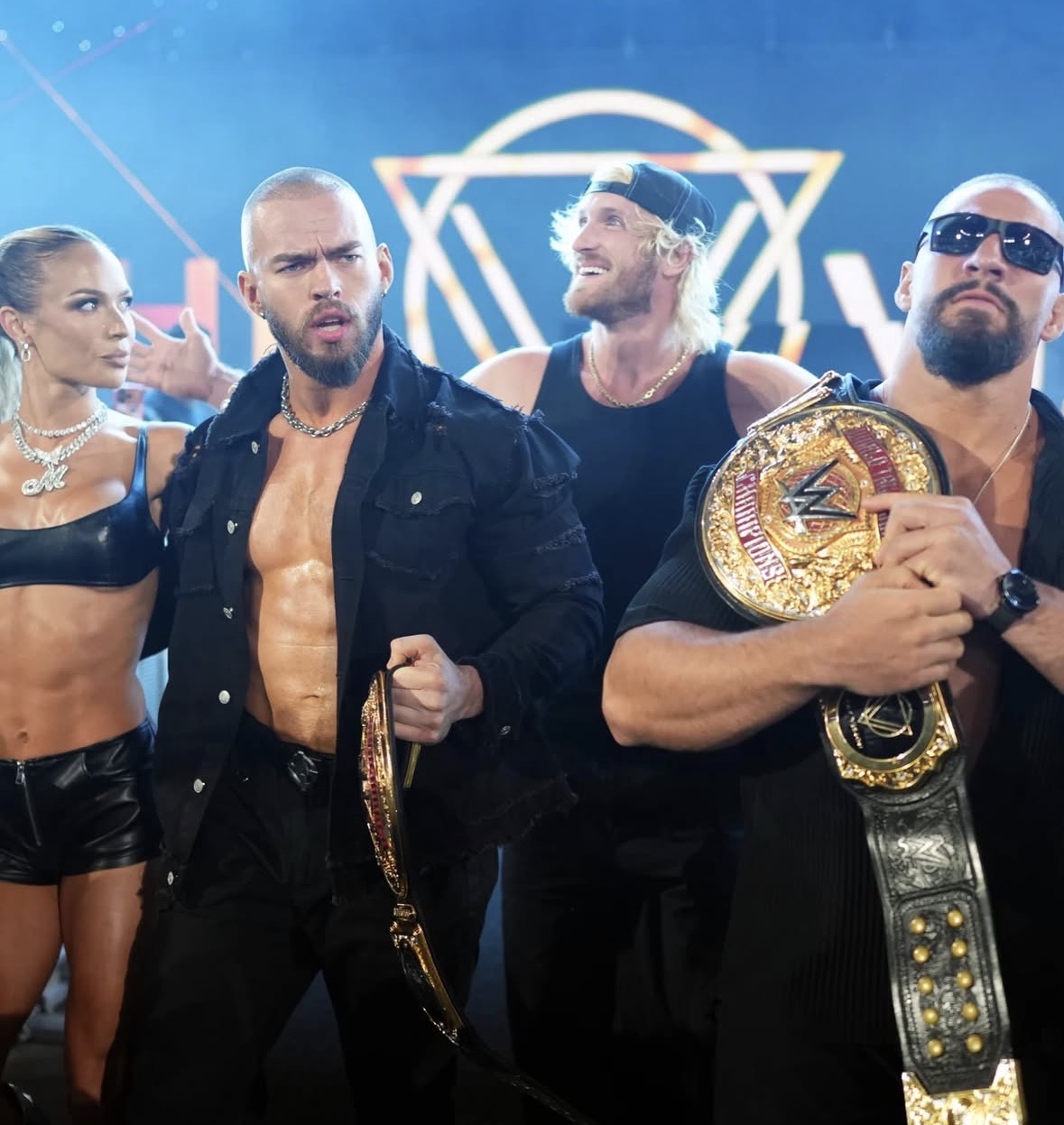
WWE is betting on nostalgia with the return of Saturday Night’s Main Event, a brand that defined the 1980s television experience. The recent release of the cold open filmed at Madison Square Garden shows a clear commitment to production values that mirror the high-budget presentation of current premium live events. You can watch the full reveal on PWInsider to see if the aesthetic shift aligns with your preferences.
There is a risk, however, that relying on this specific brand heritage creates a barrier to entry for fans who prioritize modern work-rate over history. The 1980s aesthetic is a comforting safety blanket for the company, but it offers little in terms of creative progress. Unless the in-ring output matches the polish of the cold open, this feels like an expensive coat of paint on a structure we have seen for decades.
Tactical booking at the Garden
Running an event at Madison Square Garden remains the ultimate litmus test for any promotion. The crowd there does not suffer fools; if the card is lacking, the silence during a opening match is deafening. WWE is counting on the prestige of the building to mask any potential lack of narrative urgency in the current product.
The move suggests the company is moving toward a strategy of high-profile, standalone specials rather than maintaining a consistent, weekly peak for television. By leaning into the arena's history—a venue where legends were crafted—they put immense pressure on the current roster to prove they belong on that same canvas. If the card isn't loaded with high-stakes technical sequences, the venue might actually work against them by highlighting the talent gap.
The danger of over-polishing
Watching the cold open, one notices a distinct focus on cinematic flair over the grit that made the original format feel special. While the high-definition visuals shine, professional wrestling requires a certain level of unpredictability to remain compelling. A pre-recorded, heavily edited intro sets a high bar for the live show, creating a discrepancy between the marketing and the reality of a three-hour broadcast.
Booking these events requires precision. If the segments follow the same rigid formula seen on modern weekly shows, the MSG crowd will let the performers know by the 15-minute mark. This is not about the history of the show; it is about whether WWE can provide a wrestling product that feels like it evolved past the 1987 playbook. I expect a strong gate, but the retention numbers will tell us if this nostalgia trip is a sustainable business model or just a marketing exercise.
My prediction? The production value will be the highlight of the night, while the booking will likely force a tepid reaction from the older crowd. WWE needs a breakout performance from someone in the mid-card to validate the return. If the main event doesn’t provide a clean, high-impact finish, this experiment will struggle to find a permanent place in the modern schedule.