WWE needs to stop treating its mid-card women like afterthoughts

The undercard struggle
The recent digital content push featuring Zelina Vega and Dakota Kai highlights a persistent issue within the company. While both performers possess undeniable technical skill, they are frequently relegated to social media clips rather than sustained television narratives. This mismatch between talent availability and booking priority creates a hollow feeling for viewers invested in the long-term growth of the division.
Zelina Vega remains one of the most natural talkers on the roster. Her ability to command a crowd has been evident since her time managing Andrade, yet her in-ring output often feels like a series of disjointed cameos. As PWInsider reported, the reliance on supplemental video content is becoming the primary home for these athletes. It is a frustrating reality for fans who want to see them integrated into championship storylines.
Dakota Kai and the injury carousel
Dakota Kai occupies a strange space in the current hierarchy. Her return from physical setbacks should have been a focal point for the Damage CTRL arc, but the booking has been erratic. She excels in high-intensity tag team environments, yet she rarely gets the runway to showcase her striking-based offense in a featured singles capacity.
The creative team often uses her as a stabilizing force for others rather than a protagonist. When she does appear, the pacing of her matches often suffers from a lack of stakes. A performer of her caliber deserves a coherent arc that spans more than a few weeks of sporadic television time.
The booking disconnect
There is a recurring pattern of introducing high-potential talents only to have them drift into the background for months. This is not just a failure of character development but a structural issue in how the three-hour shows are partitioned. When the main event scene dominates the airtime, the rest of the roster is left to fight for scraps in the final 10 minutes of the broadcast.
The reliance on short, frantic segments prevents the audience from developing a genuine connection with the talent. If you are not in the title picture, your character growth is effectively frozen. This creates a stagnant environment where the same four or five people dominate the screen while everyone else waits for their contract cycles to end.
A path forward or more of the same?
The solution is not necessarily more titles, but better-defined secondary feuds. We need to see these women given the time to tell stories that do not rely on a championship belt as the sole motivator. Without that, the product feels like a revolving door of exhibition matches that ultimately lead nowhere.
If the company continues to treat its non-title roster as filler, the audience will follow suit. The talent is there, and the fan interest is present, but the execution remains flawed. It is time to move past the era of the two-minute showcase and invest in the depth of the roster.
McDavid Knee Support with Stays, Knee Brace for Support and Pain Relief
Essential gear for the weekend warrior who wrestles in the backyard or gym.
Frequently Asked Questions
Why are performers like Zelina Vega relegated to digital clips?
What is the main issue with Dakota Kai's current booking?
How does the current show structure affect the women's division?
What is the primary criticism of WWE's mid-card storytelling?
How can WWE improve the booking of its non-title roster?
More Coverage
Shelf Space Real Estate: Ranking the Latest Must-Haves for Your Wrestling Shrine
48 minutes agoTop 10: The Definitive Ranking of Mid-Summer WWE Moments
2 hours agoThis Week in Wrestling: MSG Stardust and Championship Shakeups (Jul 13–Jul 19, 2026)
3 hours agoKarl-Anthony Towns at Saturday Night’s Main Event was a fever dream gone wrong
3 hours agoKarl Anthony Towns just created the weirdest wrestling moment of 2026
3 hours ago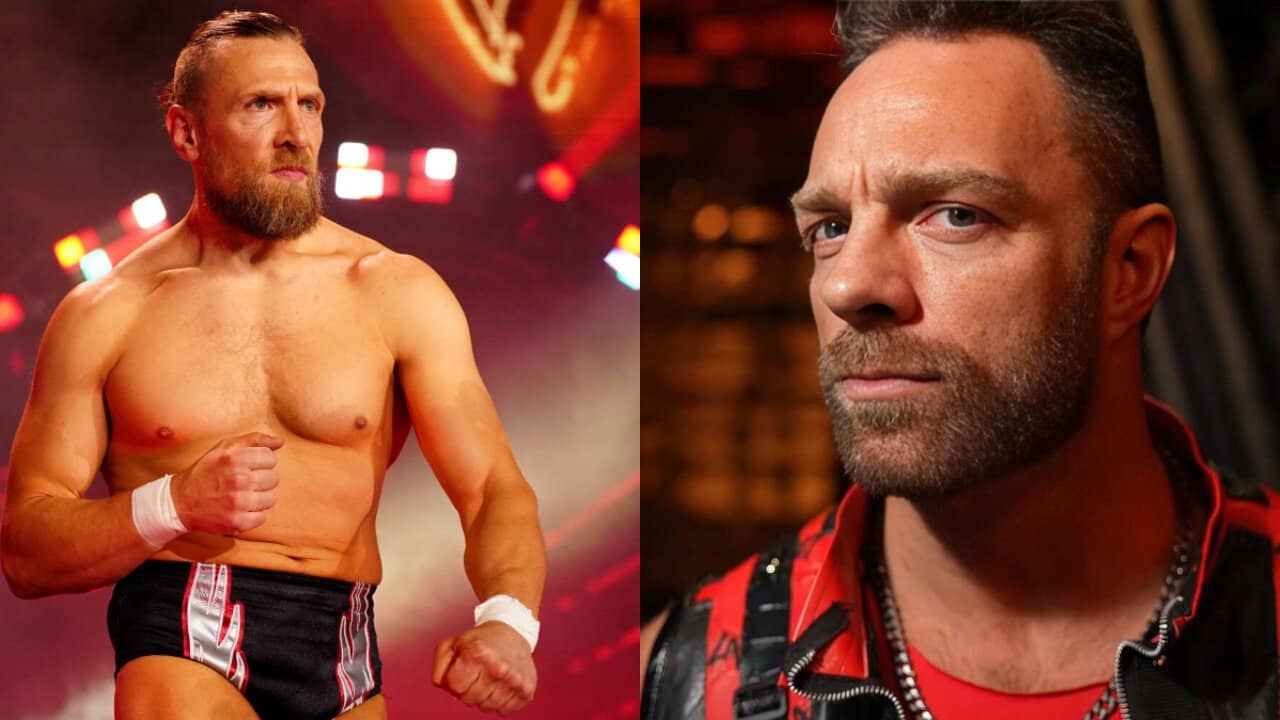
LA Knight turns viral frustration into a merchandise play
3 hours agoMore Match Reports
Dakota Kai's Year Off Proves WWE's Creative Is Broken
2 months, 2 weeks ago
The Dakota Kai rebranding experiment is headed for a dead end
1 month, 2 weeks ago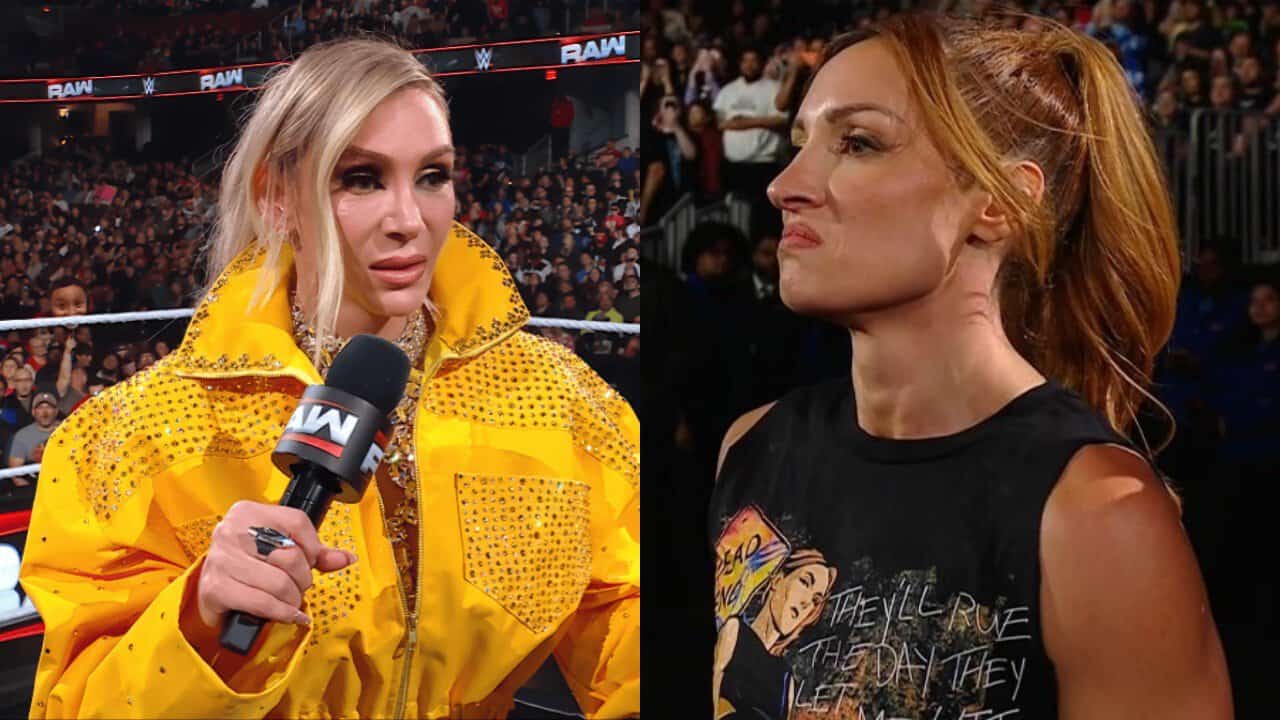
WWE is hitting the panic button with Charlotte and Becky again
1 month, 3 weeks ago
Dakota Kai faces a credibility check that goes beyond the bell
1 month, 2 weeks ago
Tiffany Stratton's booking reveals a structural flaw in WWE's mid-card
8 hours ago