A Rushed Format on A&E
WWE’s latest developmental experiment is running out of track. We are four weeks into season three of LFG on A&E, broadcasting live from the Performance Center in Orlando.
The premise was supposed to be simple. Give the deepest roster in the world a dedicated hour to work out the kinks. Let them breathe. Let them wrestle.
Instead, the May 17 broadcast was a stark reminder of everything wrong with WWE's current developmental philosophy. The talent is there. The structure is completely broken.
We watched three matches on Sunday night. Not a single one crossed the five-minute mark.
You cannot teach ring psychology in four and a half minutes. You cannot build a compelling television product when every match is structured like a speedrun.
The live crowd in Orlando wants to invest, but the formatting gives them absolutely nothing to chew on. It is television produced for a focus group that doesn't exist.
When you look at the wider wrestling calendar right now, the contrast is glaring. We are just three days away from AEW Double or Nothing.
Tony Khan is preparing to put on thirty-minute clinics in Las Vegas. Meanwhile, WWE is using national television time on A&E to run what essentially amount to dark matches. The disparity in ring time is staggering.
The Fall of Nikkita Lyons
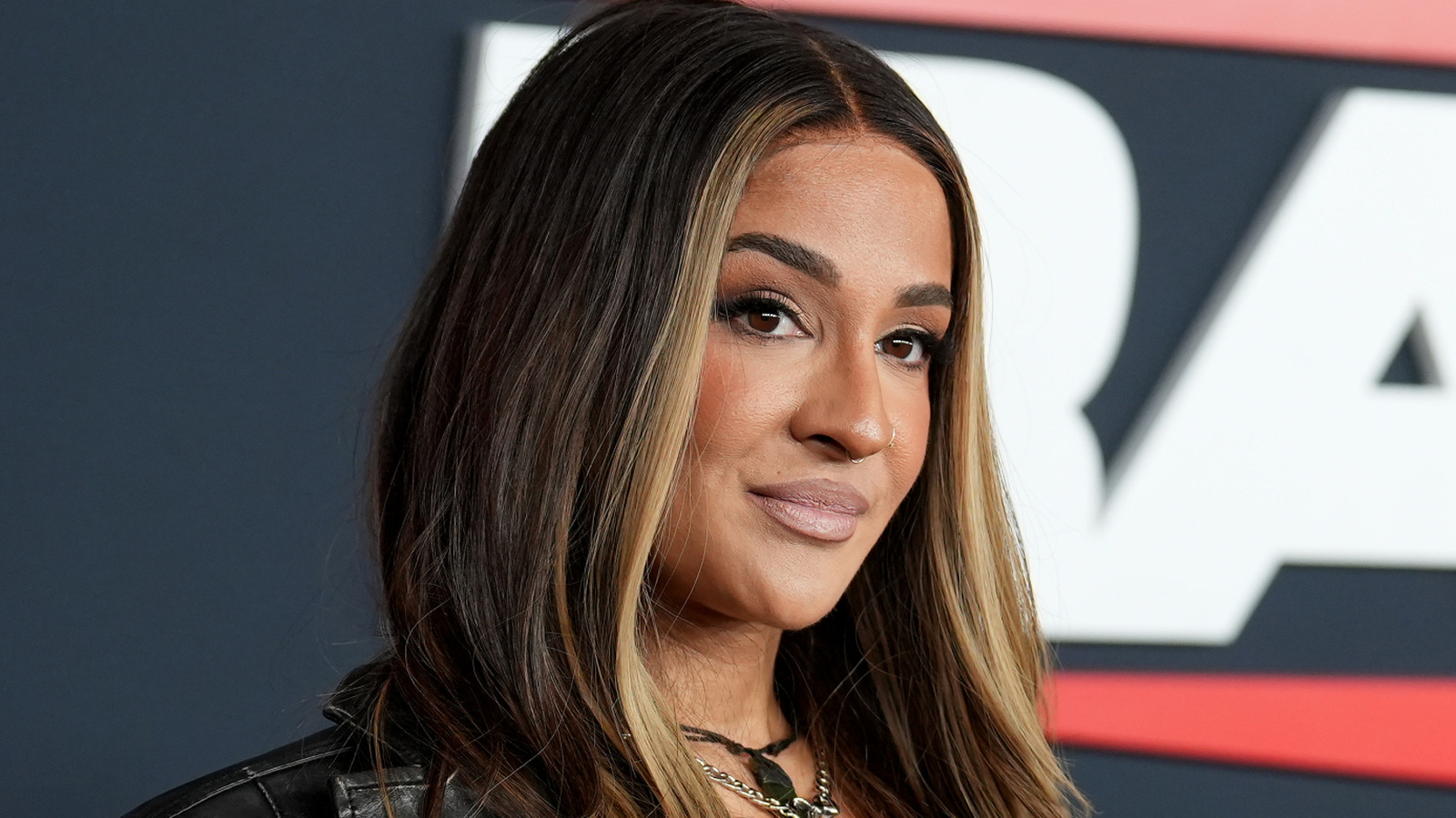
Let’s talk about the opener. Bayley Humphrey pinned Nikkita Lyons in exactly 4:45 following a chokeslam. Read that sentence again.
Three years ago, Lyons was positioned as the next dominant force in the women's division. She had the viral moments and the presentation. Now, she is taking sub-five-minute pins on a tertiary broadcast.
Humphrey looked solid, structurally speaking. The chokeslam had snap.
She used her height advantage well, cutting off the ring and forcing Lyons into the corners. But what did we actually learn about Humphrey in 285 seconds?
We learned she can hit her finisher. That’s it. We learned nothing about her cardio, her submission defense, or her ability to call a match on the fly.
There was no struggle. There was no heat segment. Lyons got exactly zero sustained offense.
She didn't even get to fire up for her signature kicks. This wasn't a match. It was an extended entrance with a bump at the end.
If WWE wants Humphrey to be a monster, she needs to beat established names in grueling, physical contests.
Squashing Lyons in four minutes just makes Lyons look completely washed. It completely devalues whatever equity Lyons had left with the Florida audience.
It also exposes a glaring hole in the booking. If Humphrey is this dominant, why is she on LFG?
Why isn't she on Monday Night Raw? The internal logic is starting to fray.
The Wilder Problem
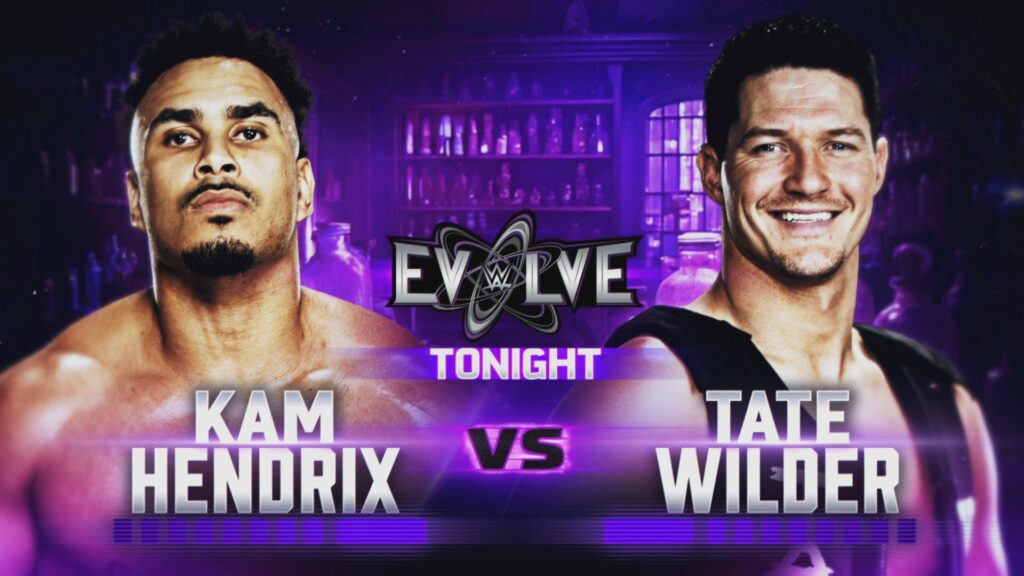
The pacing issues continued heavily into the second bout. Tate Wilder dispatched Chris Island in 4:38. The finish came via the "Wild Ride Moonsault."
It’s an impressive visual. Wilder gets incredible height, tucks late, and lands clean. Technically, the execution is flawless.
But again, we run into the structural wall of the LFG format. Wilder is a high-flyer who relies on sequence building.
His entire offensive identity is based on stringing together complex aerial maneuvers to disorient his opponent. You cannot do that in under five minutes.
You are forcing a marathon runner to sprint a hundred-meter dash.
Island was a complete non-factor here. He bumped around, fed Wilder for his spots, and stayed down for the moonsault.
Island is capable of much more, but he was reduced to a tackling dummy. His footwork was messy, clearly rushing to get into position for Wilder's high spots before the hard television break.
It’s a complete waste of A&E television time. If you are going to put these guys on live television, let them show the audience what they can actually do.
Wilder needs a foil. He needs someone who can ground him, work over a limb, and force him to fight from underneath. Instead, he got an exhibition.
Monroe's Quick Work
The final broadcast match saw Chantel Monroe defeat Zena Sterling. Monroe hit a Codebreaker for the win.
The match time wasn't officially listed on the main graphic, but it fit the exact same disappointing pattern as the rest of the night. Quick lockup, a brief flurry of strikes, the signature move, and the pinfall.
Monroe definitely has potential. Her striking is crisp, and the Codebreaker variation she uses has a nasty, sudden impact.
She snaps the opponent's posture down violently. Sterling sold it beautifully, collapsing immediately on impact and staying completely limp for the three-count.
But it all feels completely hollow. Without time to establish stakes, the matches are just physical exhibitions.
Sterling is a talented grappler, but she barely got to lock up before the finish sequence was triggered. The referee was visibly checking his earpiece, clearly receiving the call to wrap it up.
WWE has to realize that LFG is bleeding momentum. Season three was billed as a proving ground for the future of the company.
Right now, it’s just a conveyor belt of rushed finishes and shallow booking. The Orlando crowd sat on their hands for most of this match. You can't blame them.
The Tactical Void
What is most alarming about these sub-five-minute matches is the complete absence of ring geometry. In a standard fifteen-minute television match, you see wrestlers actively working to control the center of the ring.
You see them fighting for wrist control. You see deliberate pacing designed to draw the audience into a false sense of security.
On Sunday night, all of that was thrown out the window. Bayley Humphrey didn't work over a body part to set up her chokeslam. She just hit it.
There was no psychological breakdown of Nikkita Lyons. It was just a sequence of moves performed in a vacuum.
Tate Wilder’s match suffered from the same glaring flaw. The Wild Ride Moonsault requires the opponent to be perfectly positioned between the center of the ring and the corner.
Chris Island essentially had to walk himself into position. It looked entirely cooperative. When a match is rushed, the seams show. The cooperation becomes painfully obvious.
This is developmental. The entire point of the Performance Center is to teach these athletes how to hide the cooperation.
By forcing them to sprint through their matches, WWE is explicitly preventing them from learning the most important aspect of their profession. It is a fundamental failure of the system.
Compare this to how NXT operated at its peak. Finn Bálor and Samoa Joe were given twenty minutes to breathe.
They were allowed to make mistakes, recover, and build a narrative. The LFG roster is being denied that essential learning process.
Where Does LFG Go From Here?
The core issue is that WWE is trying to cram a two-hour card into a rigid, sixty-minute television block. The A&E executives probably love the fast pace.
It leaves plenty of room for commercial breaks and video packages. The actual wrestling fan does not. If you are tuning in on a Sunday night, you want substance.
Next week needs to be radically different. The formatting needs a complete, top-down overhaul. Give Humphrey a ten-minute match.
Let Wilder tell a story in the ring instead of just hitting his spots. The Performance Center is packed with world-class athletes.
The current direction is failing the talent. It is failing the audience.
If episode five follows this exact same formula, LFG is going to lose whatever dedicated audience it has left. The clock is ticking, and WWE is running out of excuses.
You have to wonder what the talent feels backstage. You bust your ass all week in drills, only to be given four minutes on television.
It breeds resentment. It stifles creativity. The front office needs to wake up.
A Prediction for Episode 5
Looking ahead to next Sunday's broadcast, the booking committee has backed themselves into a severe corner.
They established Humphrey as an absolute dominant force. They established Wilder as an untouchable aerial threat. But they completely sacrificed the credibility of their midcard to do it.
My prediction for episode five is bleak but entirely realistic. We will get another heavy dose of squash matches.
WWE rarely pivots mid-season without a major external catalyst. Nikkita Lyons will likely be left off the card entirely, forced to sell the chokeslam injury.
Humphrey will get another showcase against an unnamed developmental talent.
Wilder will likely face someone slightly bigger, only to hit the Wild Ride Moonsault again in five minutes. The wheel will keep turning, and nobody will actually get over.
As for Chantel Monroe, expect her to get a similar treatment. She will probably get another brief spotlight, hitting that nasty Codebreaker on someone like Zena Sterling again.
We are watching athletes run in place on national television. It is a terrible disservice to the roster.
Until whoever is pulling the strings in the back decides to change the pacing, LFG will remain the most frustrating hour in professional wrestling.
The talent deserves better. The fans deserve better.