Why WWE Evolve episode 61 proves the developmental pipeline needs a reset
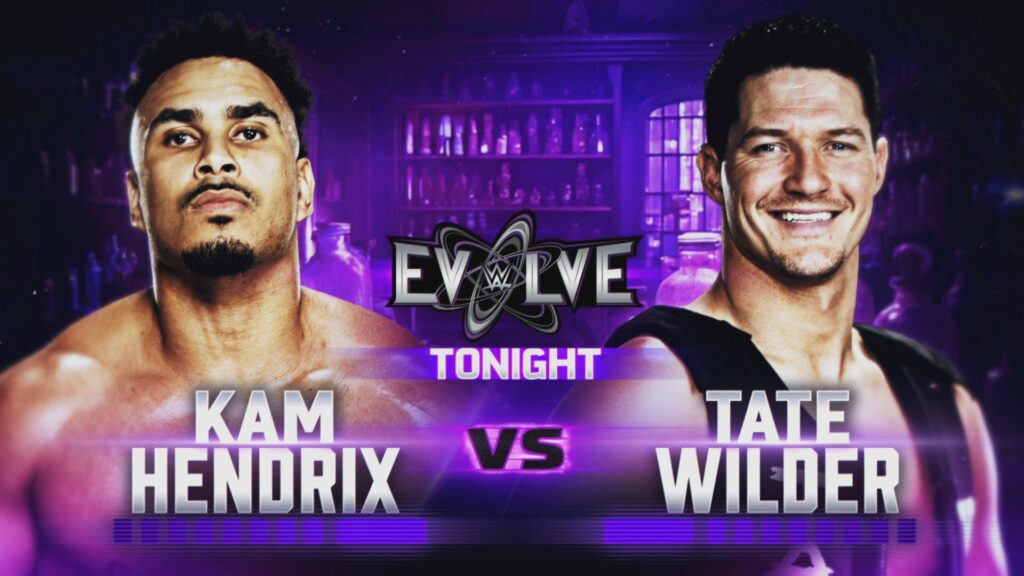
Broadcasting from the Bunker
The 61st episode of WWE Evolve aired on May 20, 2026, and it immediately highlighted the strange duality of modern developmental wrestling. Emanating from the WWE Performance Center in Orlando, Florida, the show represents the rawest edge of the company's talent pipeline. Yet, the distribution strategy tells a different story. Airing on Tubi in the United States and YouTube everywhere else, Evolve is quietly experimenting with accessibility in a way the main roster simply cannot. The Tubi deal is particularly fascinating. By placing its tertiary brand on a free, ad-supported streaming television platform, WWE is making a calculated bet. They are essentially testing whether hardcore wrestling fans will migrate to non-traditional apps for niche content, while also hoping the algorithm feeds matches to casual scrollers.
This split broadcast model creates a weird viewing experience. If you are watching on Tubi, the ad breaks dictate the pacing of the matches. If you are watching on YouTube internationally, the integration feels slightly disjointed. But from a purely corporate standpoint, it makes sense. The Performance Center has always operated as a laboratory. Now, that laboratory extends to television rights and streaming habits. As BodySlam reported regarding the episode 61 results, the show delivered exactly what you expect from this setting: fast matches, heavy character work, and a sterile atmosphere that desperately needs a live, paying crowd to generate authentic heat.
The Anatomy of a Four-Minute Sprint
The women's division provided the clearest example of Evolve's current booking philosophy, for better and for worse. Layla Diggs defeated Anya Rune in exactly 4:19. Let us unpack that duration. Four minutes and nineteen seconds is an incredibly tight window to tell a coherent story inside a wrestling ring. In that time, performers are forced to rush through their feeling-out process, condense their heat segment, and rush directly into the comeback. It forces a frantic pace that often looks choreographed rather than competitive.
Diggs secured the victory via a Moonsault, which is a significant bump to take in a sub-five-minute match. The Moonsault remains one of the most beautiful and high-risk maneuvers in the business, but its impact is heavily dependent on context. When a wrestler climbs to the top rope after thirty minutes of grueling offense, the crowd anticipates the finish. When that same wrestler climbs the ropes barely four minutes after the opening bell, the move feels rushed. It becomes a spot rather than a conclusion. Diggs executed the move cleanly, which speaks highly of her athleticism. She clearly has the physical tools required for the next level. However, the booking did her no favors. You cannot teach ring psychology in four-minute sprints.
Anya Rune took the loss here, and she is the unfortunate victim of this format. Taking a top-rope finisher that early in a bout makes the loser look fragile. If Evolve is truly about development, the talent needs reps. They need to learn how to manage a crowd through a rest hold, how to pace a ten-minute technical exchange, and how to build anticipation. When you compress everything into an elongated highlight reel, you train athletes to perform spots instead of wrestling matches. Diggs gets her hand raised, but neither woman leaves the ring having learned how to truly dictate the tempo of a broadcast segment.
The Burden of the ID Championship
The main talking point from episode 61 revolves around the WWE ID Champion, Chazz Hall. He faced CJ Valor in a non-title match, a booking trope that remains one of the most frustrating crutches in professional wrestling. Hall picked up the win via what the results simply noted as a 'Shootin' maneuver — likely a variation of a Shooting Star Press or a similar high-impact sequence. The victory itself was never in doubt, but the decision to make it a non-title affair raises questions about how Evolve values its own championships.
A non-title match fundamentally lowers the stakes before the bell even rings. It tells the audience that the champion is in action, but the ultimate prize is protected. In a developmental setting, this is overly cautious. If CJ Valor is not credible enough to challenge for the WWE ID Championship, he should not be in the ring with the champion. If he is credible, then put the belt on the line and let the performers deal with the pressure of a championship setting. By removing the title from the equation, you remove the very tension that makes a main event feel important. The crowd in Orlando knows the title isn't changing hands, so their investment drops significantly.
Hall looked impressive despite the lack of stakes. He wrestles with a chip on his shoulder, bringing a level of intensity that stands out among the current crop of Performance Center recruits. His finishing sequence was crisp, shutting down Valor's limited offense with authoritative speed. Valor played his part well, selling heavily and making Hall look like a dominant titleholder. But this is where the criticism of the Evolve product feels most earned. The match was functionally a squash wrapped in the presentation of a competitive bout. It filled television time without advancing a compelling narrative for either man.
The Performance Center Vacuum
This brings us to the most glaring issue with WWE Evolve right now: the venue itself. The WWE Performance Center was a lifesaver during the pandemic, but in 2026, broadcasting a weekly wrestling show from this building feels entirely counterproductive to talent development. The environment is sterile. The lighting is uniform. The crowd consists mostly of friends, family, and other trainees who are instructed to make noise. It is an echo chamber that provides zero accurate feedback to the wrestlers in the ring.
When Chazz Hall hit his finisher, the reaction was polite applause rather than genuine excitement. When Diggs landed her Moonsault, the pop was manufactured. Professional wrestling relies on the symbiotic relationship between the performer and a paying audience. A real crowd will tell you instantly if a hold is boring, if a heel is actually hated, or if a babyface comeback is falling flat. Evolve operates in a vacuum where every reaction is artificial. The talent is learning how to perform for television cameras, but they are not learning how to manipulate a live arena. This is a massive blind spot in the developmental process. You can hit a perfect Moonsault in Orlando, but if you don't know how to pause and milk the reaction from ten thousand people in an arena, the move is meaningless.
A Crossroads for the Pipeline
As we move deeper into the spring of 2026, WWE finds itself at a crossroads with this tertiary brand. The Tubi distribution is smart business, putting the product in front of cord-cutters and casual viewers. The talent pipeline is clearly stocked with incredible athletes like Diggs and Hall. But the structural decisions surrounding Evolve are actively hindering the growth of these performers. The booking relies too heavily on compressed sprints and protective non-title matches. The environment is actively detrimental to learning genuine crowd psychology.
Evolve episode 61 was a perfectly competent hour of wrestling television. The moves were executed safely, the broadcast hit its commercial breaks on time, and the champions stood tall. But competence should not be the ceiling for a developmental brand. If WWE wants these athletes to eventually main event premium live events, they need to take the training wheels off. Give the women ten minutes to tell a real story. Put the ID Championship on the line. Most importantly, get these wrestlers out of the Orlando bunker and in front of crowds that actually bought a ticket. Until then, Evolve will remain an interesting streaming experiment rather than a true proving ground.
WWE Elite Collection Series 109 The Rock Action Figure
Highly articulated action figure for fans who want to recreate iconic spots.
Frequently Asked Questions
Where can I watch WWE Evolve episode 61?
When did WWE Evolve episode 61 air?
Who won the match between Layla Diggs and Anya Rune?
Why does the Performance Center hurt the atmosphere of WWE Evolve?
How does the four-minute match format impact WWE developmental talent?
More Coverage
Top 10: Wrestling Moments That Changed How We Watch
13 hours agoDanhausen's NYC street march highlights the changing nature of wrestling reach
17 hours ago
NXT's injury curse is officially turning into a nightmare
1 day, 10 hours ago
The end of the wrestling bidding war era
2 days, 5 hours agoHang up the boots, big guy: It’s time to face the curtain
2 days, 12 hours agoLudwig Kaiser's legal nightmare just got a lot uglier
3 days agoMore Analysis

WWE EVOLVE is spinning its wheels in the Performance Center
1 month, 2 weeks ago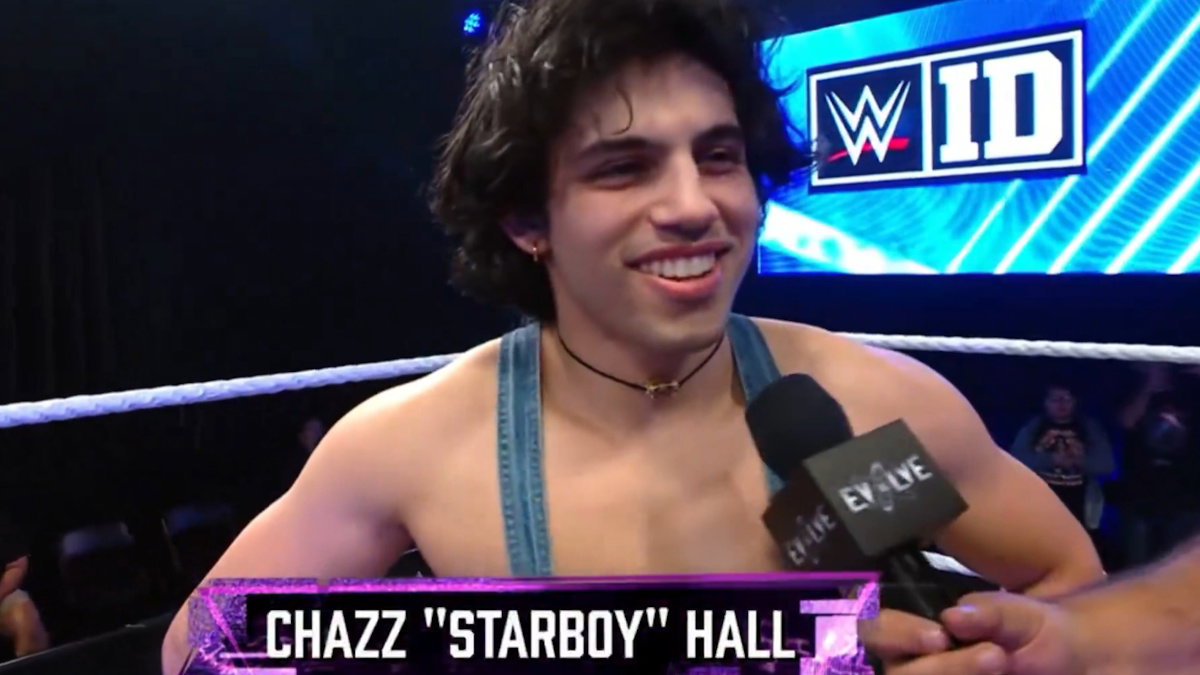
WWE Evolve’s latest talent injection is a masterclass in volume booking
3 months, 2 weeks ago
WWE EVOLVE is basically a fancy house show for the Performance Center
3 weeks, 2 days ago
WrestleMania 41 is the ultimate test of WWE’s performance center pipeline
3 months ago
Why WWE's 33-day tape delay for EVOLVE is an absolute disaster
2 months, 3 weeks ago