The Administrative Limbo of the Beast Incarnate
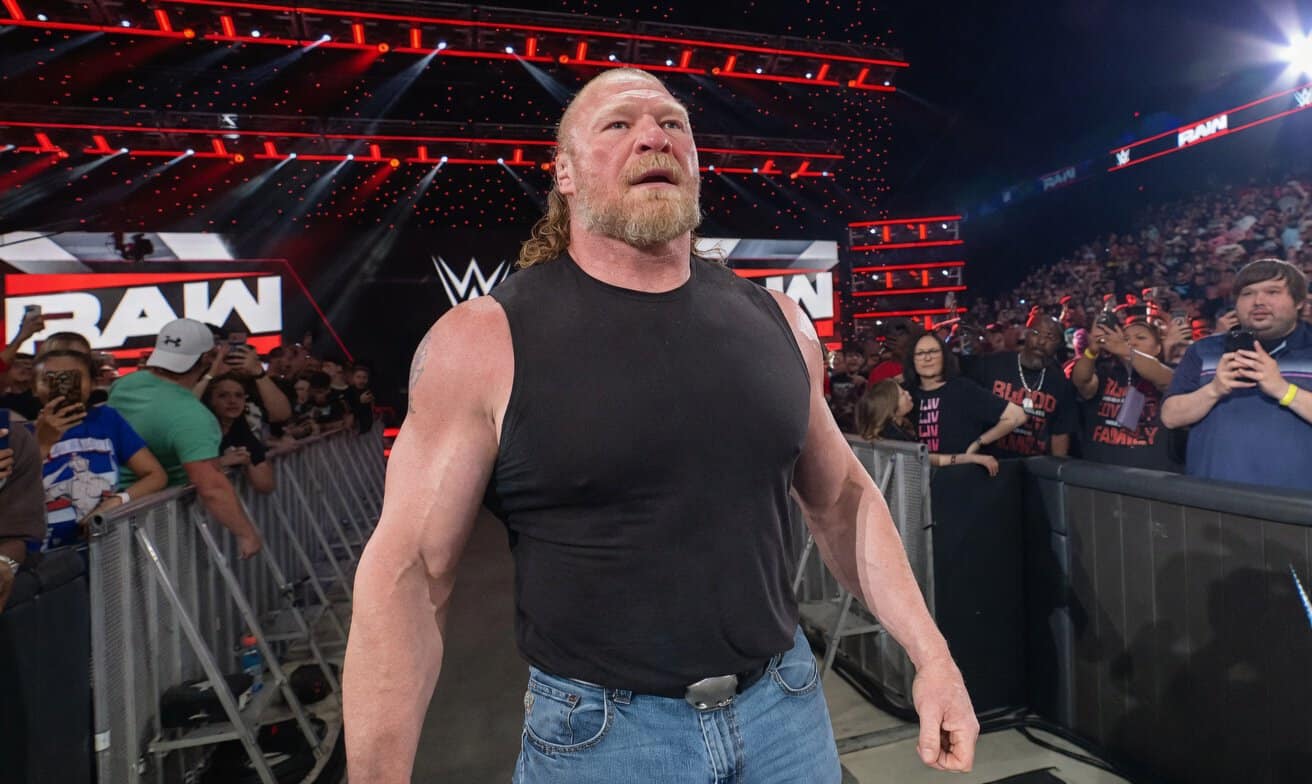
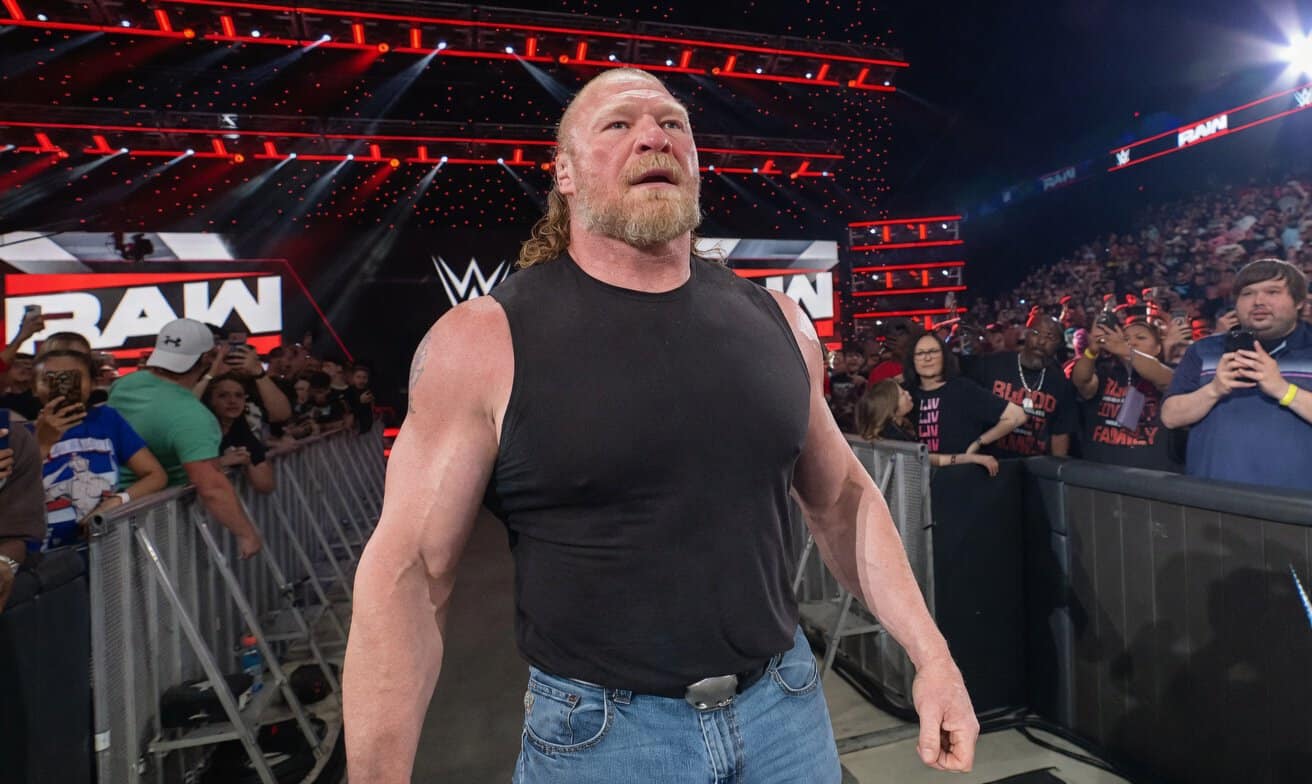
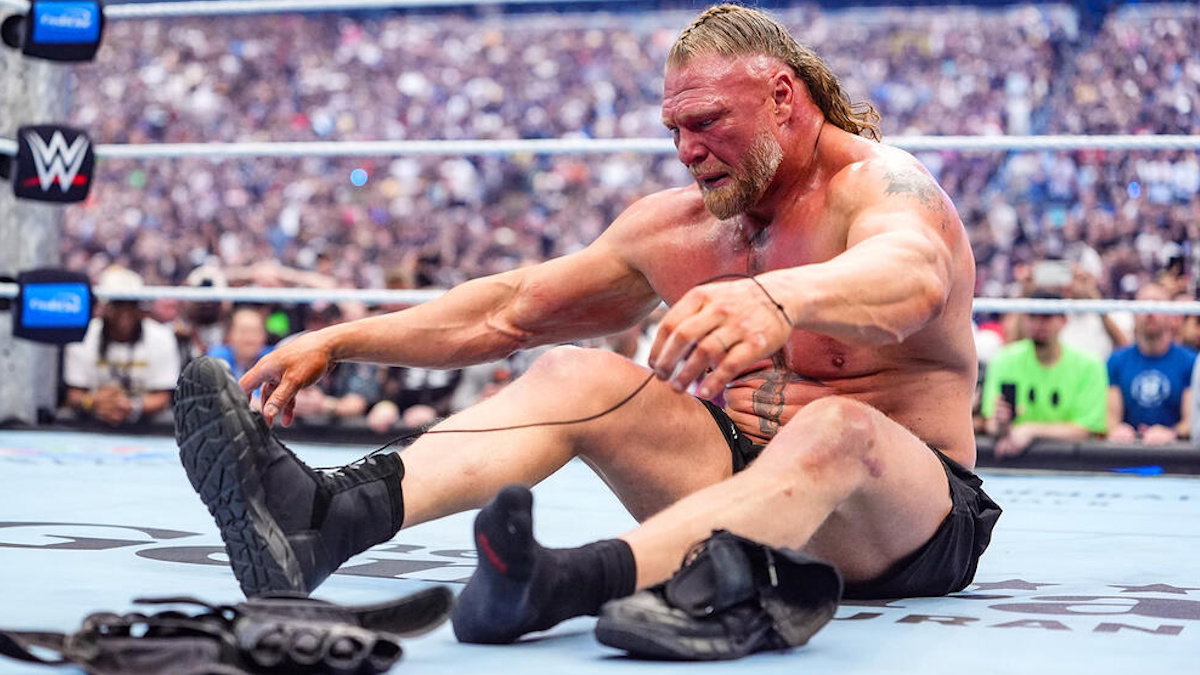
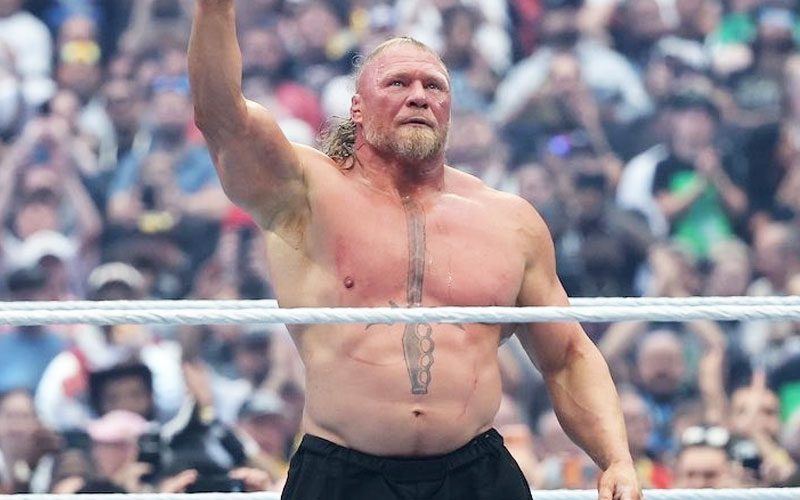
In the world of professional wrestling, the distance between the digital storefront and the backstage reality is often measured in miles. As of Wednesday, May 13, 2026, Brock Lesnar finds himself trapped in that specific administrative gap. The WWE website team recently shuffled Lesnar into the Alumni section, a move that usually signals a permanent exit or a transition to a legacy contract. Yet, internal reports suggest a different story is playing out in the talent relations office.
According to reports from Wrestling Inc, Lesnar remains listed as an active performer on the company’s internal roster. This isn't just a clerical error; it is a tactical choice. The Alumni section is the public-facing graveyard for active careers, but the internal list is what determines budget allocation, creative planning, and merchandise licensing. By keeping him active internally, WWE retains the ability to "break glass" at a moment's notice for a major stadium show.
This discrepancy highlights a growing trend in the TKO era of WWE management. The company is increasingly using its digital platform as a PR smokescreen. Moving Lesnar to Alumni allows the corporate office to distance themselves from any lingering controversies or creative stagnation associated with his name, while simultaneously keeping his contract on the books for a potential SummerSlam return. It is a win-win for the balance sheet, even if it leaves the fans in a state of perpetual confusion.
The Evolution from Rising Star to Protected Asset
To understand why WWE is so hesitant to actually move Lesnar to the permanent Alumni list, one has to look at the historical trajectory of his career. A recent retrospective from PWTorch examined Lesnar alongside legends like Sting, looking back at his days as the "Next Big Thing" in 2002. The difference between that hungry, explosive powerhouse and the 2026 version of the Beast is stark, but the tactical value remains high.
In 2002, Lesnar was a tactical marvel because of his volume. He was working a full-time schedule, delivering 15-minute clinics that blended NCAA heavyweight wrestling with freakish athleticism. Today, Lesnar’s matches are designed with the efficiency of a controlled demolition. He doesn't wrestle; he executes a series of high-impact maneuvers designed to minimize his time in the ring while maximizing the perceived violence of the encounter. His current "Suplex City" blueprint is a masterpiece of workload management.
The Suplex City Shot Chart
If we look at the data from Lesnar's last three major appearances, the pattern is undeniable. He averages roughly 1.8 German suplexes per minute of active match time. He rarely takes more than two significant bumps before hitting his first F5. This is not the work of a man who is finished; it is the work of a man who has optimized his physical output to extend his career well into his late 40s. The internal roster listing reflects this longevity.
Contrast this with someone like Sting, whose recent retirement was a definitive, hard-coded exit from the industry. Sting's journey was about the finality of the art form. Lesnar's journey has become about the preservation of the brand. He is a mercenary in the truest sense, and mercenaries don't go to the Alumni section until the checks stop clearing. As long as he is internally active, the threat—or the promise—of one more F5 remains on the table.
The Critical Failure of the Holding Pattern
However, there is a distinct downside to this "active but invisible" status. It creates a vacuum in the main event scene. When a talent as massive as Lesnar is technically available but creatively absent, it prevents the company from fully committing to a new monster heel. We have seen this play out with the stop-and-start booking of several mid-card powerhouses who are constantly compared to a man who isn't even in the building.
The move to the Alumni section on the website was likely a half-hearted attempt to clear that air, but the internal reality undermines it. It feels like lazy management. If Lesnar is active, he should be integrated into the narrative, even if only through video packages or Paul Heyman’s advocacy. Keeping him in this limbo state is a disservice to the roster members who have to carry the weekly 1,400-match odometer of the touring schedule while he sits on a farm in Saskatchewan.
Furthermore, the lack of transparency is starting to grate on the hardcore audience. In 2026, fans are more aware of roster mechanics than ever before. When Ringside News reports on these internal shifts, it makes the public-facing website look like a work. Professional wrestling is built on "the work," but usually that applies to what happens between the ropes, not what happens in the CMS of the corporate website.
The Tactical Path to a Summer Return
If we assume the internal roster listing is the true north for Lesnar’s future, we have to look at the calendar. We are currently 11 days away from AEW Double or Nothing, but more importantly, we are entering the build for WWE’s summer season. The eight minutes of a typical modern Lesnar match are more valuable in July and August than at any other time of the year. The company needs a bridge to the fall, and Lesnar is the sturdiest bridge they own.
Tactically, the move would be to pit him against a rising star who can handle the physical toll of a Lesnar squash while benefiting from the proximity to his aura. Bron Breakker is the obvious candidate. The parallels are too strong to ignore: the collegiate wrestling background, the explosive speed, the legitimate power. A match between the two wouldn't need a complex story; it just needs the internal roster to match the public one for once.
Final Prediction: The Beast Returns
My call is this: Brock Lesnar will not remain in the Alumni section for long. By the time the UCL Final kicks off on May 28, I expect we will see the first seeds of his return planted on Monday Night Raw. The internal roster listing is the only piece of evidence that matters. Everything else is just digital set dressing. WWE is waiting for the right moment to justify his $5 million per-appearance valuation, and that moment is rapidly approaching.
He will return for a three-match stint starting in July, likely culminating in a high-profile loss that finally allows the company to move him to the Alumni section for real. Until then, stop checking the website for updates. The real news is hidden in the spreadsheets of the talent relations department, where the Beast is still very much alive and well.
Read Next