The shift toward mainstream optics
Professional wrestling occupies a peculiar space on television. It relies on internal logic, continuity, and the physical output of its roster to maintain long-term engagement. Lately, the WWE brass seems captivated by an alternative metric: mainstream crossover clout.
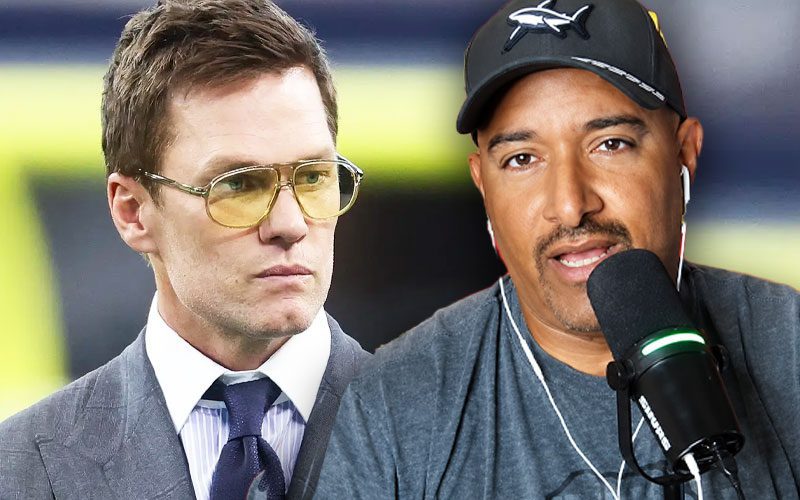
Jonathan Coachman recently voiced his frustration regarding this trajectory, specifically citing the uncomfortable intersection of the company with former NFL quarterback Tom Brady. The concern is not personal animosity toward Brady. Rather, it centers on the thinning line between athletic storytelling and celebrity vanity projects.
When a promoter prioritizes a guest appearance over the development of a mid-card feud, the audience feels the detachment. We have seen this cycle before, where the constant influx of non-wrestlers serves to dilute the product’s core appeal.
Tactical inconsistencies in the booking room
Modern booking suffers when celebrity segments occupy 20% of a three-hour window. This is not about being a purist; it is about efficiency. If the goal is long-term retention, high-ceiling matches must take precedence over short-term social media clips.
Consider the logistical drain. When production budgets and promotional energy shift to accommodate a celebrity, the internal roster inevitably suffers from decreased screen time. You cannot build a believable challenger for a title in a three-minute backstage segment that is abruptly cut to facilitate a guest cameo.
We are witnessing a drift in the company’s internal hierarchy. The value of a wrestler's narrative arc is increasingly subservient to a quick press hit. This mirrors the statistical volatility currently found in TNA, where superficial spikes in interest rarely translate to a sustained increase in core, paying viewership.
The danger of guest-heavy television
Performance art thrives on internal consistency. When an outsider arrives without a history, the existing talent often looks like background furniture. This weakens the perceived stakes for the entire roster.
The administrative side of the business appears to be losing its grip on the importance of building secondary stars. Much like the erratic decision-making inside AEW, the focus on celebrity optics suggests a lack of confidence in the current product’s ability to generate its own heat.
Expecting a celebrity cameo to solve a slump is a short-sighted strategy. It creates a temporary buzz but destroys the internal prestige of the championship. If the WWE continues to lean on this crutch, the long-term impact on fan loyalty will decline.
Prediction: A cold reality check
The current reliance on external validation is unsustainable. I expect the next quarterly review to show a dip in active, domestic viewers as the core audience grows tired of watching celebrities mimic wrestling moves rather than seeing established pros compete for title contention.
The company will likely chase one more big name for a PLE later this year. It will draw headlines in the mainstream press for 24 hours, then fade from the public consciousness while the core product remains stagnant. Keep your eyes on the 18-34 demographic metric in the weeks following the next marquee guest spot. That is where you will see the true cost of this obsession.