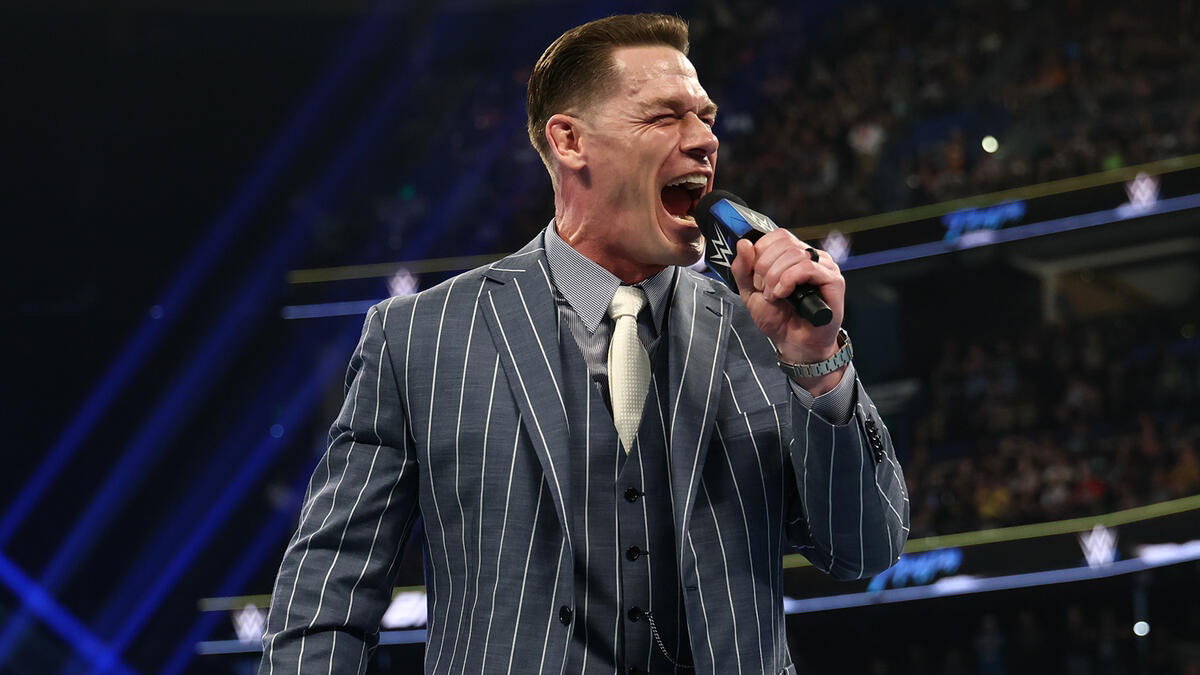
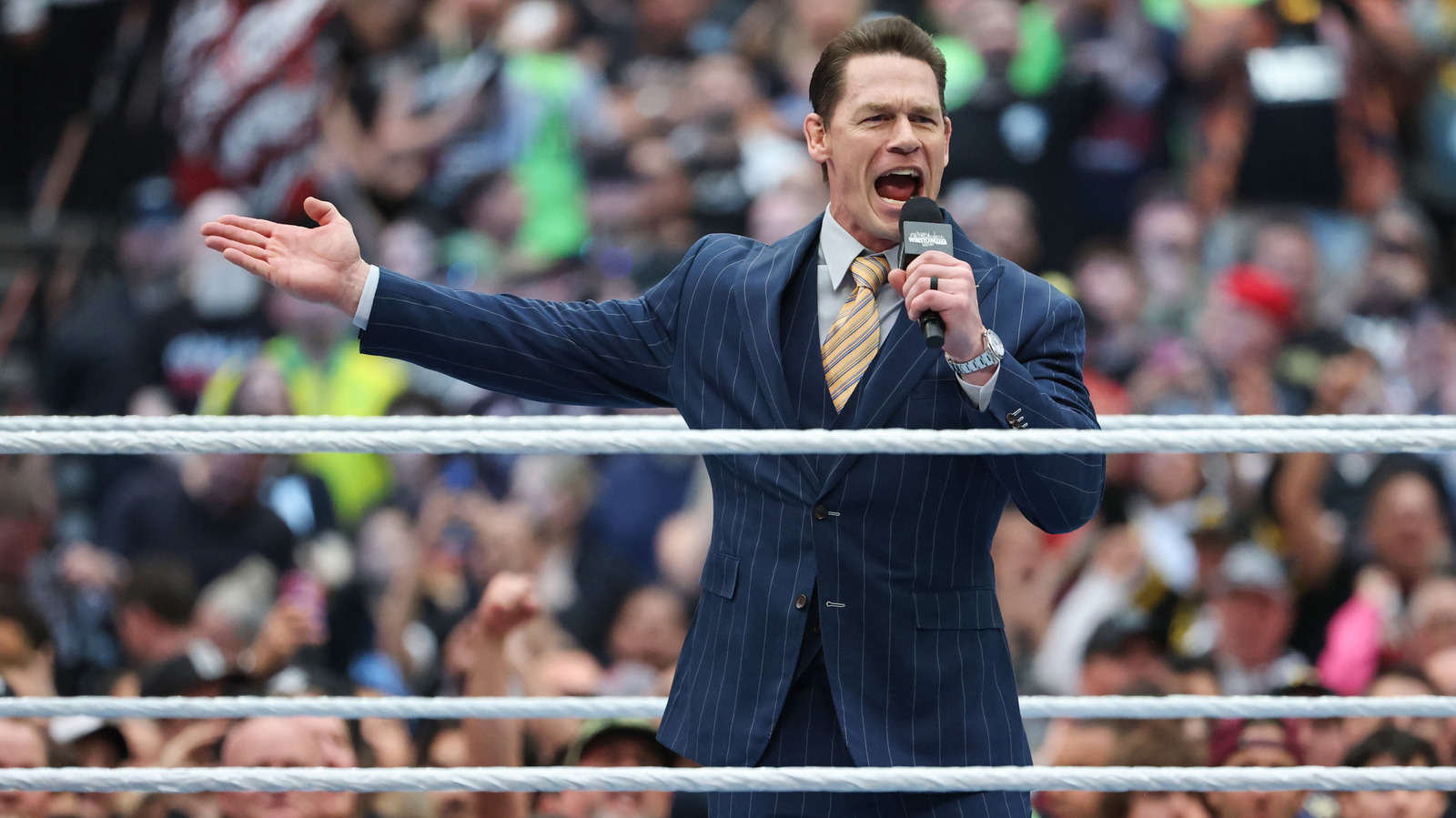
The era of the singular savior is dead
For twenty years, WWE booked itself into a corner by making everything revolve around John Cena. When he took his ball and went to Hollywood, the company didn't collapse. Instead, it finally learned how to build a roster that doesn't require a single point of failure.
We spent a decade watching the product stagnate under the weight of the Cenation. Remember the 2014 SummerSlam main event where Brock Lesnar hit sixteen suplexes to finally stop the machine? That wasn't just a match; it was a desperate attempt to reset a show that had become allergic to new stars.
The depth chart is deeper than ever
Look at the card today. We have Cody Rhodes, Gunther, Seth Rollins, and LA Knight all operating at a main-event level. None of them share the same DNA as Cena, and that is exactly why this era feels healthier. The reliance on one guy meant that if he got hurt or took a movie role, the top of the card felt like a void.
Gunther, specifically, has proven that you do not need to cut a twenty-minute promo about hustle, loyalty, and respect to hold the crowd in the palm of your hand. His 666-day Intercontinental title run did more for the credibility of the mid-card than anything Cena did between 2005 and 2010. The 666 days remain the gold standard for modern booking.
The missed opportunities of the past
Cena was a workhorse, sure, but his dominance came at a cost. Remember how many talented guys were fed to him during his prime? Wade Barrett and The Nexus were a white-hot act until they were systematically dismantled at SummerSlam 2010. That loss killed the momentum of an entire stable that could have carried the company for years.
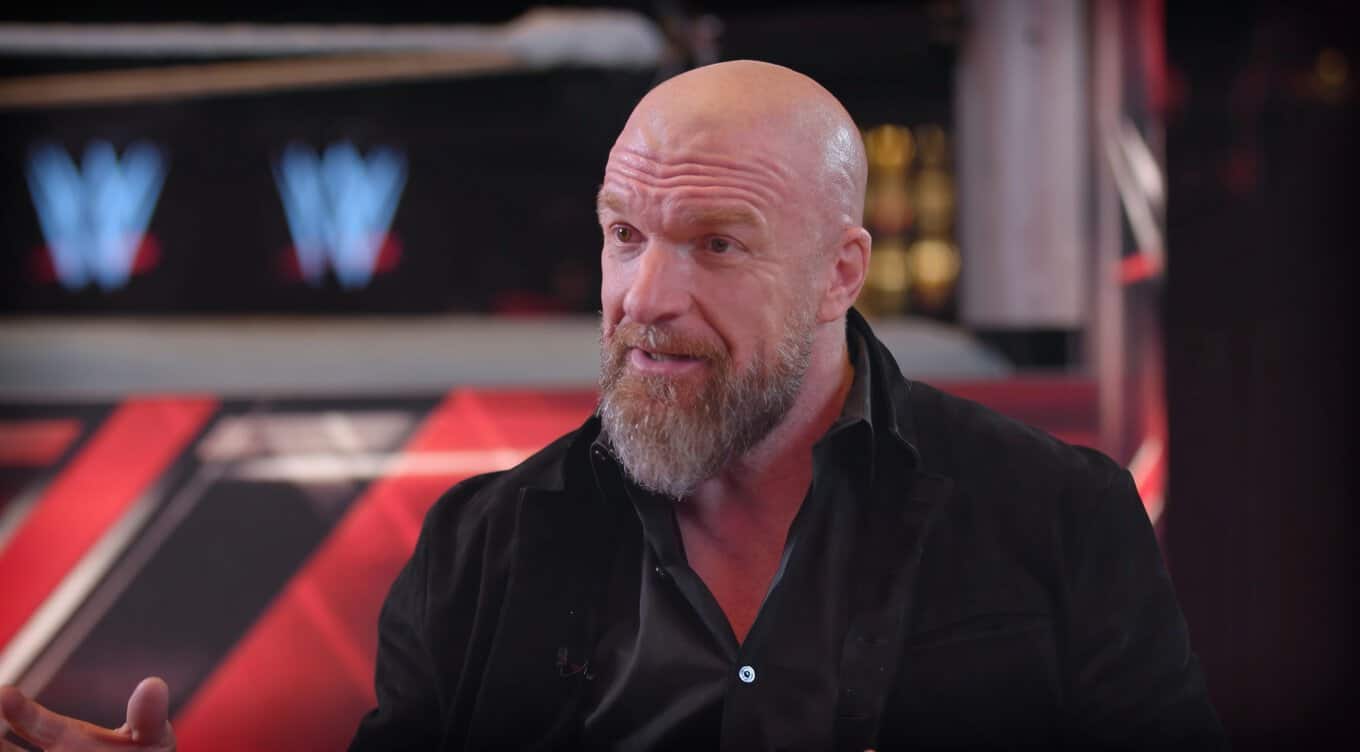
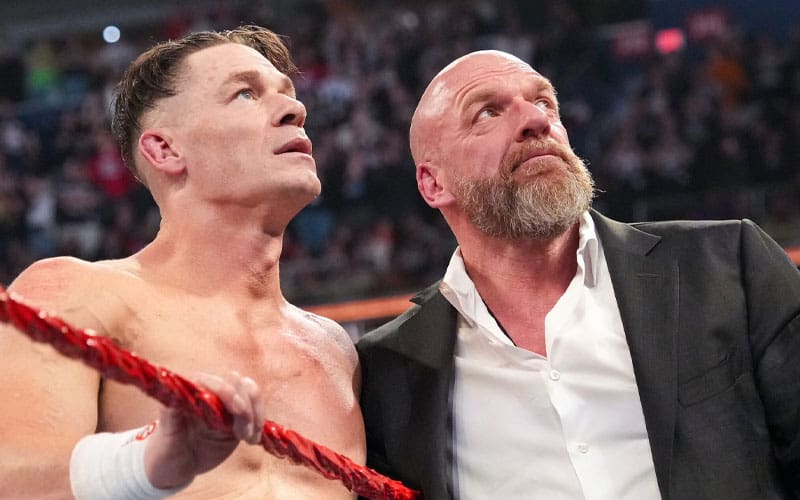
If you look at recent WWE programming, you see a departure from that style. Triple H’s booking philosophy favors long-term character arcs over the short-term gratification of a singular hero overcoming impossible odds. It is a more sustainable model, even if it lacks the massive crossover reach that Cena provided.
Why the final farewell doesn't hurt
Cena retiring is not a tragedy. It is a closing of the ledger. The company has successfully transitioned into a modern sports-entertainment brand where the brand itself is the biggest draw. Sure, the casuals might tune out without the familiar jorts and music, but the hardcore base has never been more engaged.
As ESPN noted in their coverage of the farewell tour, the focus is now on the next generation. The transition is already happening. We saw it when Roman Reigns moved from the Shield into his tribal chief persona, and we see it now with the rise of Bron Breakker and Ilja Dragunov.
We don't need a replacement. We don't need another guy to put on the wristbands and hold the belt for three hundred days a year. We need the current variety, where anyone from Chad Gable to Drew McIntyre can feasibly main event a premium live event. The Cena era was a spectacle, but the post-Cena era is a business.
Read Next
- John Cena was never meant to be your favorite wrestler
- Gunther at Bash in Berlin 2026 is the biggest risk WWE has taken in years
- WWE is repeating the same mistake with Drew McIntyre in Europe
- Top 10: The Most Defining Moments in Wrestling History
- 🏆 WrestleMania 41 — Full Coverage Hub
- 👴 John Cena Retirement Tour 2026