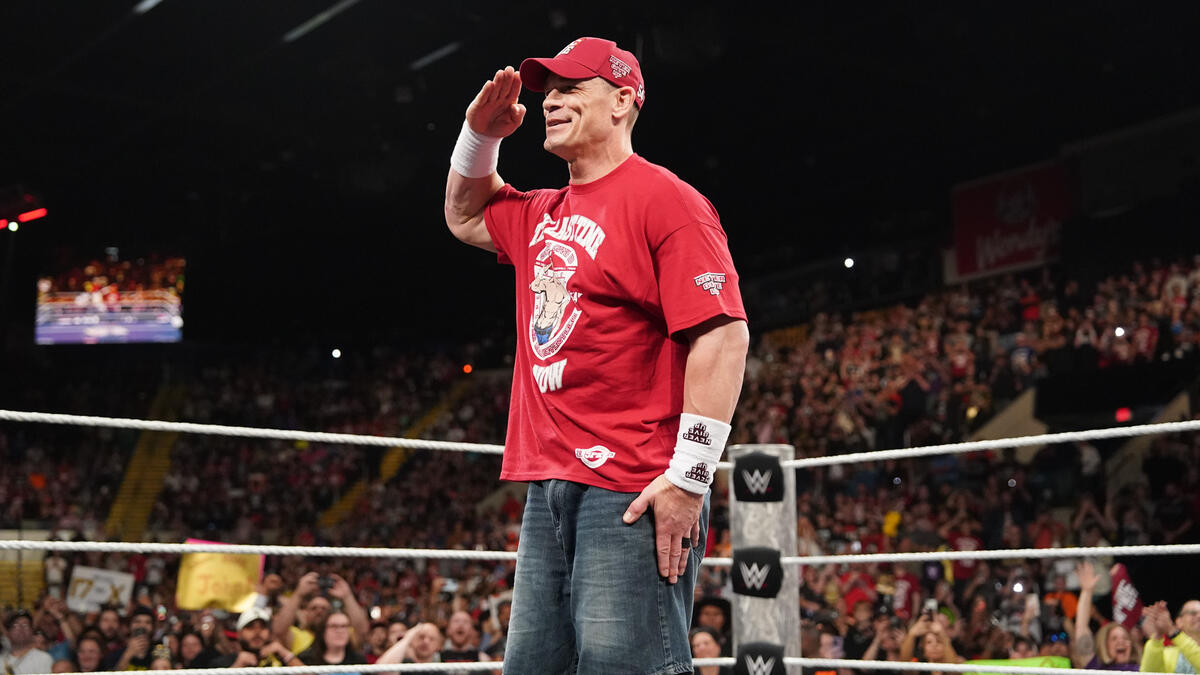
The end of the Doctor of Thuganomics
John Cena announcing his full-time departure for 2026 feels like the final chapter of a book that has been open since 2002. We watched him transform from a generic bodybuilder into the polarising figure who defined the Ruthless Aggression and PG eras. He carried the company on his back during the dark years of 2008 through 2012 when the roster depth was arguably the shallowest in modern history.
This retirement isn't just about putting over younger talent; it's about closing the loop on a career that started with a slap to the face of Kurt Angle. He survived the boos in Chicago and the vitriol of the internet wrestling community to become the most successful crossover star in the business. WWE is currently operating at a financial peak, and Cena is the last remaining bridge to the Vince McMahon era that still draws a massive mainstream audience.
What the 2026 tour really costs the roster
There is a glaring issue with this farewell tour that nobody wants to address. By dedicating an entire calendar year to honoring Cena, WWE is effectively freezing the momentum of the current main event scene. We saw this play out during his part-time returns against Roman Reigns or Austin Theory at WrestleMania 39. Despite the spectacle, these matches often result in a temporary lull for the full-time stars who have to step aside for nostalgia.
Cena has never been shy about his desire to elevate the next generation, but the booking reality is often messier. Look at his 2023 stint where he squashed the potential of Theory, only to leave and have the momentum evaporate immediately. If the 2026 tour becomes a series of legends matches against guys like Randy Orton or AJ Styles, it will be a colossal waste of time. He needs to lose every single televised match he has, clean as a whistle, to someone who actually needs the rub.
The risk of the final goodbye
The greatest concern for 2026 is the lack of a definitive successor. While Cody Rhodes has taken the mantle, the gap between Cena's cultural reach and the rest of the roster remains wide. Cena is a 16-time world champion, a number that carries weight because of the decade of dominance he exerted over the industry. Without his presence, WWE loses its last true utility player who can work a promo segment, put over a talent, and remain a marquee draw simultaneously.
WWE management has to be careful not to turn 2026 into a self-congratulatory parade. If the creative direction focuses too heavily on replaying his greatest hits, the new blood will look like supporting characters in his movie. Fans want to see the future, not just hear the music of the past. As ESPN reports on the shifting nature of televised sports, the audience is increasingly impatient with stagnant storylines. If Cena spends his final year just collecting accolades rather than building stars, the company will face a massive creative vacuum in 2027.
The final verdict
Cena’s legacy is secure regardless of how this ends. He survived the transition from the Attitude Era to the modern streaming age, a feat few others achieved. Whether he goes out with an 0-10 record in his final year or a dramatic title change, the priority must be the long-term health of the brand. If he ends his career by putting over a guy like Bron Breakker or Carmelo Hayes in the main event of his final show, he will have done his job perfectly. Anything less is just ego.
Read Next
- John Cena's 16 title reigns: The case for quality over quantity
- John Cena is the only wrestler who actually nailed the Hollywood pivot
- CM Punk is finally on the path to a WrestleMania main event
- Cena vs Orton was the repetitive rivalry we deserved
- 🏆 WrestleMania 41 — Full Coverage Hub
- 👴 John Cena Retirement Tour 2026