The Double-Edged Sword of Creative Control
Wrestling history is littered with cautionary tales about giving talent too much control. When a wrestler gets red-hot, the natural inclination for management is to step back. You let them cook. You let them call their own shots. Sometimes you get the Summer of Punk. Other times, you get the convoluted mess of the "Fiend" Bray Wyatt.
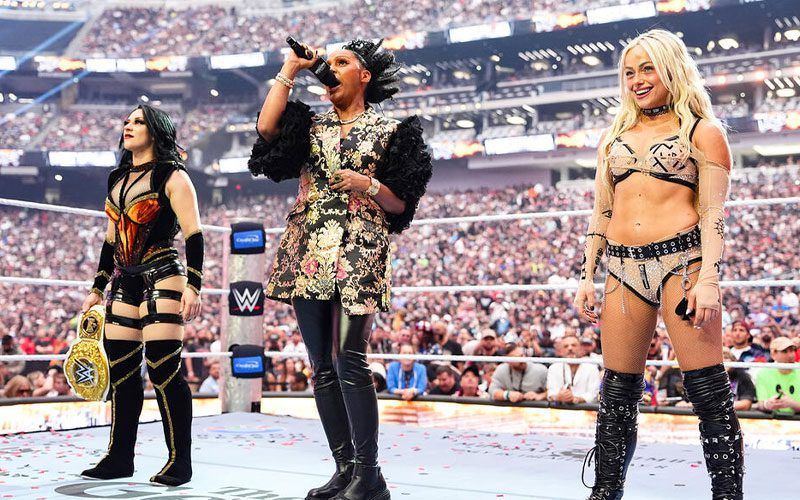
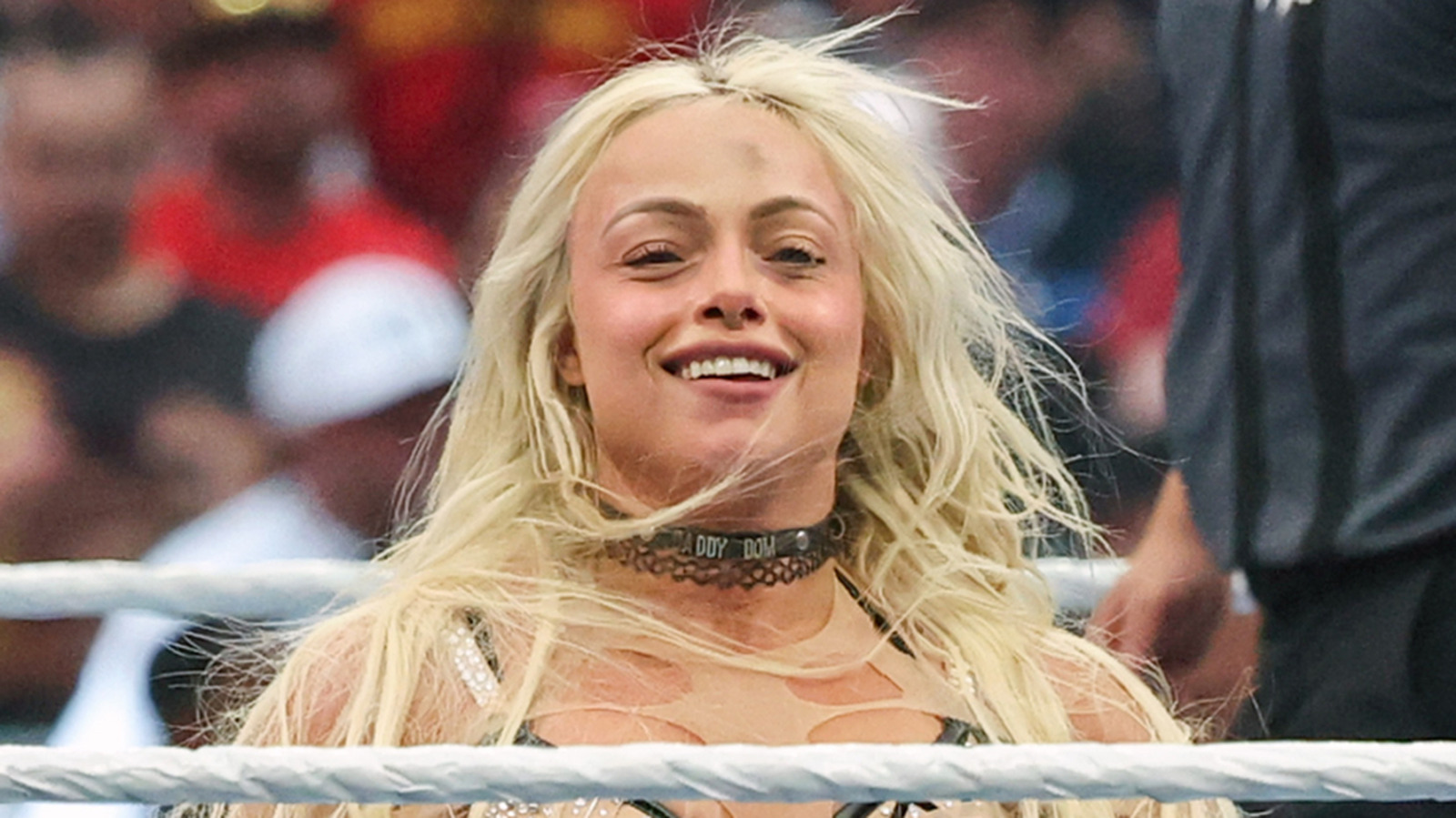
Right now, WWE Women’s World Champion Liv Morgan is sitting squarely in that danger zone. Following the release of her "Trouble" music video, the chatter hasn't just been about her character work. It's been about the unprecedented leash she's currently operating with.
As WrestleTalk recently covered, Morgan was shockingly blunt about the production of the video.
"They let me have the ball,"she stated. That is a massive admission in a company historically known for micromanaging every single frame of television.
She pitched the concept, heavily influenced the aesthetics, and essentially directed her own hype package. It worked. The video is slick, obnoxious, and perfectly encapsulates the arrogant, entitled champion persona she's been cultivating. But there is a massive difference between producing a great three-minute vignette and booking a compelling world title program.
With WWE Backlash 2026 looming on May 9, we are about to find out if Morgan knows what to do with the ball now that she has it.
Breaking Down the "Trouble" Aesthetic
To understand where Morgan's reign is heading, you have to look at the details of the "Trouble" release. It wasn't just a standard WWE production truck job. The editing felt frantic, mimicking the rapid-fire cuts of TikTok rather than the cinematic, slow-motion heavy packages WWE usually relies on. It was designed specifically to irritate older fans and mobilize her younger base.
That is brilliant character work. Morgan understands her demographic better than almost anyone on the roster right now. She knows that acting like a spoiled pop star generates legitimate, grating heat from the traditional wrestling audience. They don't just want to see her lose; they want her to shut up.
But here is the glaring flaw in this approach. Character work only carries you until the bell rings. Eventually, you have to wrestle a match that reflects the story you've been telling. And recently, Morgan's in-ring work has felt completely disconnected from her out-of-ring presentation.
We saw this during her recent television defenses. She spends twenty minutes cutting a promo like a manipulative mastermind, only to wrestle a standard, back-and-forth babyface style match. There is a massive disconnect. If you are going to be the cunning, manipulative champion who directs her own music videos, you cannot be doing fiery comebacks and trading forearms in the center of the ring.
The Shadow of Rhea Ripley
You cannot analyze Liv Morgan's current reign without acknowledging the massive, leather-clad shadow looming over the entire division. Rhea Ripley didn't just hold the Women's World Championship; she defined it. Ripley's matches were brutal, physical, and easy to understand. She was the monster. You had to slay the monster.
Morgan, by contrast, is trying to be the intellectual heel. She wants to outsmart her opponents rather than outmuscle them. In theory, this is the perfect pivot. You never try to replace a monster with another monster. But the execution has been heavily flawed.
Ripley's matches worked because her physical offense matched her intimidating aura. When she hit a Riptide, it looked devastating. Morgan's offense simply does not carry that same weight. Her reliance on the ObLIVion—a springboard flatliner—requires a massive amount of cooperation from her opponent. It looks choreographed. When you are trying to portray a calculating villain, relying on a finisher that requires your opponent to stand perfectly still and wait for you to bounce off the ropes completely breaks the illusion.
This is where the creative freedom begins to actively hurt her. If Morgan had an old-school producer breathing down her neck, they would likely force her to change her finish. They would tell her to adopt a submission hold or a sudden, nasty strike that fits her new persona. Instead, because she has the ball, she is clinging to the moveset that got her over as an underdog babyface, even though it actively contradicts her current heel presentation.
The Trap of Self-Indulgence
This is exactly what happens when talent gets too much creative input without a strong producer to rein them in. They focus entirely on the aesthetic and forget the fundamentals of match psychology. Cody Rhodes fell into this trap during his final year in AEW. He was booking himself in elaborate, melodramatic epics that looked great on a poster but completely exhausted the live crowd.
Morgan is drifting toward that exact same iceberg. She is so focused on the "Trouble" branding and the overarching narrative that the actual wrestling matches feel like an afterthought. When you are given the ball, the temptation is always to do too much. You want to show every facet of your character. You want every segment to be a cinematic masterpiece.
But wrestling at its core requires simplicity. The heel does something bad. The babyface fights back. The crowd cheers. Right now, Morgan's segments are starting to feel like a high school drama project rather than a fight build.
Look at her recent interactions with the rest of the division. Instead of building physical animosity, she's relying on snarky backstage comments and pre-taped segments. It is safe. It protects her character's aura, but it does absolutely nothing to sell pay-per-view buys or make her challengers look like credible threats.
Predicting the Backlash Disaster
This brings us to WWE Backlash on May 9. Morgan is walking into a title defense riding the high of her creative success. She has the ball, and she is going to call her own play. My prediction? It is going to be a massively overbooked mess.
When you look at the trajectory of her recent booking, every sign points toward a heavy reliance on smoke and mirrors. Here is exactly what to expect:
- Multiple, poorly timed run-ins from mid-card talent to artificially pad the runtime.
- A referee bump that completely kills the momentum and pacing of the match.
- Morgan using a prop directly related to the "Trouble" music video to secure a cheap victory.
And while that might work for Twitter clips, it is going to severely damage the credibility of the Women's World Championship. A title reign cannot survive on vibes and aesthetics alone. At some point, you need a defining, gritty title defense. You need a match where the champion actually looks like they survived a war, not just a chaotic script.
The Verdict: Retention Through Chaos
Let's put hard numbers on it. I am giving Morgan an 85 percent chance of retaining at Backlash. WWE is not going to pull the plug on her reign right after she successfully pitched and executed a major creative project like the "Trouble" video. They are invested in this experiment.
But the retention will come at a cost. The finish will be universally panned by critics. The live crowd will likely turn on the match entirely if it devolves into a sluggish, interference-heavy slog. Morgan will keep the belt, but she will lose a significant amount of goodwill from the hardcore fanbase.
Having the ball is great. But if you spend the entire game showing off your dribbling skills instead of taking a shot, the fans are going to turn on you. Morgan is about to find out that creative freedom is a privilege that can be revoked just as quickly as it was granted. Backlash won't be her masterpiece. It will be her warning sign.
Read Next