The shadow of the old regime still looms over Allegiant Stadium
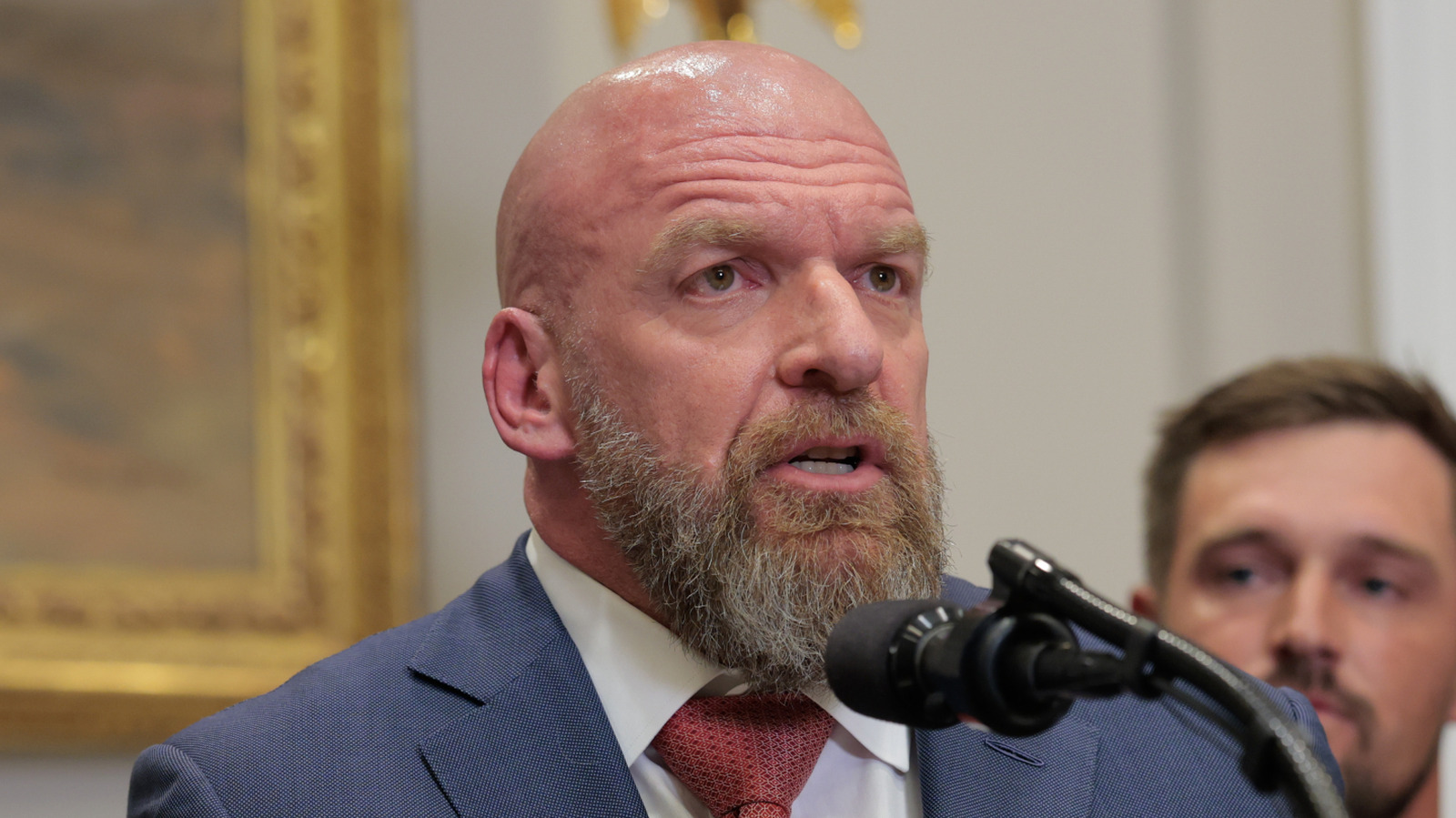
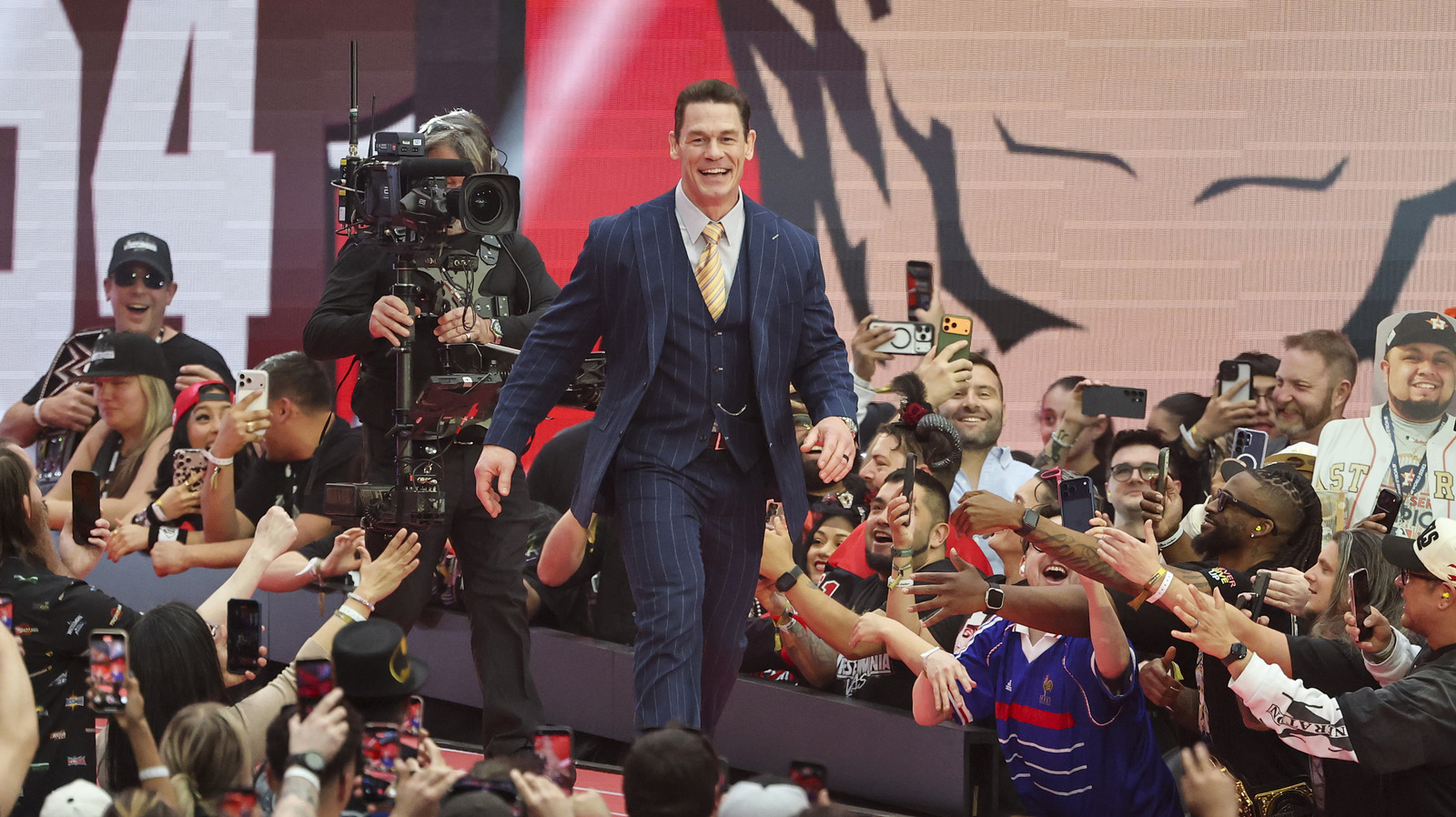
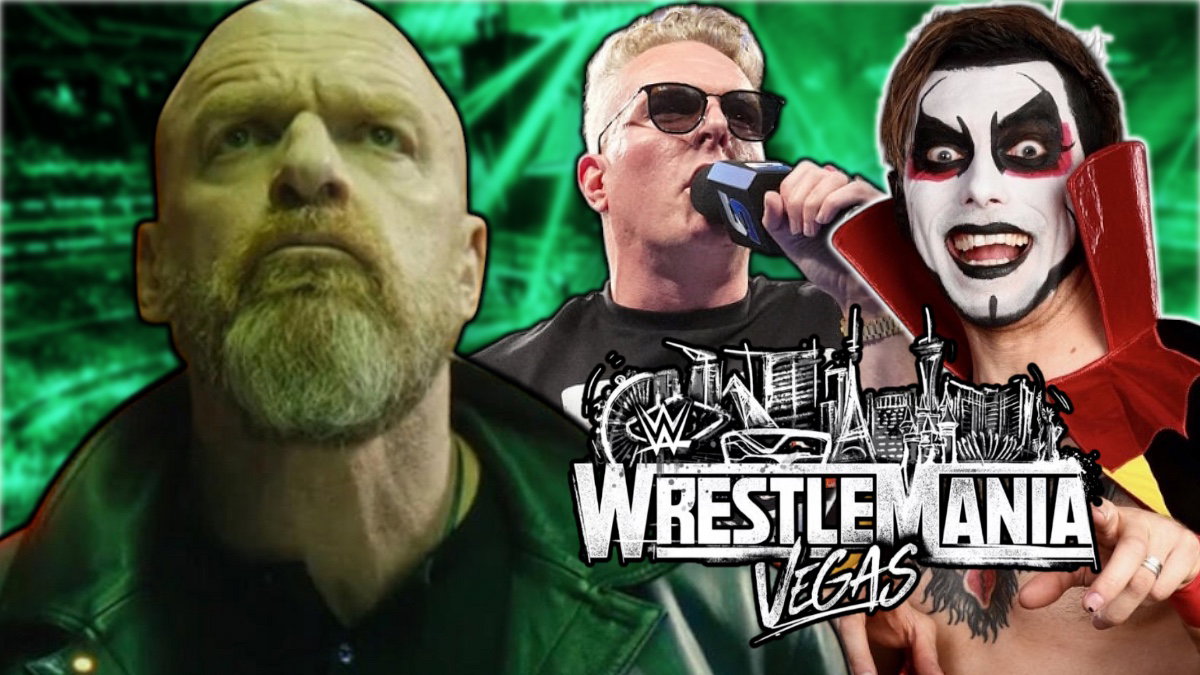
Ten days out from the biggest weekend in the industry, and the air around WWE feels distinctively heavy. It isn't just the looming presence of Allegiant Stadium in Las Vegas or the fact that John Cena is about to start his long goodbye. It is the realization that the 'Triple H Era' we have all been celebrating might have been built on a foundation of compromise. In a recent admission that should have set off alarm bells for any student of internal power dynamics, Triple H confirmed that Vince McMahon was still 'directing traffic' long after the public believed the transition was complete. As Ringside News recently detailed, the break from the past was nowhere near as clean as the slickly produced 'New Era' documentaries suggested.
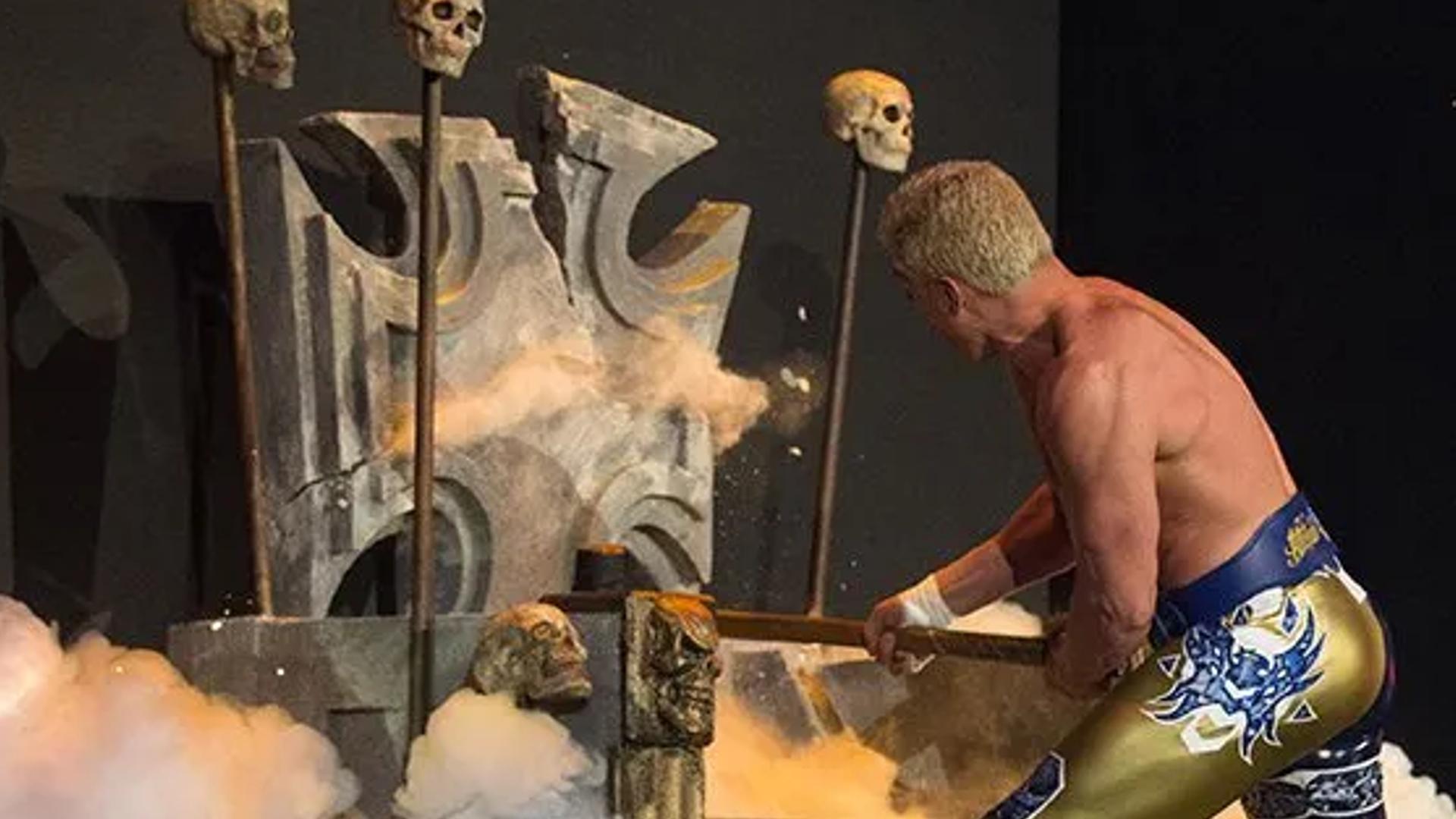
This matters because WrestleMania 41 is the first time the current administration has zero excuses. We are moving past the 'handover' phase and into a period of pure accountability. When Cody Rhodes stands across the ring from Roman Reigns on Night 2, he isn't just defending a championship; he is carrying the weight of a booking philosophy that Triple H is still trying to define. The irony isn't lost on anyone who remembers 2019. Back then, Cody was smashing a throne in a different company. Now, Triple H is claiming there was no 'serious malice' in that act. It’s a convenient piece of revisionist history that allows both men to maintain their current positions without acknowledging the genuine friction that birthed the modern era.
The end of the cookie-cutter athlete
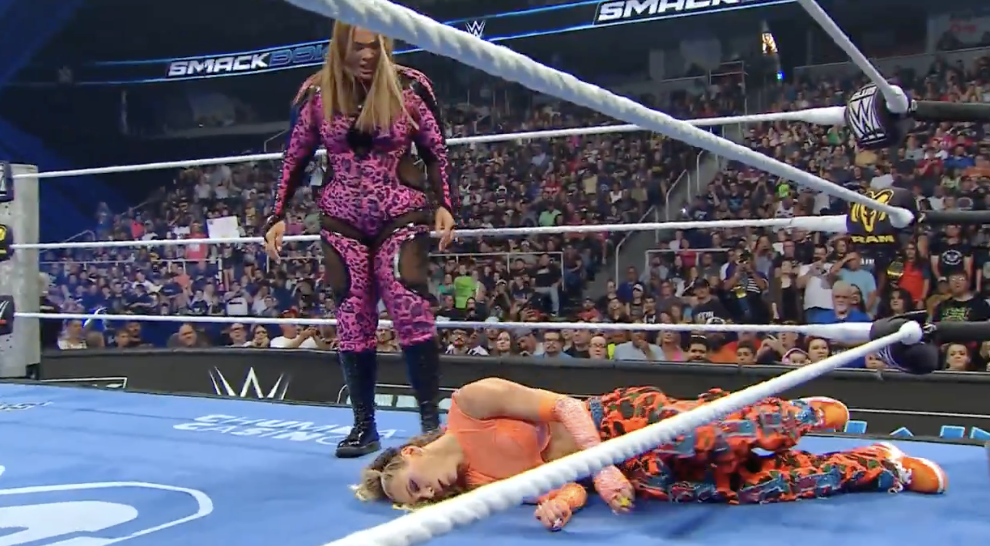
One of the more refreshing aspects of the current build is the visual diversity of the card. For decades, the McMahon preference for 'size above all' created a bottleneck at the top of the roster. If you didn't look like a Greek god or a refrigerator, you were stuck in the mid-card. Triple H has finally gone on the record to dismantle this old-school dogma. He recently stated that variety makes everything better, noting that fans want to see different builds and different styles. As reported by F4WOnline, this shift toward physique variety is a tactical necessity in a world where athleticism has evolved past the 'big man' tropes of the 1980s.
Look at the way the mid-card is currently structured. We have technicians, brawlers, and high-flyers who would have been laughed out of a production meeting ten years ago. This isn't just about 'giving everyone a chance.' It’s about match quality. A roster full of diverse body types allows for more creative pacing. You can't have five matches on a card that all look the same when you're trying to fill a stadium in Vegas. However, this variety brings its own set of problems. Some of the 'miserable talent' behind the scenes—whom Triple H has reportedly called out for being obsessed with meaningless issues—might be struggling with the lack of a clear, singular 'prototype' to follow. When the rules of the game change, those who spent years mastering the old system often find themselves left behind.
AJ Styles and the cost of the corporate transition
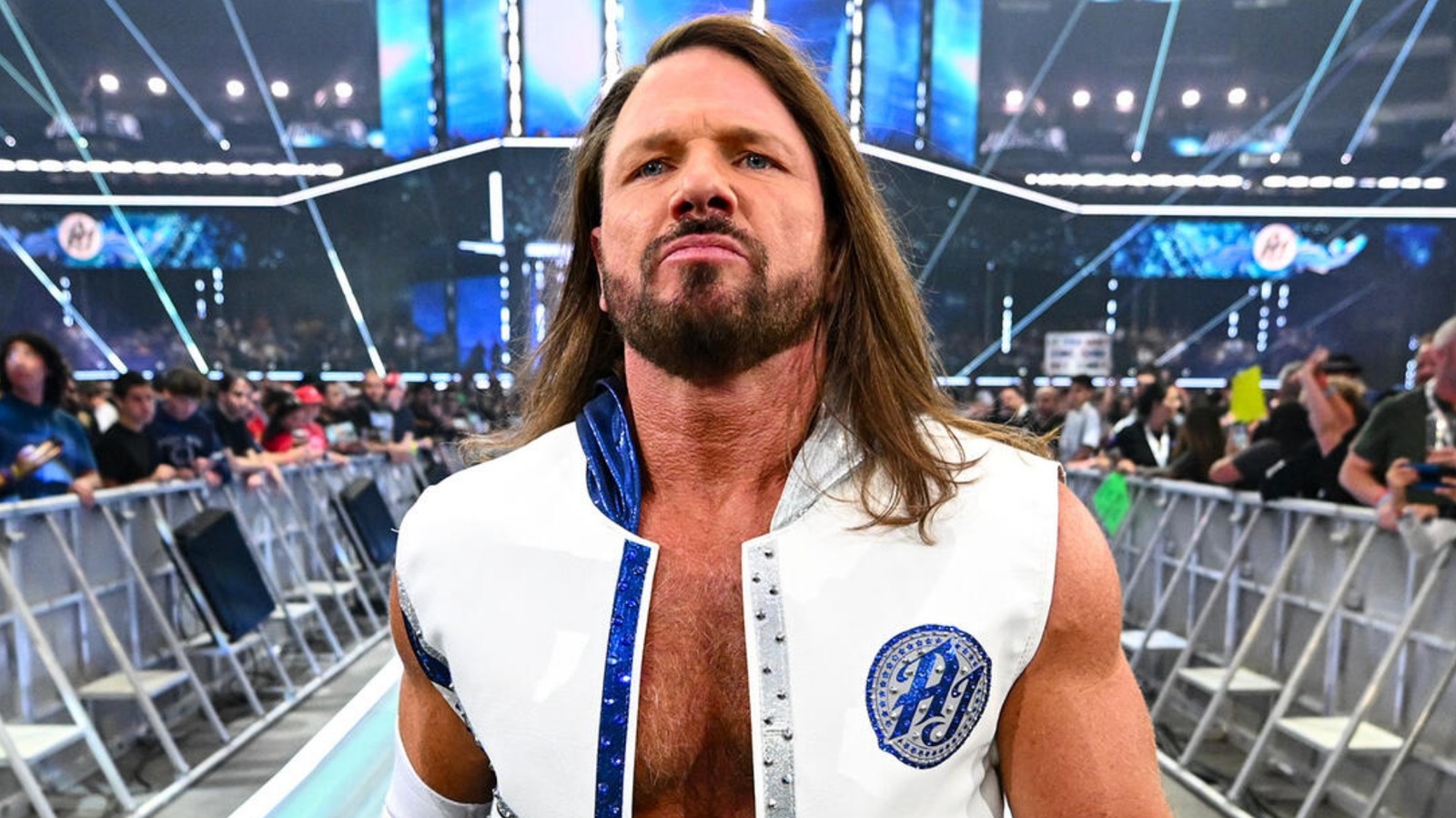
The retirement of AJ Styles earlier this year was a seismic shift for the locker room. Styles was the ultimate pro, the guy who could have a four-star match with a broomstick. His decision to stay with WWE in a talent scouting role after hanging up the boots is telling. He didn't want to be a writer. He didn't want to be a producer. He wanted to find the next generation. According to Wrestling Inc, Styles knew exactly when his time was up and was eager to wrap his in-ring career. This move illustrates the maturing of the Triple H system: legends aren't just being put out to pasture; they are being integrated into the scouting infrastructure.
But we have to be critical here. While AJ Styles finding the next big thing is great for 2029, his absence at WrestleMania 41 is a massive void. The current roster has plenty of 'physique variety,' but it lacks the pure, unadulterated work ethic that Styles brought to every single loop. There is a danger that by focusing so much on 'talent scouting' and 'variety,' the company is losing the grit that defined the 2010s. If the scouting department, now led by guys like Styles, starts looking for the 'next AJ' instead of the 'first whatever-is-next,' we'll be right back where we started—just with smaller guys instead of giants.
The locker room friction and the 'miserable' factor
There is a growing divide in the back that we need to address. Triple H has been vocal about his frustration with talent who focus on the wrong things. In a business where everyone is a brand and every tweet is scrutinized, the focus has shifted from 'how do I get better in the ring' to 'why isn't my merch being pushed more.' This is the dark side of the 'New Era.' When you give talent more freedom, you also give them more rope to hang themselves with. The 'miserable talent' HHH referenced are likely those who feel the 'traffic directing' from the Vince era has simply been replaced by a different, more subtle kind of corporate management.
David Otunga’s recent comments about his short-lived commentary stint remind us that WWE has always been a revolving door of experiments. Whether it's at the announce table or in the main event, the company is constantly throwing things at the wall. The difference now is that the wall is bigger and the stakes are higher. With WrestleMania 41 being the centerpiece of a massive Netflix deal and a global expansion, the pressure to maintain a 'happy' locker room is immense. But as any manager knows, a locker room where everyone is happy is a locker room that isn't competitive enough. Friction creates diamonds, and right now, the friction in WWE is mostly occurring in production meetings and on Discord servers rather than in the ring.
The Prediction: A Bloodline implosion in the desert
So, where does this leave us for Las Vegas? The main event of Night 2—Cody Rhodes vs. Roman Reigns for the WWE Championship—is the most predictable and yet the most stressful match on the card. Cody is the corporate face, the man who smashed the throne only to become the king’s favorite subject. Roman is the ghost of the old regime, the final project of the Vince McMahon 'traffic directing' era. This isn't just a rematch. It is a battle for the soul of the company's future direction. If Cody wins, the transition is 'official.' If Roman wins, it proves that the old ways of the Bloodline still carry more weight than the 'New Era' slogans.
Expect chaos. Expect the Bloodline to finally, truly fracture. We have seen 'near-implosions' for three years, but Vegas is the place where the house finally wins. The Rock’s involvement is the wild card, but the real story is Jey and Jimmy Uso. They are the ones who have to decide if they are 'miserable talent' or part of the 'variety' that Triple H keeps talking about. My call? Cody Rhodes retains after 32 minutes of grueling, psychological warfare. The match will finish with a Cross Rhodes that doesn't just win a belt, but finally puts the ghost of the throne smash to rest. Cody isn't just the champion; he is the guy who survived the transition. He is the first true Triple H champion who isn't just a 'Vince guy' in a suit.
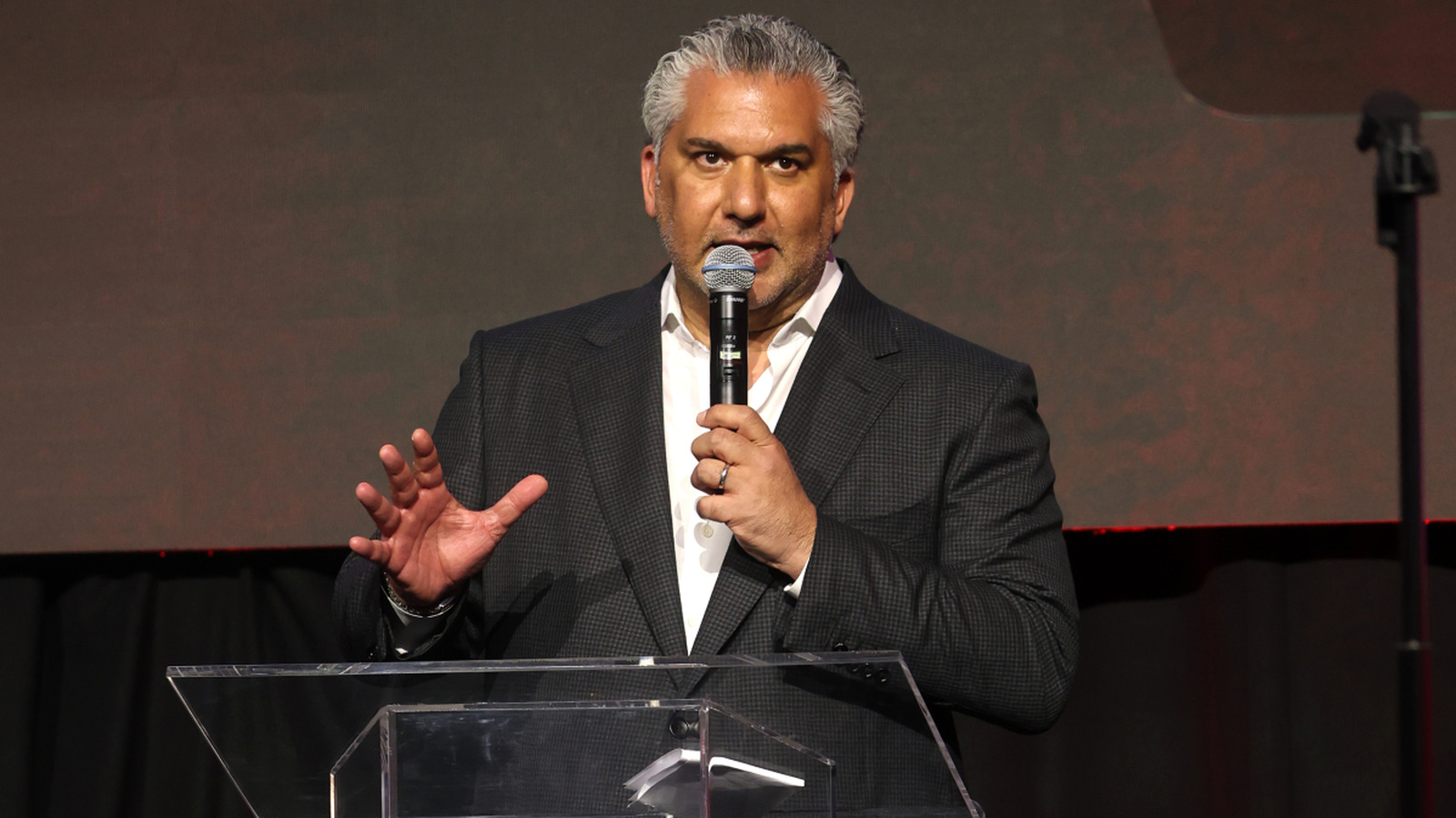
I couldn’t imagine doing this role the past few years without Nick Khan. Variety makes everything better.
The Game is playing for keeps in 2026. Whether the 'miserable' talent like it or not, the system has changed. The variety is there, the scouting is in place, and the traffic is finally being directed by one man. WrestleMania 41 will be the 10th time we have seen a 'new beginning' for this company, but this time, there are no more shadows to hide in. It is time to see if the Triple H era can actually deliver on its promise without the old man's help.
Read Next
- WrestleMania 41: Why Cody Finishes the Story (Again)
- WrestleMania 41: End of Eras, New Reigns, and Creative Curveballs
- Top 10: The Most Explosive Moments on the Road to WrestleMania 41
- Roman Reigns is still the only star that matters heading into WrestleMania 41
- 🏆 WrestleMania 41 — Full Coverage Hub