The friction between Blanchard and Rivera
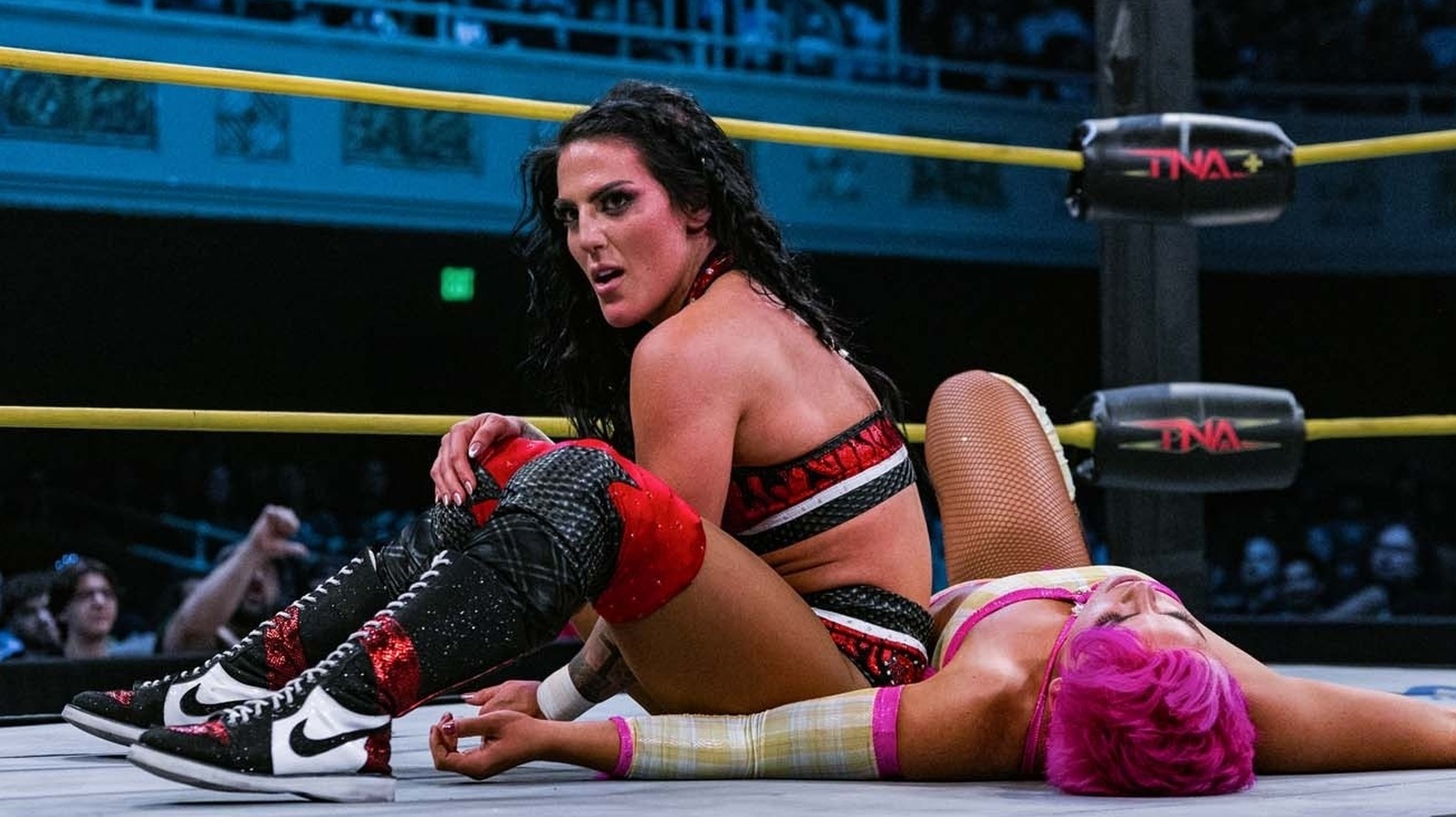
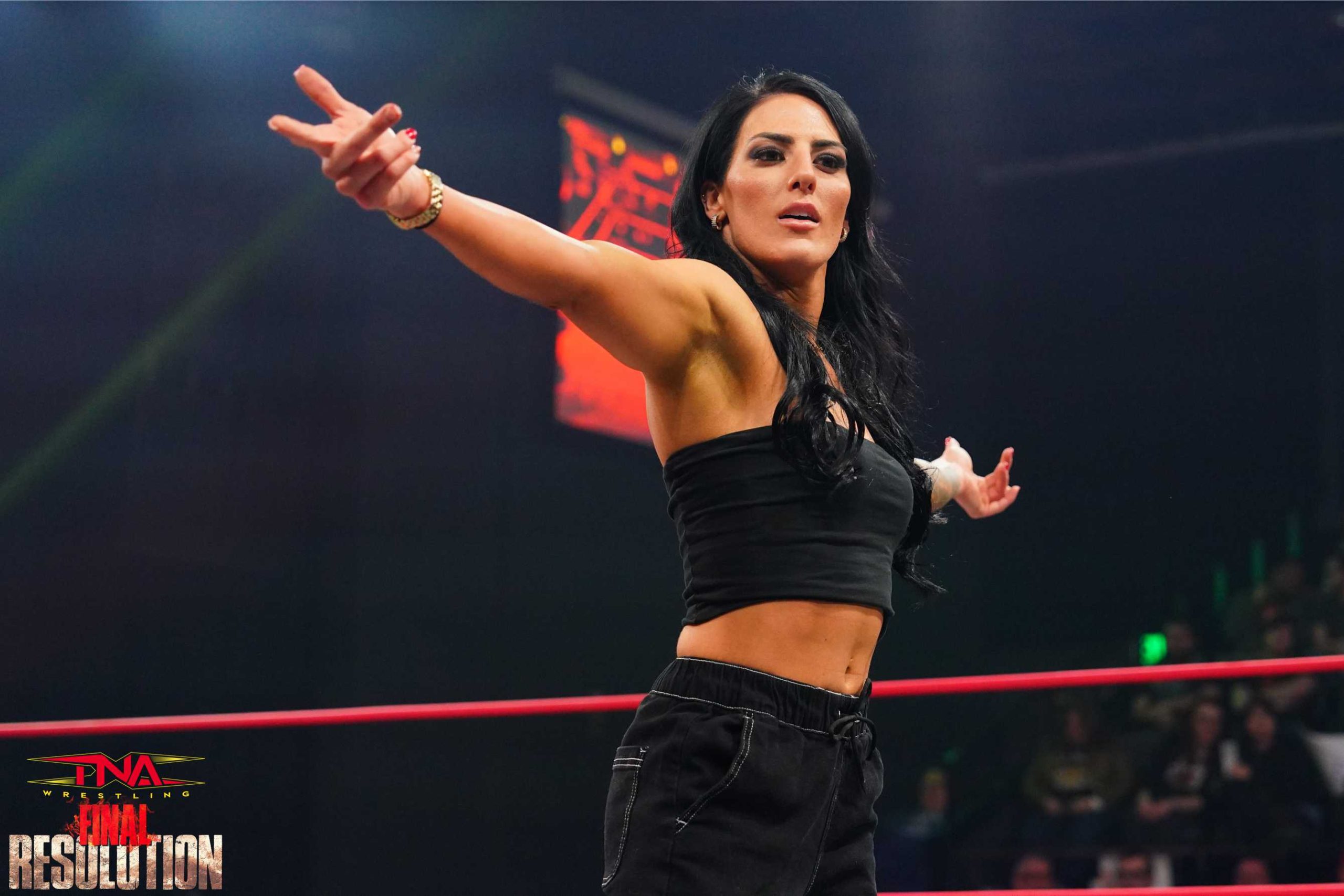
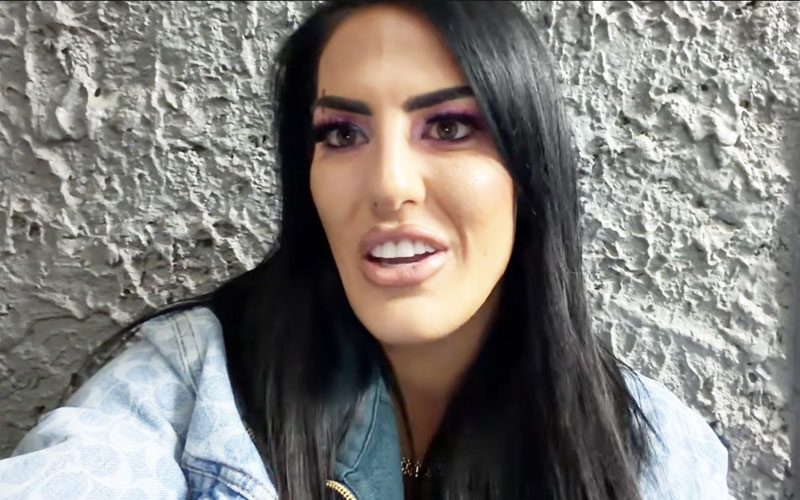
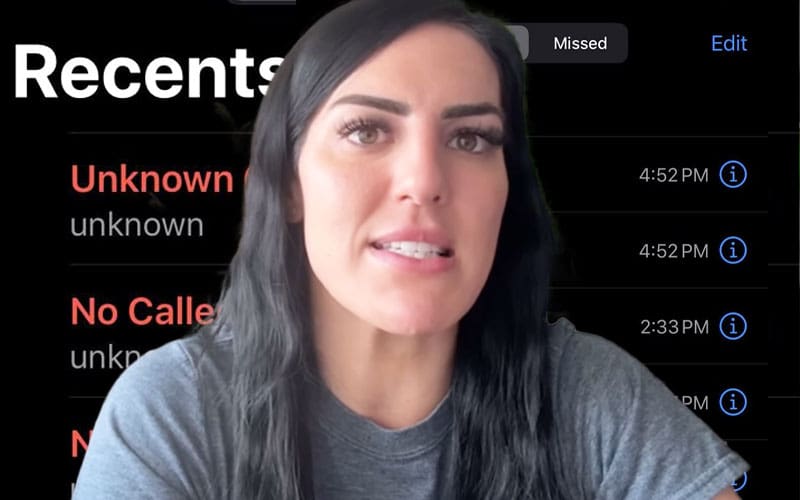
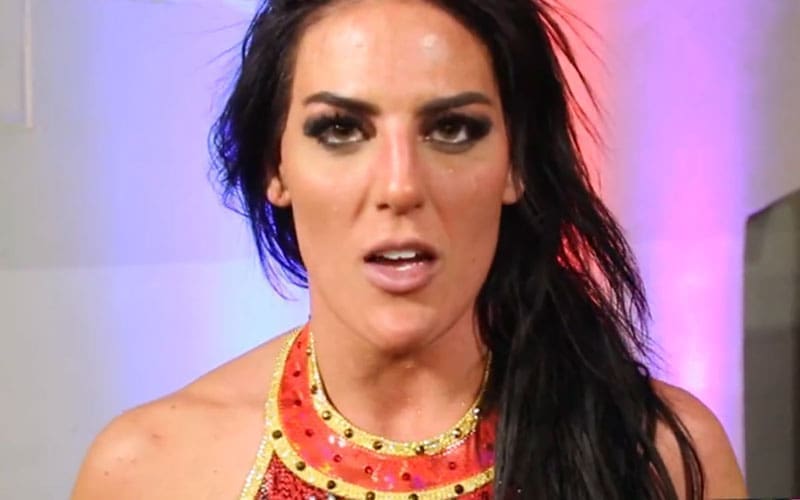
The independent wrestling scene remains a volatile environment where history rarely stays buried. Chrissy Rivera recently took to social media to challenge the narrative surrounding Tessa Blanchard. She directly questioned whether the former Impact World Champion has genuinely addressed the bullying allegations that derailed her career trajectory in 2020.
Blanchard responded with a public statement, aiming to assert that she has evolved since those claims surfaced. Her defense focused on internal growth rather than public spectacles. However, for many observers, this response feels like a familiar script in a business that favors short-term memory over genuine reconciliation.
The weight of the 2020 controversy
The shadow cast over Blanchard stems from a series of public accusations from various peers during her time at Impact Wrestling. At the time, multiple women in the locker room alleged that Blanchard had engaged in verbal abuse and unprofessional conduct. These were not minor grievances; they involved claims of bullying and racial slurs that effectively stalled her momentum right as she was positioned to be the face of the promotion.
Blanchard’s career since then has been marked by sporadic appearances and a lack of consistent footing in major promotions. She spent time in Mexico, competing for AAA, but the buzz that once followed her—the ability to work a 20-minute technical masterpiece against Sami Callihan—has been replaced by a lingering skepticism from fans and promoters alike. The wrestling industry is small, and bridges burned in 2020 are still smoldering.
Why the accountability narrative fails
The core issue here is the gap between personal growth and public perception. Blanchard’s attempt to move past these issues often comes across as performative to those who felt slighted by her previous actions. When a wrestler claims they have changed, the burden of proof usually requires a level of humility that is difficult to manufacture in a medium built on ego and persona.
Her matches in recent years haven't had the same high-stakes intensity that defined her run as the first woman to hold a major men's world title. When she steps into the ring now, the audience is often thinking about the locker room allegations rather than the execution of a Hammerlock DDT or a Magnum. This is a massive hurdle for any performer. If the crowd is focused on your character flaws rather than your in-ring ability, the booking becomes a liability.
A critical look at the booking reality
Promoters are naturally risk-averse. Bringing in talent with a history of internal friction creates potential for locker room instability. Blanchard possesses undeniable talent, but her decision-making—both inside and outside the ring—has created a reputation that is hard to shake. Her inability to fully reconcile with the people she offended leaves her in a state of professional limbo.
It is worth noting that the industry has seen others return from controversies, but those paths usually involve a period of genuine, quiet contrition. Blanchard’s approach has been erratic, alternating between social media defenses and long periods of silence. This lack of a coherent strategy is why these debates keep resurfacing. Until there is a tangible shift in how she interacts with the community that rejected her, she will likely remain on the outside looking in at the major leagues.
The current situation highlights a broader disappointment. At one point, she was arguably the most compelling athlete in the sport. Now, her biggest headlines come from old baggage rather than title matches. If she wants to reclaim her status, she needs to stop engaging in public debates and start rebuilding trust in the trenches. Professional wrestling rewards those who can keep their head down and produce, but that becomes impossible when the past is constantly being dragged into the current calendar year.