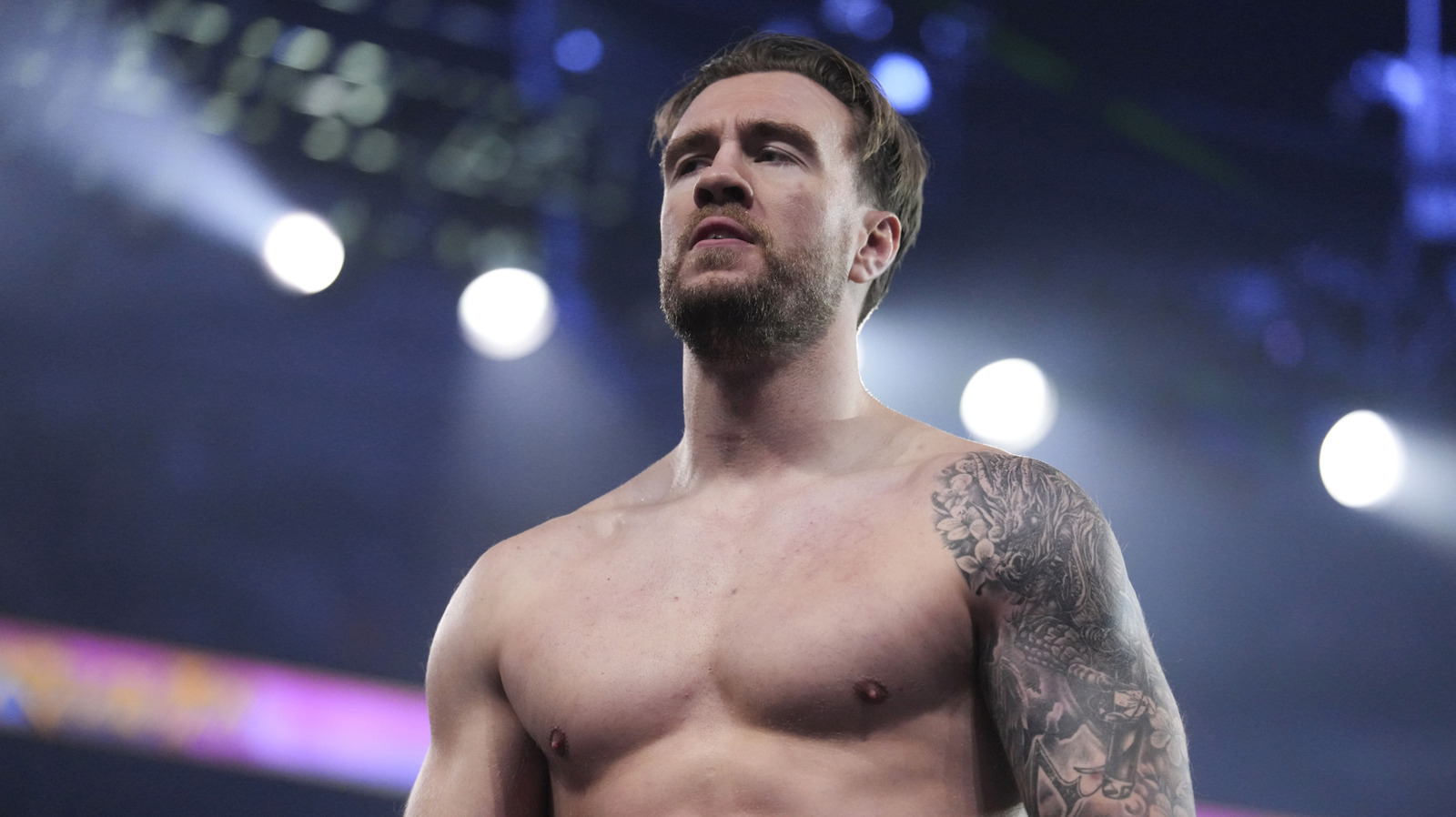
Will Ospreay wants the G1 but AEW cannot afford the bill
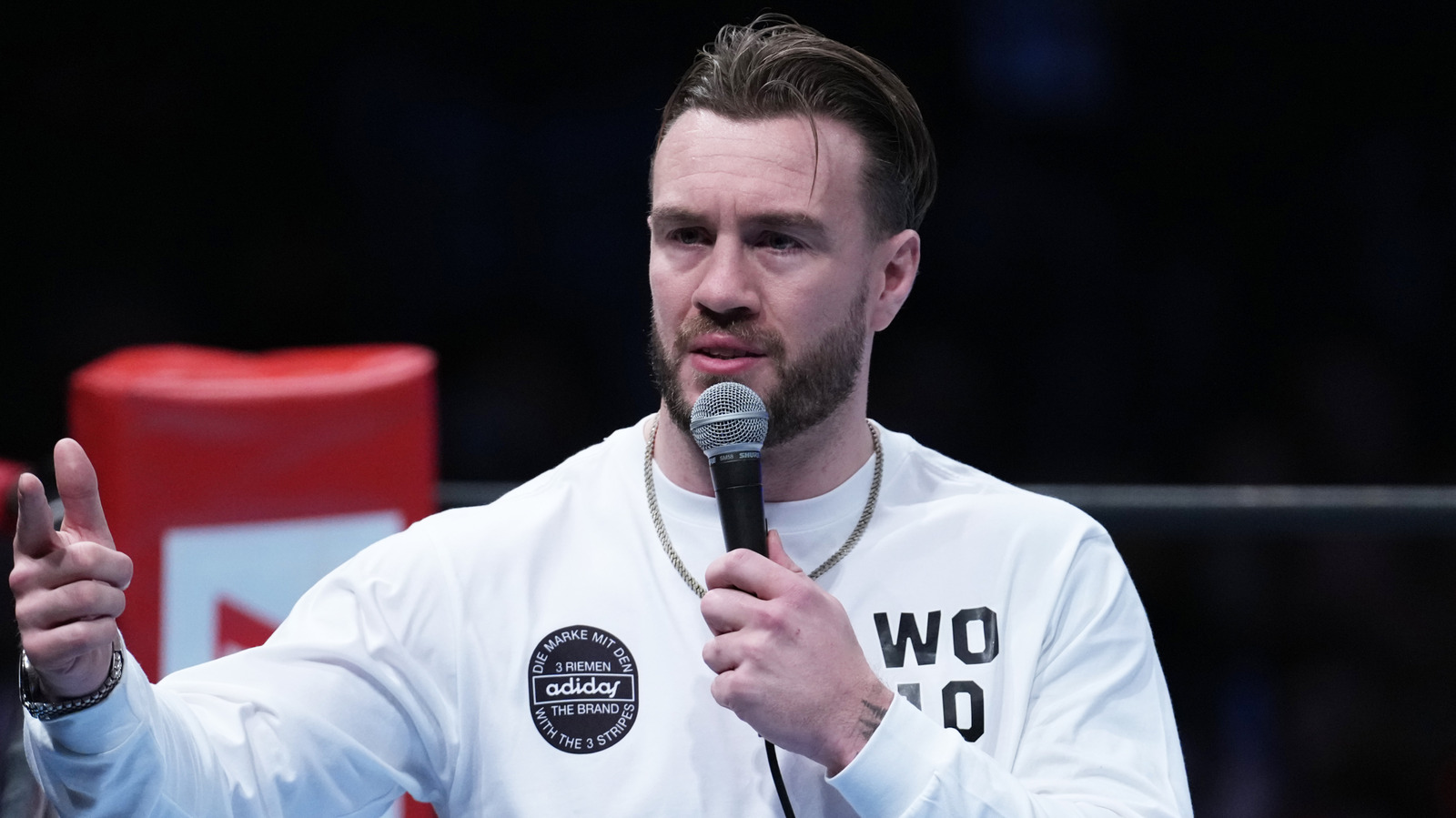
The G1 Climax is a siren song for the Aerial Assassin
April 8, 2026, finds the professional wrestling world in a strange, transitional state. We are less than two weeks away from WrestleMania 41 in Las Vegas, a weekend that usually sucks all the oxygen out of the industry. Yet, the most interesting tactical discussion isn't happening on the Strip, but in the intersection between Jacksonville and Tokyo. Will Ospreay has publicly flirted with a return to the G1 Climax, and while the romanticism of a homecoming is high, the cold, hard math of the 2026 calendar suggests this is a gamble Tony Khan shouldn't take.
As Wrestling Inc reported, Ospreay is eager to step back into the New Japan Pro-Wrestling (NJPW) ring for the most grueling tournament in the sport. On paper, it is the ultimate fulfillment of the "Forbidden Door" promise. In practice, it is a physical tax that could bankrupt AEW’s creative plans for the second half of the year. Ospreay is no longer the hungry prospect looking to make a name; he is the most expensive and vital asset on the AEW roster. Sending him into a round-robin tournament in the sweltering Japanese summer is like taking a Ferrari to a demolition derby just because you miss the dirt track.
The physical depreciation of the Ospreay style
To understand why this is a mistake, we have to look at the data of Ospreay’s 2025 campaign. He averaged twenty-two minutes per televised singles match last year. His style is built on explosive torque—rotational movements that place immense strain on the patellar tendons and the lower lumbar region. In the G1, a competitor typically wrestles nine block matches in less than four weeks. These aren't safe, three-minute television squashes. They are high-intensity sprints where the pacing rarely drops below 130 beats per minute.
Watch the way Ospreay lands the OsCutter in 2026 compared to 2019. There is a visible, microscopic adjustment in how he absorbs the impact on his knees. He is smarter now, certainly, but the G1 environment doesn't reward caution. It is a tournament built on the "Strong Style" ethos of escalation. If Ospreay is in a block with the likes of Shota Umino or a rejuvenated Yota Tsuji, he will be expected to deliver the five-star clinics that defined his NJPW tenure. The risk of a ligament tear isn't just a possibility; it is a statistical probability when you factor in the travel and the lack of recovery time between nights in Korakuen Hall and the Osaka Prefectural Gymnasium.
The AEW inventory problem
Tony Khan faces a massive strategic dilemma. AEW’s viewership metrics consistently show a spike during Ospreay segments. He is one of the few performers who moves the needle in the 18-49 demographic by sheer force of match quality. If Ospreay disappears to Japan for the duration of the G1, AEW loses its primary protagonist for nearly six weeks of television. This isn't just about missing one or two episodes of Dynamite; it’s about the momentum heading into All In at Wembley Stadium.
The narrative cost is just as high. If Ospreay enters the G1, he has to lose. New Japan’s booking committee, led by Gedo, is notoriously protective of their domestic talent. Ospreay would likely finish with 12 points, missing the playoffs or losing in the semi-finals to establish a rising Japanese star. For AEW, seeing their "Best in the World" lose three or four times in a month—even in a tournament setting—dilutes the aura of invincibility they have spent millions to cultivate. It is a win for NJPW's ticket sales and a net loss for AEW's brand equity.
Tactical stagnation and the "Dream Match" fatigue
There is also the question of what is left for Ospreay to achieve in New Japan. He has already won the IWGP World Heavyweight Championship. He has won the G1 Climax 31. Returning now feels less like a progression and more like a retreat into a comfortable past. We have seen the Ospreay vs. Zack Sabre Jr. technical masterclass. We have seen the wars with Shingo Takagi. While these matches are aesthetically pleasing, they do not advance the needle for the 30 percent of the audience that only watches AEW and finds the New Japan crossover confusing.
A critical observation of Ospreay's current run is his occasional tendency to prioritize the "big moment" over internal logic. In the G1, this tendency is amplified. When every match is a desperate struggle for points, the selling often becomes secondary to the spectacular. We saw this in his 2024 matches where he would shrug off massive power moves to hit a Hidden Blade. In a tournament setting, this "fighting spirit" trope becomes repetitive. It risks making his AEW matches feel less special if fans can see a version of the same performance every Tuesday morning on NJPW World.
The Wembley shadow and the road to August
The timing of the G1 is the final nail in the coffin. The tournament usually concludes just as the build for AEW All In reaches its fever pitch. If Ospreay returns from Japan with a nagging ankle injury or a concussion—common occurrences in the G1—the main event of AEW's biggest show of the year is jeopardized. We saw the fallout from the 2024 injury bug that sidelined several top stars; the company simply cannot afford a repeat of that during their most lucrative window.
Instead of the G1, AEW should be focused on keeping Ospreay in domestic programs that build long-term heat. The "Forbidden Door" should be a gate, not an open field. Let NJPW talent come to Dynamite for one-off spectacles. Sending Ospreay back into the lion's den for a month of punishment is a tactical error that confuses "giving back to the fans" with "mismanaging your most valuable resource." The siren song of the G1 is loud, but Ospreay needs to remember that he left New Japan for a reason: to be the face of a global power, not a recurring guest star in his own history.
The verdict on the Billy Goat's ambitions
Ospreay’s desire to compete is admirable. It is what makes him the most compelling wrestler of his generation. But a senior analyst has to look beyond the "Match of the Year" contenders and look at the health of the ecosystem. The G1 Climax 36 will be a success with or without Will Ospreay. AEW, however, might not survive a summer where their brightest star is dimmed by a grueling schedule in a different time zone. The risk is too high, the reward is too localized, and the physical cost is simply too much to bear.
We are seeing a shift in how talent views their careers. Ospreay wants to be everywhere at once, but the human body—even one as gifted as his—has a finite number of landings. If he wants to be wrestling at this level when WrestleMania 45 rolls around, he needs to start saying no to the tournaments that defined his youth. The G1 is a young man’s game, and while Ospreay is only 32, his "wrestling age" is much higher due to the sheer volume of high-risk maneuvers he has executed since his debut in Essex.
Conclusion
Tony Khan must be the adult in the room. He needs to protect Ospreay from his own competitive drive. The G1 is a beautiful, brutal tradition, but for Will Ospreay and AEW, it is a distraction they cannot afford. Focus on Wembley, focus on the domestic ratings, and keep the Aerial Assassin grounded enough to actually reach the heights he’s promised. Anything else is just poor management masquerading as a dream come true.
Read Next
- AEW is drifting into the WrestleMania shadow and it shows
- AEW needs more than work rate to save the Dynasty build tonight
- What the MJF and Kenny Omega contract signing really means for AEW
- Will Ospreay vs PAC is the violent nightmare AEW needs right now
- ⚡ AEW Dynasty 2026 — Full Coverage Hub
- 🎲 AEW Double or Nothing 2026 — Full Coverage Hub
Mattel WWE Elite Collection Series 109 Action Figure, CM Punk
Highly articulated, 'Elite' grade action figure of the Best in the World.
More Coverage
Will Ospreay’s role at AEW Redemption signals an uneasy transition
4 hours ago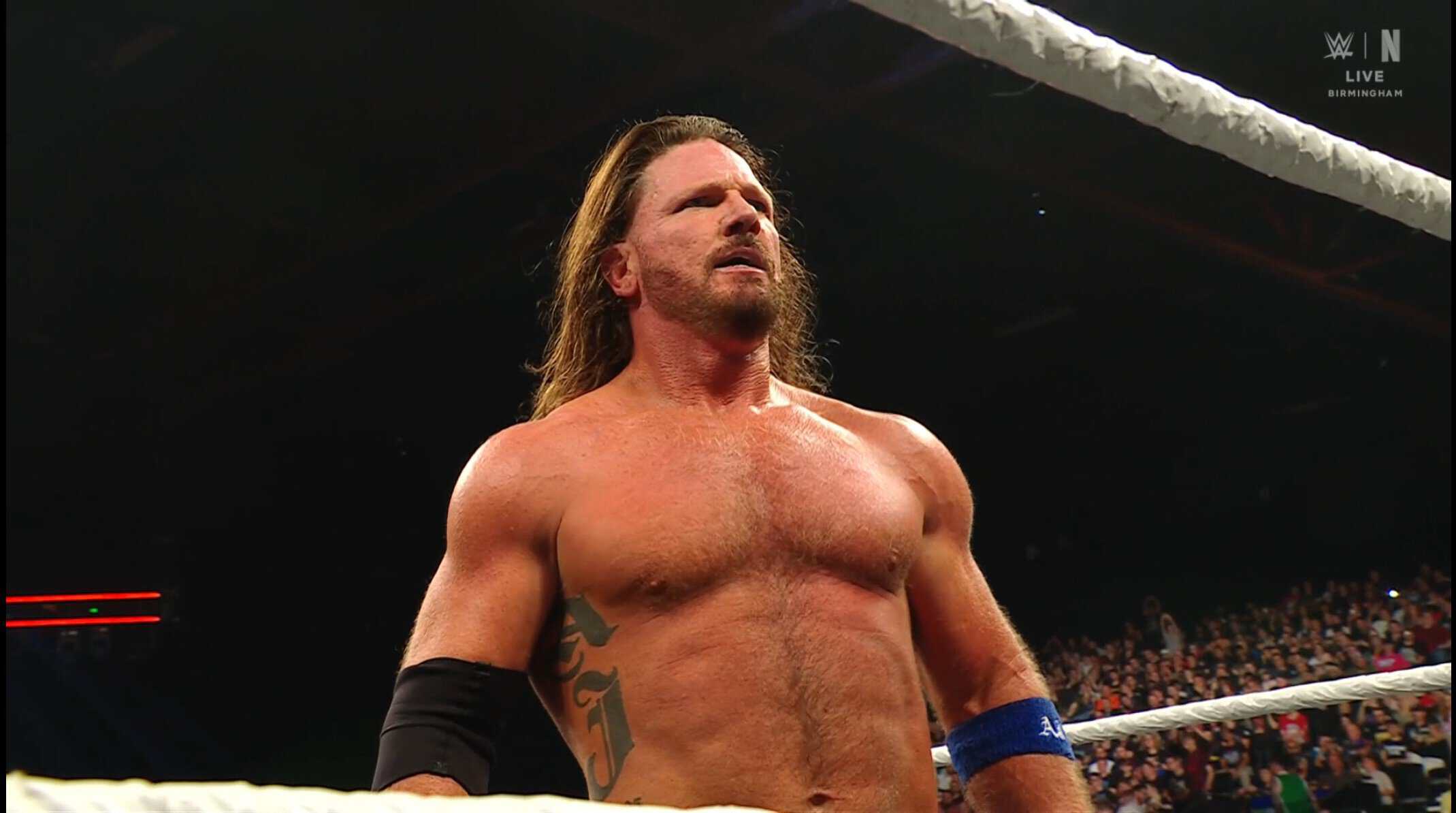
AJ Styles is right to be skeptical about a WWE Japan expansion
5 hours ago
Top 10: Top Moments
19 hours ago
AJ Styles fires back at critics over controversial WWE Japan takeover comments
19 hours ago
AJ Styles and the math behind a decade of overseas dominance
19 hours ago
Top 10: Tony Khan’s Managing Style
20 hours agoMore Analysis
Will Ospreay to the G1 Climax is not as simple as it looks
3 months, 1 week ago
AEW stars are heading for the G1 and the risks are massive
3 months, 2 weeks ago
Will Ospreay is playing a dangerous game with his NJPW return
3 months, 1 week ago
AEW is betting the farm on the G1 and Wembley
3 months, 2 weeks ago
Will Ospreay is playing a dangerous game with his NJPW return
3 months, 2 weeks ago