The rumor mill just hit a bizarre new gear
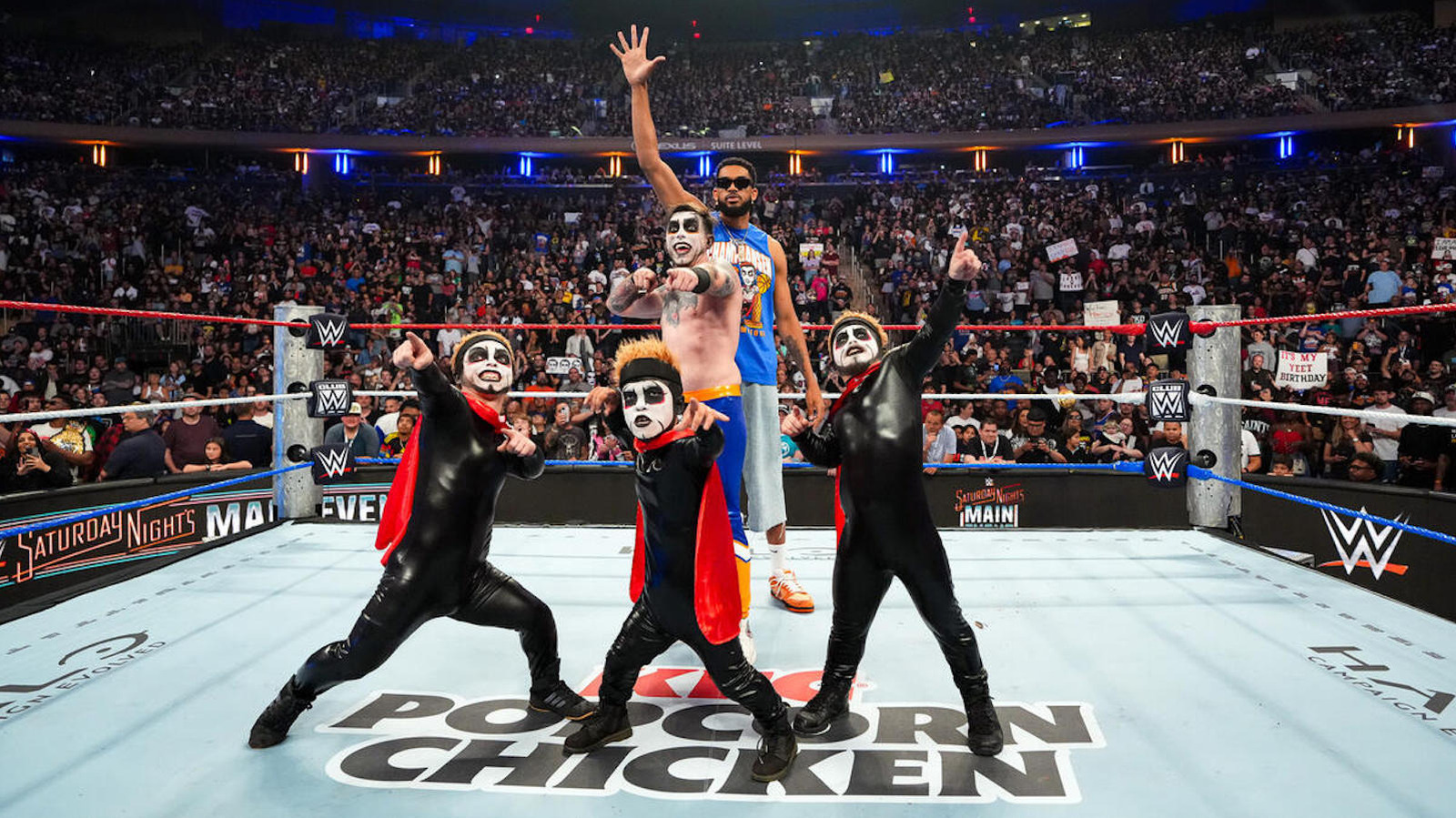
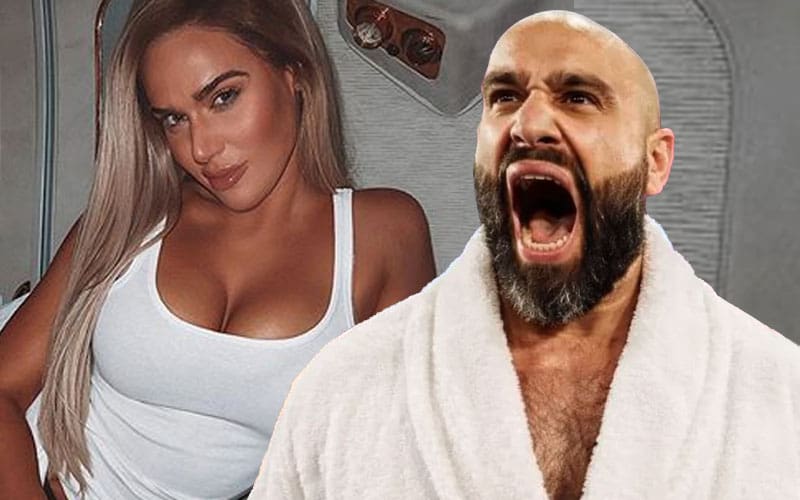
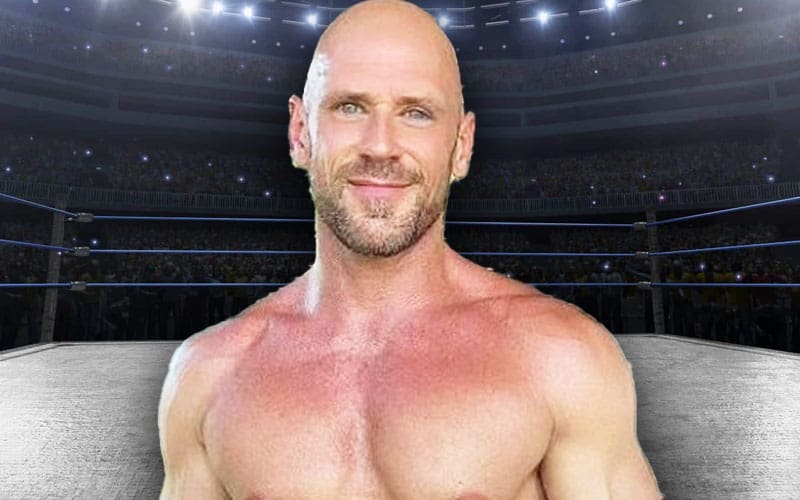
The week before WrestleMania is historically a dumping ground for wild speculation, but this one requires a double-take. Ringside News recently reported that adult film star Johnny Sins is actively eyeing a transition into professional wrestling. The report notes he is already pointing toward a current WWE star as a potential target.
Five years ago, you could write this off as cheap internet noise. But in the modern attention economy, where any viral spark is analyzed for its monetization potential, you have to look at the mechanics of how this would actually work.
Let’s ground this in reality immediately. We are sitting five days away from WrestleMania 41 in Las Vegas. The card is locked. The creative direction is heavily mapped out through the summer.
If there is genuine interest from Sins’ camp, it is entirely a play for the post-Mania reset. But wanting to step into a wrestling ring and surviving a standard televised match are two wildly different realities. The barrier to entry for celebrity involvement has skyrocketed.
The physical reality of the modern celebrity bump
Wrestling has evolved far beyond the era where an outsider could just stand in the corner, throw a sloppy right hand, and wave to the crowd. If you step through the ropes in 2026, you are expected to work.
Logan Paul did not just walk into the ring and survive. He spent months taking flat-back bumps in a padded warehouse in Puerto Rico before even attempting a live showcase. Bad Bunny relocated to Orlando specifically to run the ropes until his skin blistered. The baseline expectation for an outsider is no longer a comedy spot; it is a meticulously choreographed athletic display.
Sins is in his mid-40s. While his bump card might be completely empty—meaning his joints haven't endured the 250-day-a-year grind of the WWE road schedule—the neuromuscular adaptation required to safely execute a hip toss or run the ropes without tearing an ACL is entirely absent. The cardiovascular demand of professional wrestling is notoriously deceptive.
You cannot simulate the adrenaline dump of performing live in front of 15,000 screaming fans. We saw this exact physical failure point when heavyweights from other sports attempted to transition without adequate ring time. The footwork gets heavy within three minutes. The spacing completely falls apart. The lungs burn in a way that static weightlifting or cardio machines cannot prepare you for.
Analyzing the opponent matrix
If you actually book this match, the tactical structure is extremely rigid. The agent producing the bout has to rely entirely on smoke, mirrors, and a veteran opponent.
The outsider is heavily protected, likely spending 85 percent of a tag team match standing on the apron waiting for a hot tag. Every single offensive sequence must be meticulously rehearsed in a closed facility for weeks. This completely strips away the live improvisation that makes professional wrestling actually compelling.
The Ringside News report mentions Sins pointing at a current WWE star. From a booking perspective, the list of viable candidates who can carry this kind of dead weight is incredibly short. You cannot put a complete novice in the ring with a physical, stiff worker like Gunther or Drew McIntyre. That is a fundamental safety risk.
It would also be a massive waste of television time for top-tier talent right in the middle of a hot creative period. The opponent has to be a master gatekeeper. The default answer is always someone like The Miz or Grayson Waller. You need a heel who can generate immediate heat, carry the microphone segments without getting rattled, and most importantly, call the spots audibly while bumping heavily for incredibly basic offense.
If Sins throws a rudimentary shoulder tackle, Waller knows how to rotate and take a massive back bump to make the move look devastating on camera. But even with a ring general steering the ship, the margin for error is razor-thin. One missed cue on a reversal, one moment of hesitation on a rope break, and you end up with a collapsed sequence on live television. The crowd turns instantly when the illusion breaks.
The required timeline for a legitimate debut
If we look at the actual data behind successful crossover performances, the timeline is unyielding. To get a non-wrestler ready for a five-minute television match, the absolute minimum training camp is three months of daily in-ring drills. You have to teach the body how to fall safely before you can even begin to teach basic chain wrestling.
For a man in his mid-40s, the recovery time between training sessions doubles. The bumps accumulate rapidly, stiffening the neck and lower back. WWE's Performance Center is essentially an elite athletic laboratory, but they cannot reverse the aging process or compress six months of muscle memory into a viral two-week build. If he started training today, he would not be medically cleared for a basic house show loop until late autumn.
The boardroom veto and the risk of cheapening the product
Here is the critical flaw in this entire rumor, and where the fantasy booking completely hits a brick wall. WWE is a massive, publicly traded machine operating under the TKO Group umbrella. Their entire current business model relies on blue-chip sponsorships and maintaining a highly sanitized, globally marketable corporate image.
They answer to advertisers who spend tens of millions to slap their logos on the ring mat and the barricades. Introducing an adult film star into a PG-rated, family-friendly product is a logistical and public relations nightmare. The moment the graphic hits the screen, the corporate pushback would be immediate and severe.
Mattel is not signing off on that crossover action figure. Major energy drink sponsors are not going to anchor their summer ad campaigns to that specific storyline. It is bad business plain and simple.
If WWE actually entertains this, it would be a desperate regression. It would signal a return to the trash-TV booking strategies of the late 90s, completely undermining the legitimate sports-presentation prestige they have spent the last three years building. The creative team has been highly disciplined lately, anchoring the product around long-term storytelling with the Bloodline and Cody Rhodes.
Wasting a premium television segment on a cheap viral stunt takes away from full-time talent who are actively driving merchandise and ticket sales. There is a massive difference between generating social media engagement and actually drawing money in the wrestling business. Sins has undeniable name recognition, but it is strictly meme recognition.
That specific type of internet fame rarely translates to a sustained increase in gate receipts or Peacock streaming numbers. Fans are not buying a $150 ticket to see a novelty act stumble through a three-minute squash match.
The final prediction
So where does this end up? The interest from Sins might be completely real. The platform wrestling provides is incredibly lucrative, and the crossover appeal is obvious.
But the corporate reality of WWE in 2026 makes this an absolute non-starter for television. The absolute ceiling for this rumor within WWE is a passing backstage cameo—perhaps a subtle visual gag—completely unacknowledged by the commentary team. Anything more substantial would require a boardroom sign-off that simply will not happen.
My prediction is absolute. Johnny Sins will not have a sanctioned match in WWE this year. The risk profile is simply too high for TKO Group to authorize it.
If he is genuinely committed to taking a bump and learning the craft, he will have to look at the independent circuit. A promotion like Game Changer Wrestling (GCW), which thrives on viral absurdity and lacks the strict corporate oversight of national television, is the only realistic landing spot. But as far as the WrestleMania 41 lineup goes? It is a firmly closed door.