
What if WWE had signed Kenta Kobashi in the 2000s?
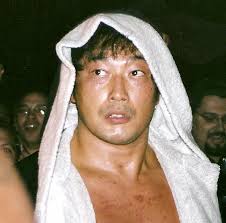
The missed appointment of a generation
In the brutal geometry of professional wrestling, timing defines legacy. During a recent virtual signing session via Signed By Superstars, former WWE executive John Laurinaitis confessed an attempt to recruit Kenta Kobashi during the early 2000s. The industry historian immediately understands the tectonic implications of this potential move. Kobashi was not just another heavyweight; he was the King of All Japan Pro Wrestling, a man who survived decades of stiff striking exchanges and gravity-defying top-rope moves.
Laurinaitis, who spent significant time in Japan himself, understood the value of the Burning Lariat. He recognized that the man who held the Triple Crown title for 535 days between 2003 and 2005 was the greatest pure worker on the planet. Bringing that level of intensity to Vince McMahon’s promotion during the post-Attitude Era would have irrevocably altered the WWE main event scene.
The stylistic collision at the top of the card
Consider the logistical hurdles. The WWE in the early 2000s favored a specific brand of slower-paced production centered on character work and oversized spectacle. Kobashi performed at a level where every chop sounded like a gunshot and every near-fall required a recovery period measured in minutes. Dropping that philosophy into a locker room built on the safety standards of the time presents a fascinating friction point.
While fans might salivate over a Kobashi versus Shawn Michaels encounter, the reality is more complicated. We have seen how WWE handles Japanese talent with a strictly physical identity. Often, the front office strips away the very characteristics that made the performer legendary. If Kobashi arrived purely to fill a mid-card role, his impact would have been a drop in the bucket rather than a shift in momentum.
I knew exactly what he was worth. I pushed hard for him in those early days.
The quote from Laurinaitis underscores that the desire existed, but the execution was lacking. We know the corporate structure of the McMahon era was notoriously rigid. Even if WWE had secured his signature back when he was hitting 150+ chops per match in Budokan Hall, it is unlikely they would have protected his knees or let him work the extended thirty-minute epics that defined his career.
The booking mistakes of a bygone era
Looking at the available evidence, the negative observation here is structural. WWE in the early 2000s failed to capitalize on the legitimate martial arts and strong-style credibility coming from the East. They preferred the safer, predictable routes defined by recent reports on Laurinaitis’s tenure. By the time the company began integrating high-level international stars, the landscape had shifted entirely toward the NXT model and the eventual acquisition of talent like Shinsuke Nakamura.
Kobashi remained in Japan, effectively cementing his legacy as a homegrown icon who never needed a Western stamp of approval. That loyalty to the AJPW and Pro Wrestling Noah brands meant that the legendary 1998 tag match—where he and Jun Akiyama faced Misawa and Ogawa—remains a pristine relic rather than diluted content for a weekly television show. Perhaps keeping him out was the best booking decision the office ever failed to make.
Reflecting on the timeline, the 2000s were an interesting period where the disconnect between raw talent and corporate vision remained wide. As John Laurinaitis revealed during his discussion with Signed By Superstars, the intent to bridge that gap was present. However, the wrestling business rarely rewards the 'what if' scenarios that come from executive hindsight. We are left with the tapes from the Budokan rather than the watered-down versions that likely would have happened in front of a half-interested Raw crowd in 2004.
Frequently Asked Questions
Why did John Laurinaitis want to sign Kenta Kobashi?
What prevented Kenta Kobashi from joining WWE in the 2000s?
How would Kobashi's style have differed from the WWE's product?
Why would WWE's booking have been a concern for Kobashi?
What is the historical takeaway regarding Kobashi and WWE?
More Coverage
The legal reality hanging over WWE in 2026
2 hours ago
John Cena is dangerously misreading the room on his vanity tournament
3 hours agoJohn Cena is teasing a comeback and the internet is losing its collective mind
21 hours ago
Penta has made the mid-card relevant again
1 day, 1 hour ago
Austin Theory is delusional if he thinks Freebird Rules fixes this mess
1 day, 5 hours ago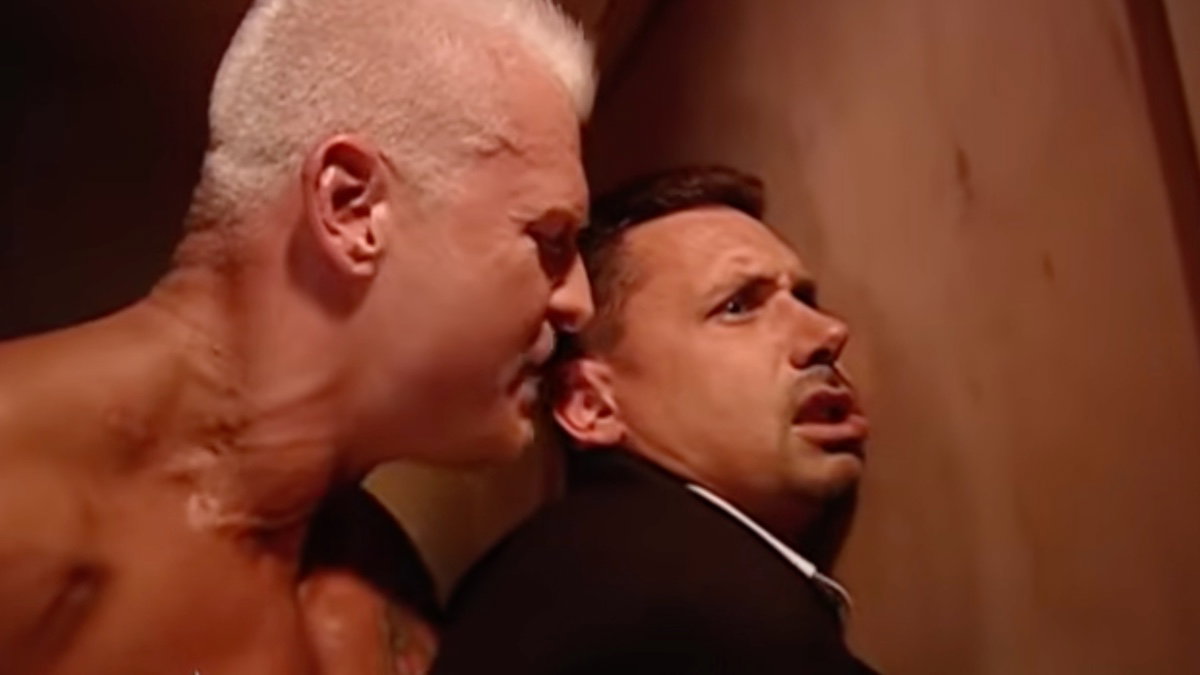
Heidenreich Revisits the Infamous Michael Cole SmackDown Assault
1 day, 6 hours agoMore Analysis
The legal reality hanging over WWE in 2026
2 hours ago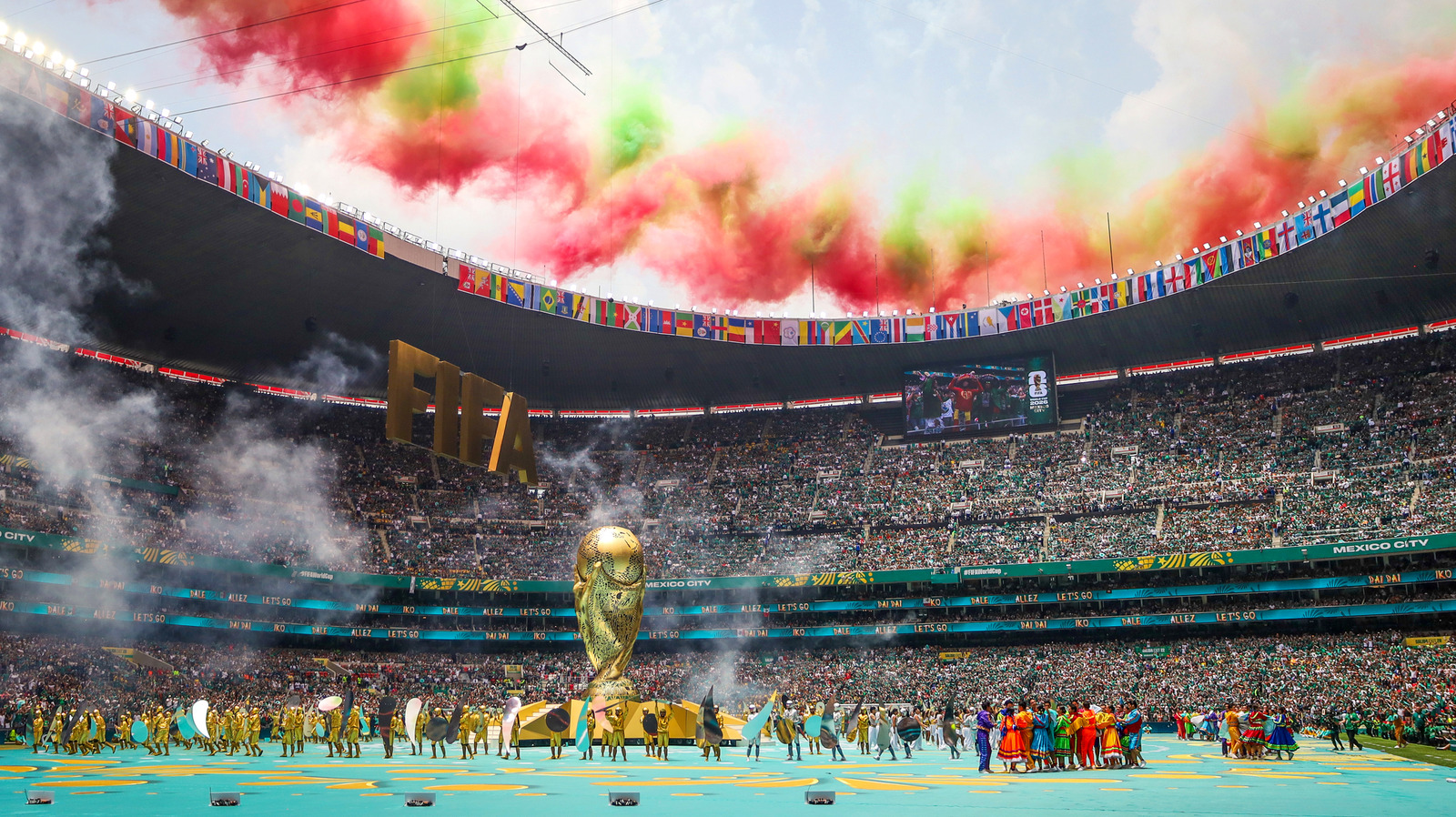
AEW brings FIFA World Cup obsession to the locker room
2 hours ago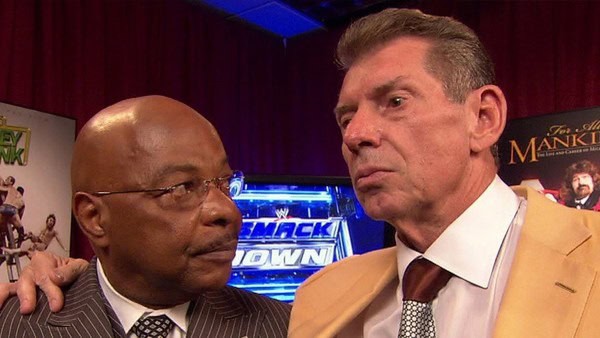
Teddy Long reflects on his past and a potential WWE return
2 hours ago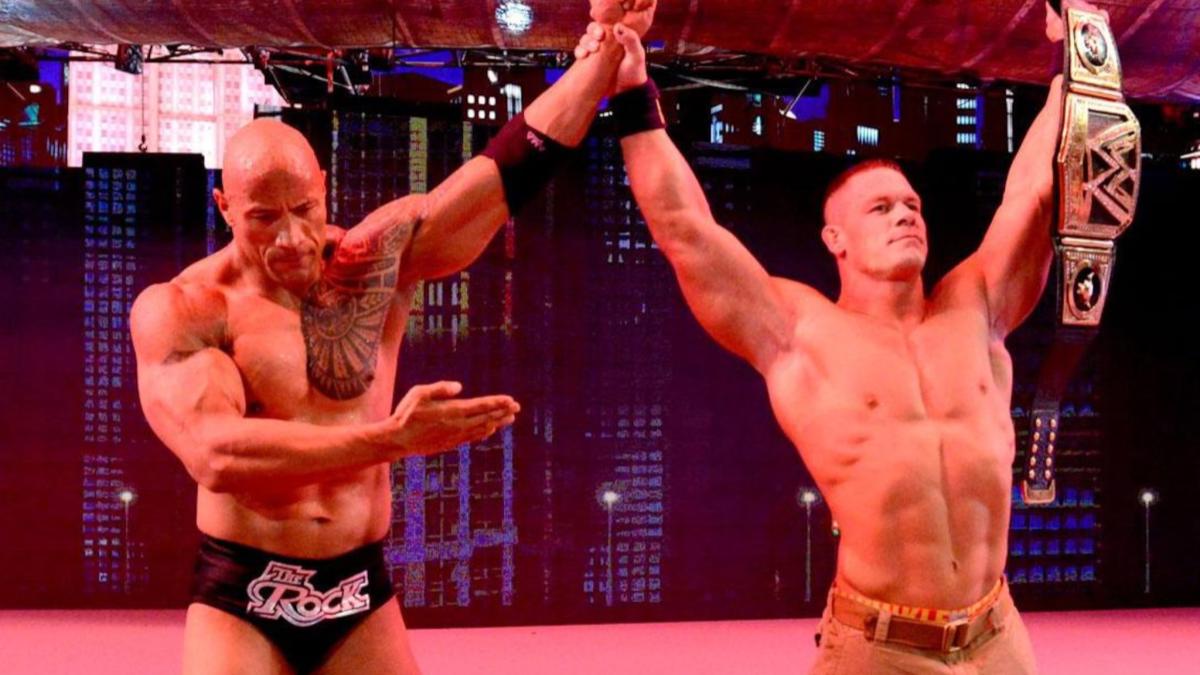
The Rock's WrestleMania 29 scars are a reminder of why legends burn out
2 hours agoROH Global Wars Cincy spoilers have the fans in a total meltdown
2 hours ago