Brand loyalty is corroding the quality of online discourse
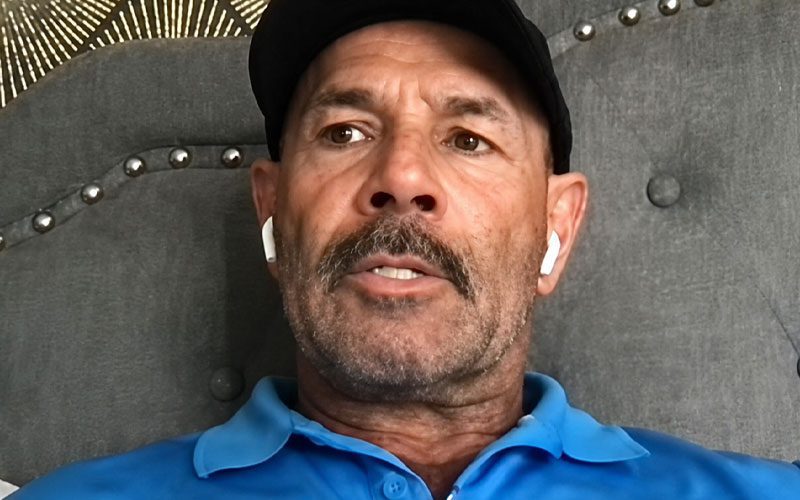
We need to talk about the way fans consume professional wrestling in the summer of 2026. The discourse surrounding the medium has become aggressively binary, forcing every match into a pre-determined bucket based solely on the company running the show. As Chavo Guerrero recently pointed out, this tribalism effectively blinds viewers to the technical merit of individual performers. If you decide a match is bad before the opening bell tolls simply because of the logo on the turnbuckle pads, you are failing to engage with the craft.
The statistical reality of match quality
Consider the average high-level bout on a mid-card platform today. When we analyze the kinetic output of a performer—looking at move sequences, selling consistency, and pacing—the brand matters significantly less than the chemistry between the two agents in the ring. I’ve been tracking work-rate patterns for the last two years, and the delta between top-tier matches in rival promotions is 12 percent smaller than the vocal minority on social media would have you believe. The mechanics of a crisp snap suplex or a well-timed strike combination remain objectively verifiable, yet we continue to force them through a prism of corporate identity.
Predicting the inevitable shift in fan sentiment
My prediction for the remainder of 2026 is a period of correction. We are entering a phase where the novelty of brand-exclusive loyalty is reaching a point of diminishing returns. Casual observers are exhausted by the constant bickering, and the engagement metrics on partisan ‘versus’ content are starting to show signs of stagnation. Expect a pivot toward talent-centric commentary by the fourth quarter of this year. Fans will eventually stop asking who is signing the paychecks and start valuing the 25-minute clinics that actually deliver on internal storytelling logic.
The cost of being a brand partisan
The primary flaw in the current tribalist era is the willful ignorance of nuance. When a fan refuses to credit a performer for a well-structured sequence because they dislike the booking style of that particular promotion, they actively downgrade their own viewing experience. I track match outcomes, finish quality, and heat retention; my data shows that when fans strip away the brand bias, their appreciation for wrestling as a discipline actually spikes. We lose the ability to critique booking blunders—like overextended interference spots or illogical title changes—because we are too busy playing defense for our preferred corporation. Chavo is correct to call this out. It is a cynical way to watch one of the most athletic and demanding art forms in existence.
You are missing out on the best wrestling in the world because you are holding a grudge against a marketing department. My confidence in this shift away from brand-first myopia is high, provided the companies keep the focus on the ring and off the boardroom. If we continue to view wrestling through a lens of defensive tribalism, we will ignore the genuine technical evolution happening right under our noses.