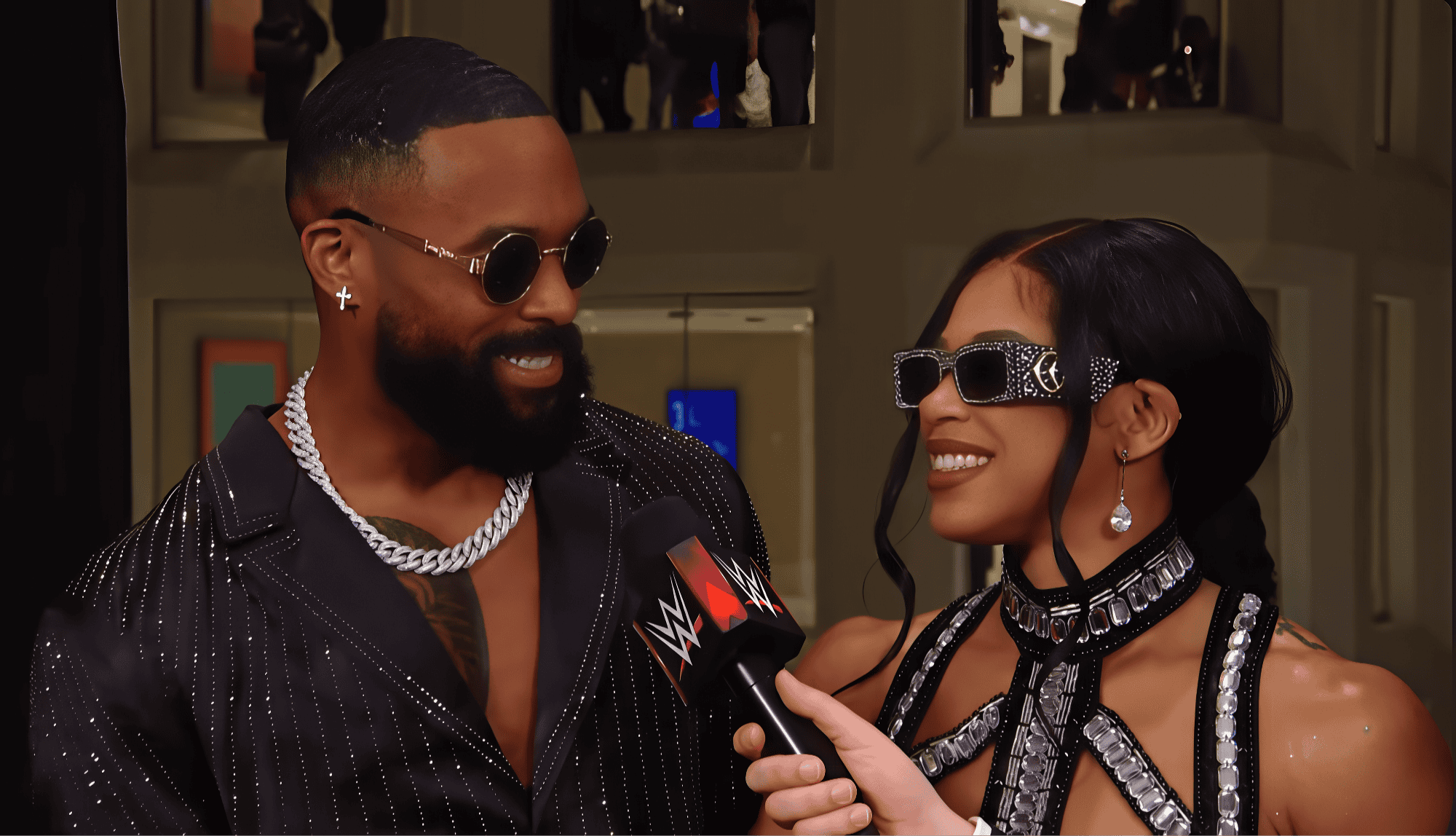
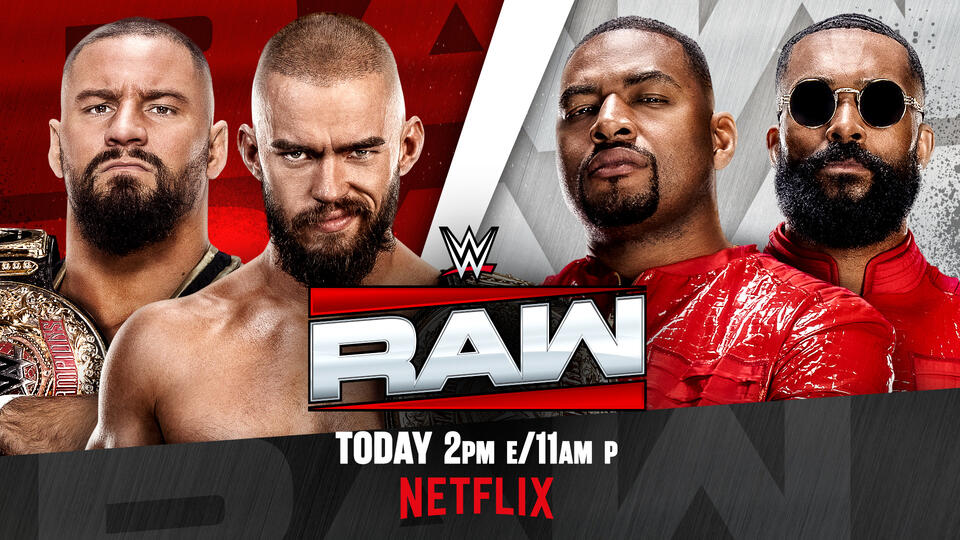
The quiet disappearance of the Street Profits
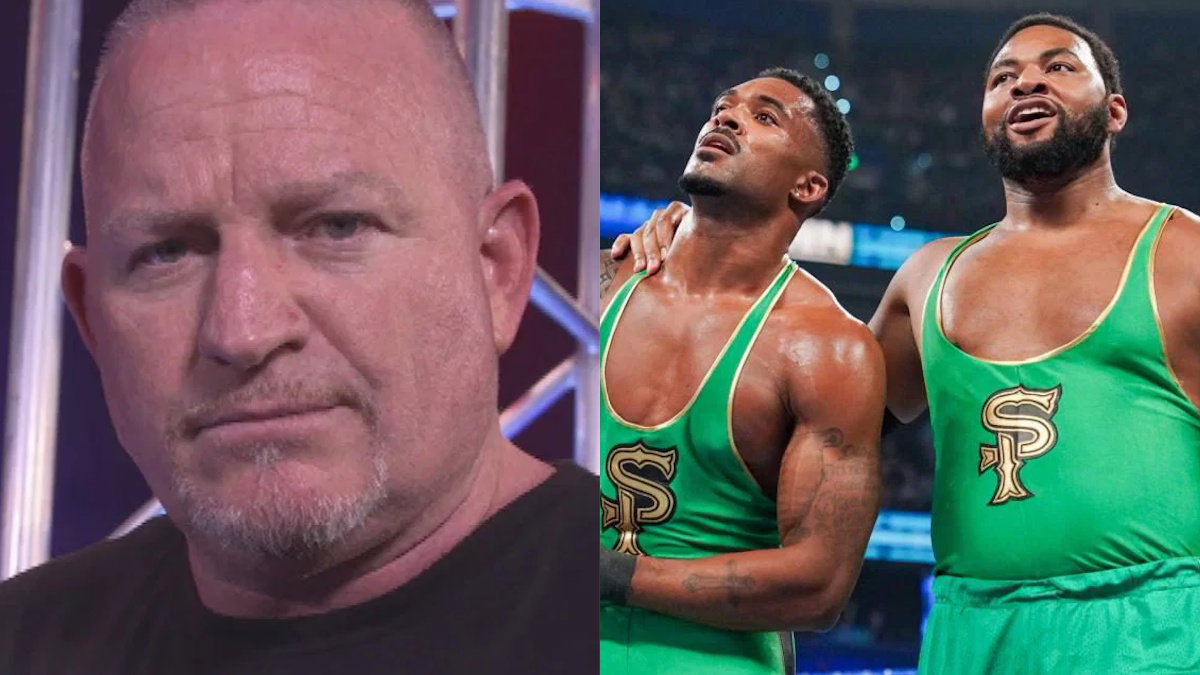
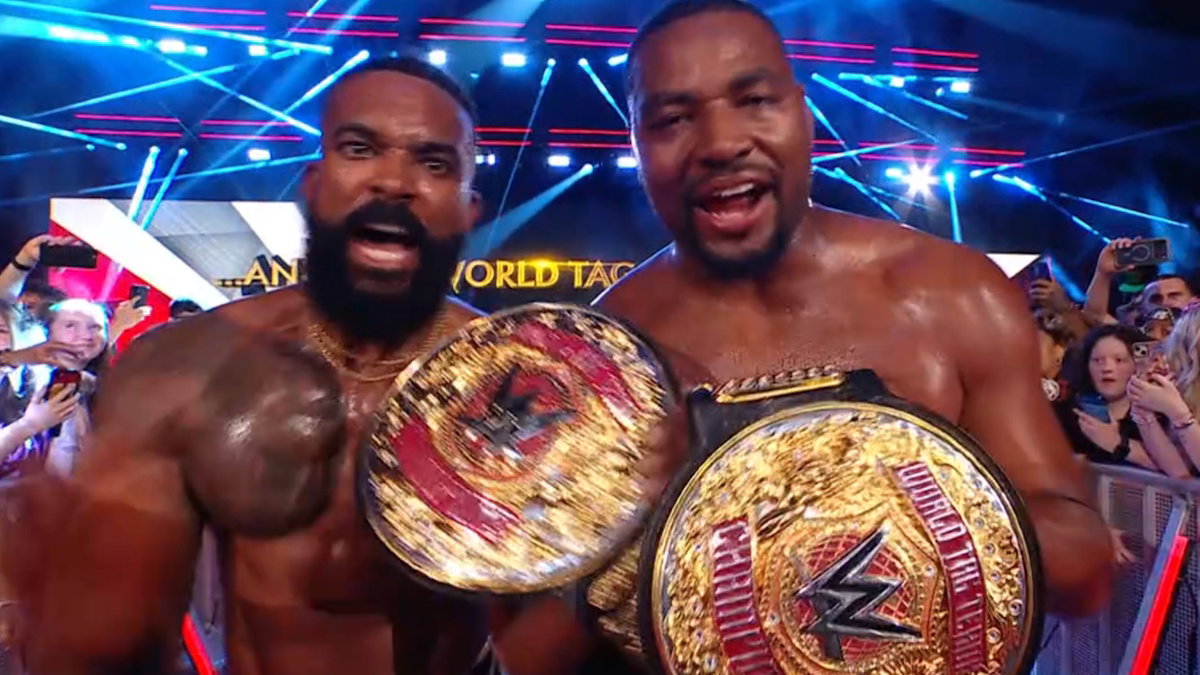
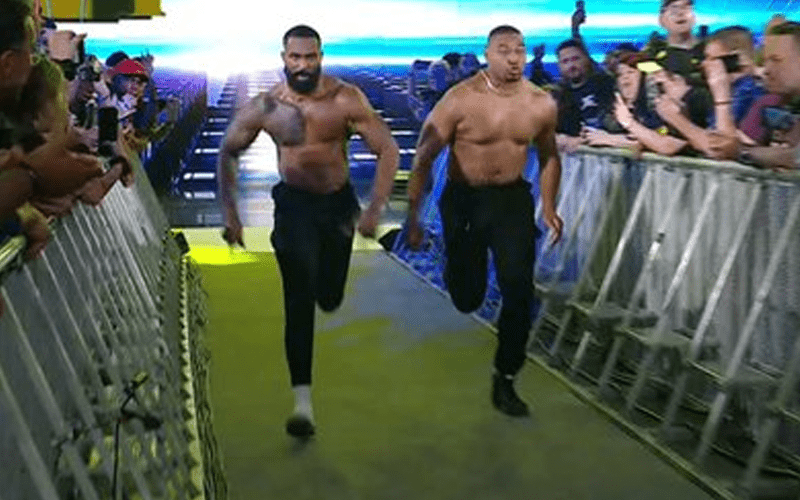
In the high-octane world of professional wrestling, momentum is the only currency that truly matters. Yet, for Montez Ford and Angelo Dawkins, the last several months have felt less like a strategic hiatus and more like a mysterious vanishing act. The Street Profits, once the undisputed heartbeat of the tag team division, have been conspicuously absent from our screens, leaving fans to wonder if the creative team has simply run out of ideas for one of the most charismatic duos in the company's history.
Backstage whispers have finally started to coalesce into something substantial. Sources indicate that WWE is actively discussing a return for the pair, though the exact nature of their comeback remains shrouded in ambiguity. Are we looking at a straight-up return to the babyface antics that made them fan favorites, or is it finally time for the long-rumored heel turn to inject some much-needed edge into their presentation?
The creative void
The problem isn't talent; it’s placement. When you have a roster this bloated, someone inevitably gets left behind in the draft shuffle. For Ford and Dawkins, the lack of a coherent tag team narrative has effectively sidelined them during what should be their prime years. It’s a frustrating reality of the modern era, where even the most over performers can be relegated to catering if the writers don't have a specific "slot" for them to fill.
The Street Profits don't need a gimmick change; they need a reason to exist on the card that isn't just filling space between main events.
If the company is indeed planning a return, they have to move past the "happy-go-lucky" routine. The tag team division is currently dominated by more aggressive, high-stakes factions. To survive, the Street Profits need to show a level of intensity we haven't seen since their NXT days. Anything less will result in another six-month cycle of irrelevance.
The "Unreal" dilemma: Breaking the fourth wall
While we speculate on the return of tag teams, a broader, more philosophical battle is raging within WWE. The introduction of WWE Unreal—a foray into high-fidelity, interactive digital experiences—has sparked a fierce debate among the fanbase. Is this the future of engagement, or a dangerous step toward exposing the "man behind the curtain"?
Stephanie McMahon has gone on record defending the initiative, brushing aside concerns that it cheapens the product. Her stance is clear: technology is a bridge, not a barrier. But for the purists, the concern is visceral. There is a fine line between enhancing the spectacle and turning the product into a sterile, video-game-like simulation that lacks the grit of traditional professional wrestling.
The cost of transparency
The core issue here is the loss of the "magic." If the audience sees exactly how the sausage is made—through motion capture, digital rendering, and behind-the-scenes Unreal Engine tutorials—does the suspension of disbelief remain intact? It’s a gamble of massive proportions.
- The Purists: Believe that showing the "digital" side of WWE breaks the kayfabe of the performance.
- The Tech-Forward: Argue that Triple H and the current creative regime need to appeal to a younger, gaming-native demographic.
- The Talent: Seem largely indifferent, provided that the new tech leads to more eyes on the product.
Stephanie McMahon argues that this isn't about giving away the magic, but rather evolving it for a new generation. In her view, the magic isn't in the mystery—it's in the ability to transport the fan into the world of WWE, no matter the medium.
Connecting the dots
Why do these two seemingly disparate stories—the Street Profits' return and the WWE Unreal controversy—matter in the same conversation? Because both represent the current identity crisis of the company. WWE is trying to balance its heritage as a gritty, physical spectacle with its new reality as a global content machine that lives as much on a screen as it does in a ring.
If the Street Profits return to a show that feels increasingly "digital" or "produced" rather than raw and spontaneous, it might struggle to resonate with the hardcore audience. The company is walking a tightrope between modernization and alienating the base. Whether they succeed depends on whether they can keep the Street Profits feeling like real, flesh-and-blood competitors, even as the world around them becomes increasingly synthetic.
The path forward
As we look toward the next set of television tapings, all eyes should be on the return segments. If Montez Ford walks out with a fresh sense of purpose, it will signal that WWE hasn't lost its touch. If he walks out as a placeholder for a new technological experiment, we’ll know exactly where the company’s priorities lie. The business of wrestling is changing, but the soul of the business remains the same: it’s about the people in the ring, not the pixels on the screen.