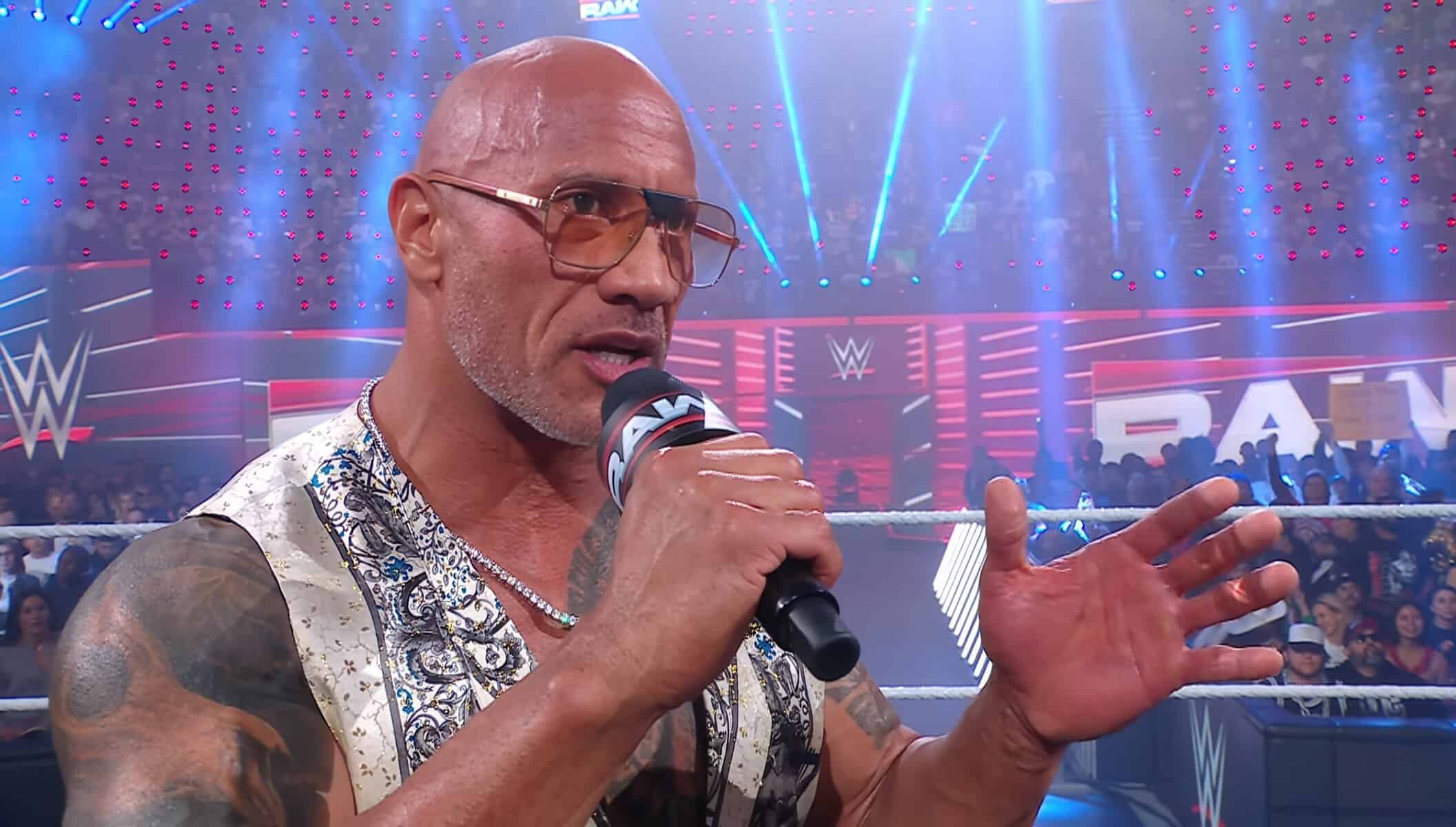
The UFC-White House link triggers a public departure
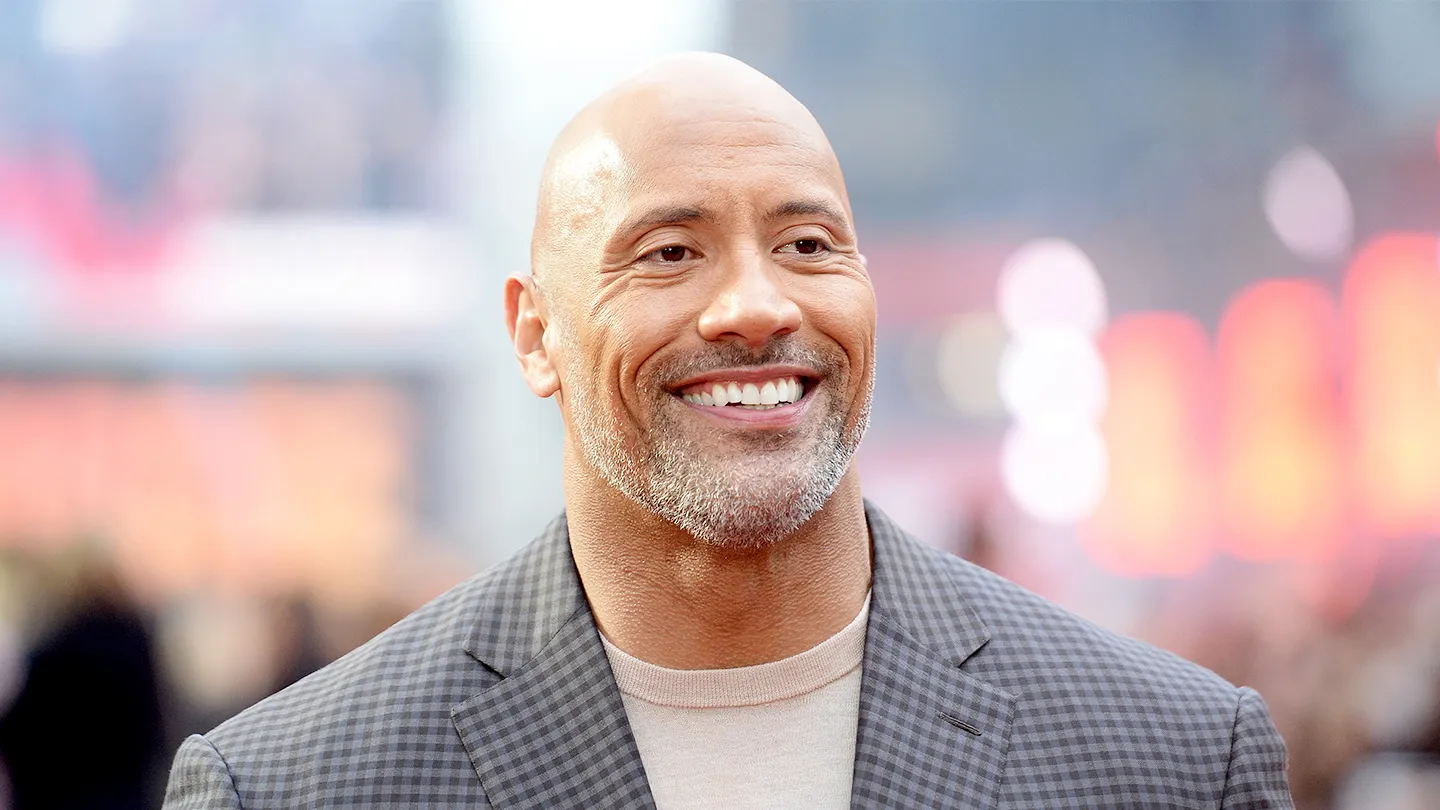
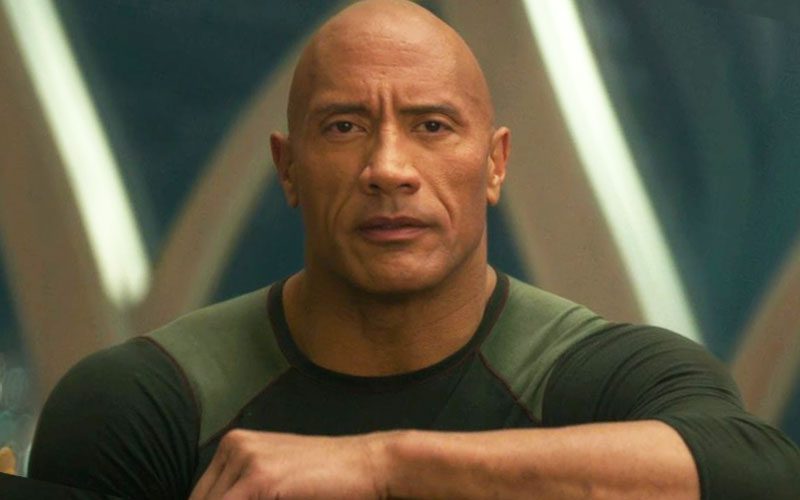
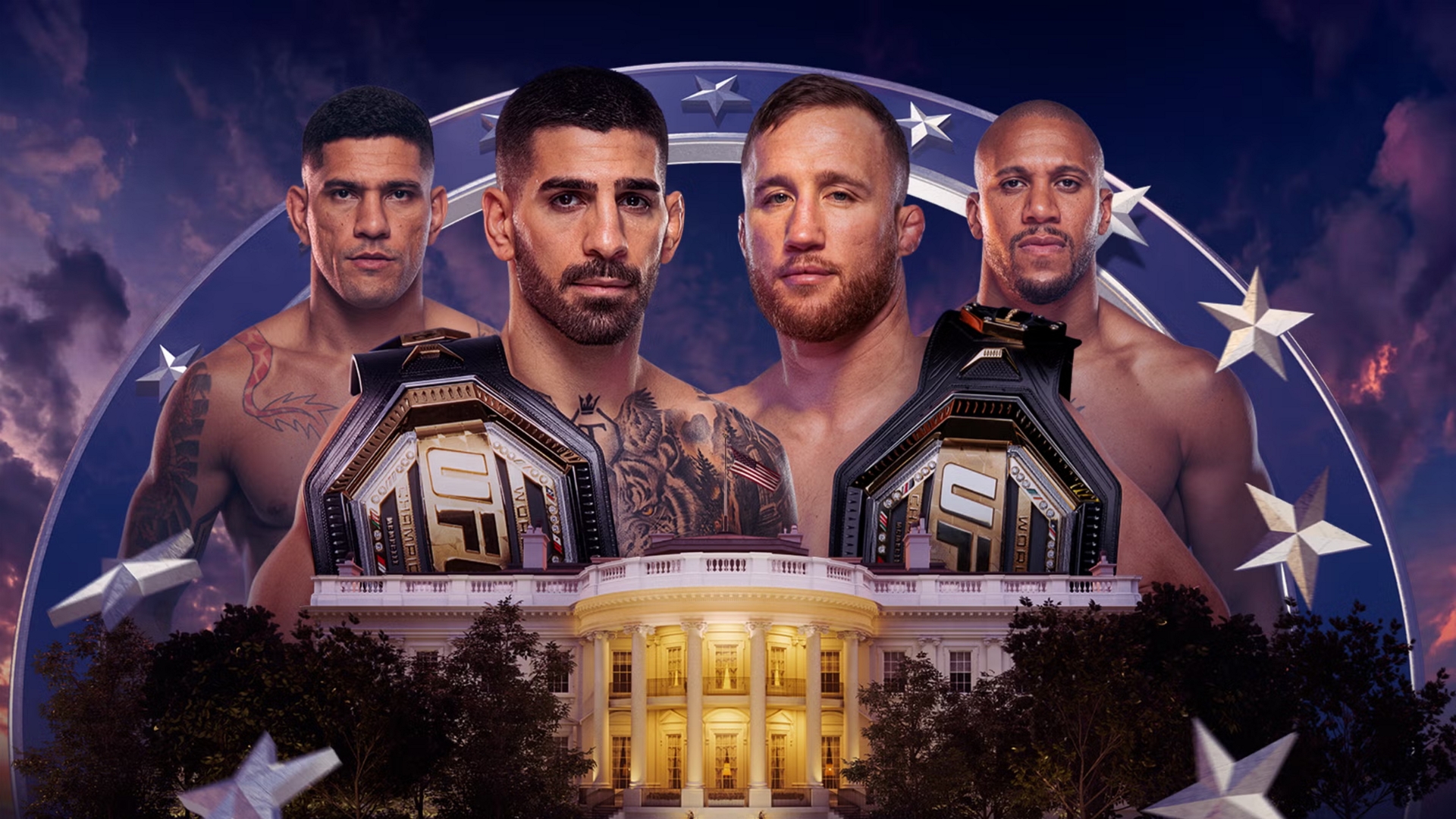
Dwayne Johnson has officially declined an invitation to the UFC Freedom 250 event hosted at the White House. This absence creates a public point of friction between Johnson and promotional head Dana White. The event, intended to blend the commercial might of the UFC with the political weight of the venue, is currently missing one of its most valuable potential assets.
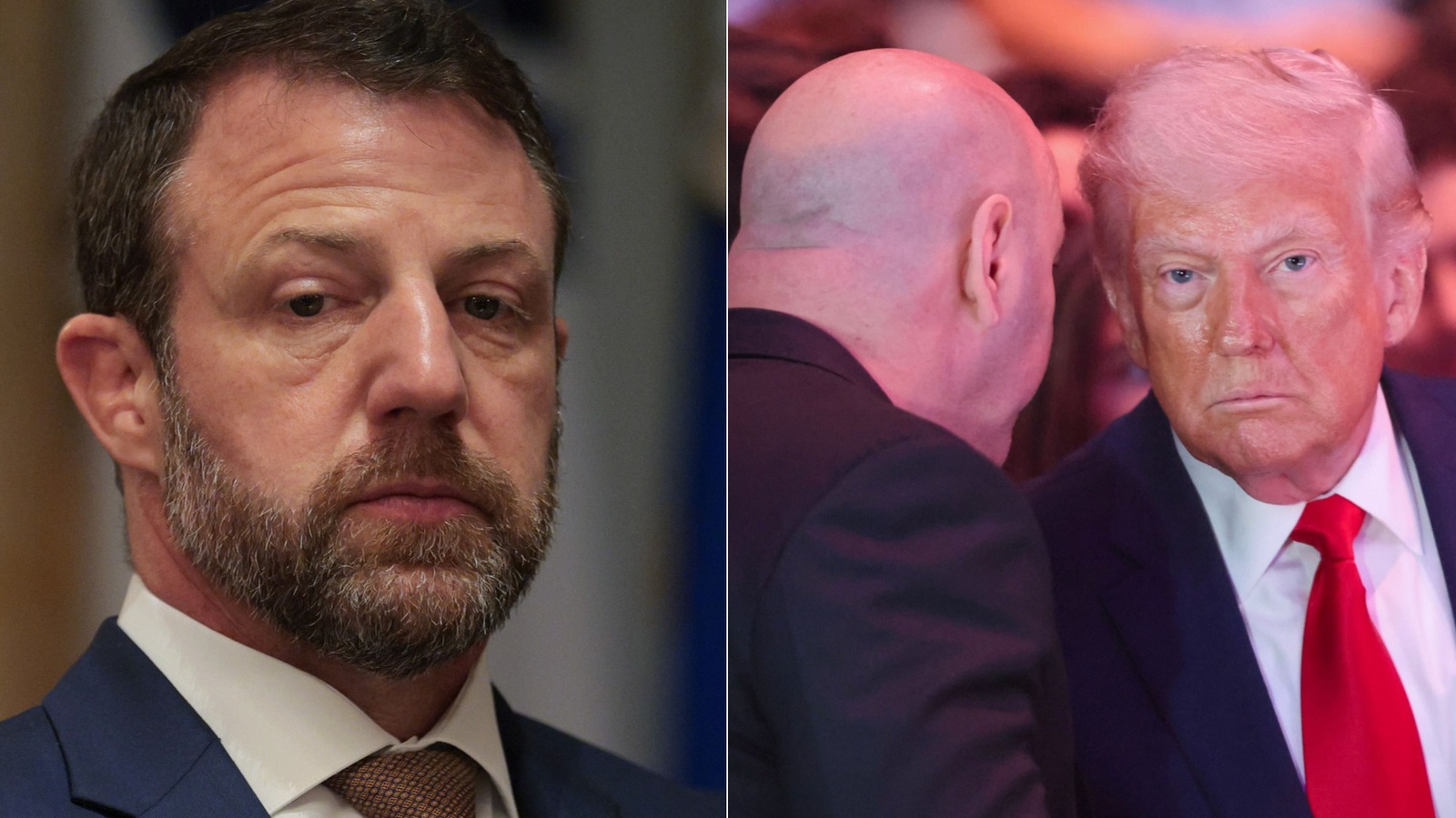
White previously aired a list of expected attendees via TIME Magazine, including high-profile figures such as Tom Brady, Guy Ritchie, and Jason Statham. Johnson’s refusal to participate complicates the narrative of a fully aligned entertainment wing for the UFC project. As BodySlam.net confirmed, Johnson chose to opt out rather than align with the spectacle.
Career trajectory in the post-Hollywood fatigue era
Johnson’s career depends on mass-market appeal. Aligning with hyper-partisan political sports events carries a degree of risk that directly contradicts his strategy of maintaining broad, household-name status. By declining this invitation, he effectively separates his brand from the specific political messaging surrounding the UFC Freedom 250 event.
Is this a break from wrestling or just a calculated branding move? His legacy in the ring is ironclad, but his outside influence relies on being universal. Participating in a high-profile, politically charged event like the UFC White House gathering would alienate precisely the demographics he spent decades courting during his ascent to the top of the card. A move like this shows a clear preference for business neutrality.
The creative and promotional fallout
The tension here is not purely political. It is about who controls the narrative of celebrity-backed fighting promotions. White wants to present a monolith of influence; Johnson wants to retain his autonomy. This creates a fascinating power dynamic if the two are ever forced to collaborate on a major card or cross-promotional venture.
There is, however, a critical flaw in Johnson’s current positioning. By choosing silence and distance, he invites speculation from fans about his actual allegiances. If he remains this detached for too long, he risks losing relevance among the younger, more aggressive audience that currently drives UFC growth trends. He is playing a long game, but the audience is already moving on to the next generation of stars.
Probability and outlook
The deal for Johnson appearing at this specific White House event is non-existent. The probability of him re-engaging with the White-led orbit ahead of any immediate card is low. Unless there is a massive shift in the PR strategy behind the event, do not expect to see him in the building.
If Johnson continues to decline these overtures, expect a shift in how the two men interact during official WWE appearances. We are likely looking at a scenario where their professional paths remain parallel, but never intersecting. The total absence of Johnson from this specific attendee list is the 0% chance of a high-profile crossover that White likely spent months attempting to secure.
The impact of this decision, if it holds, will be a cooling of the hype surrounding the UFC’s expansion into political optics. Without the star power of someone like Johnson, the event remains an echo chamber for UFC loyalists rather than a true cultural tentpole. The long-term success of the promotion depends on reaching outside the bubble, and this rejection proves that even the biggest names have limits.