The branding cycle hits a dead end
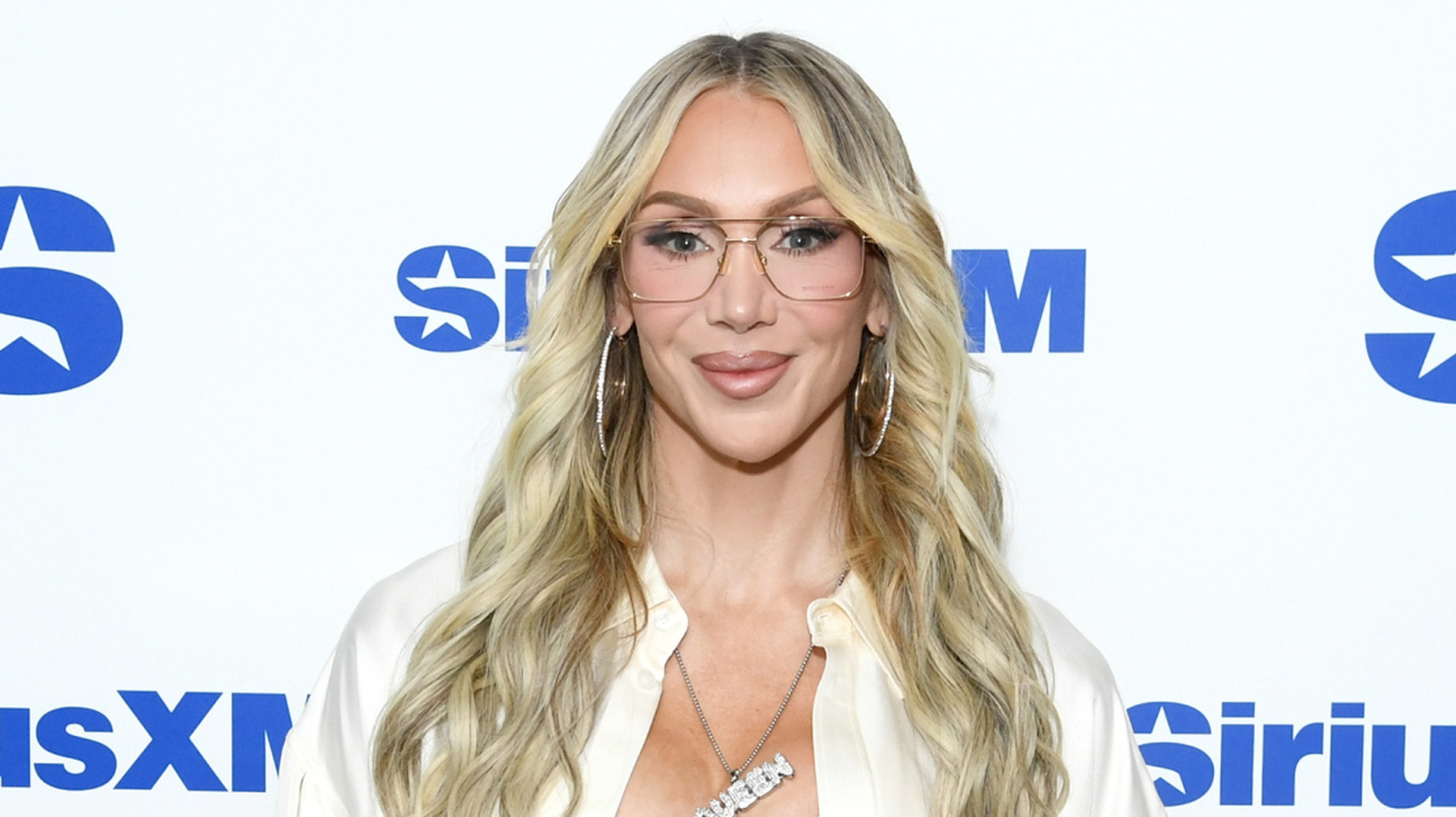
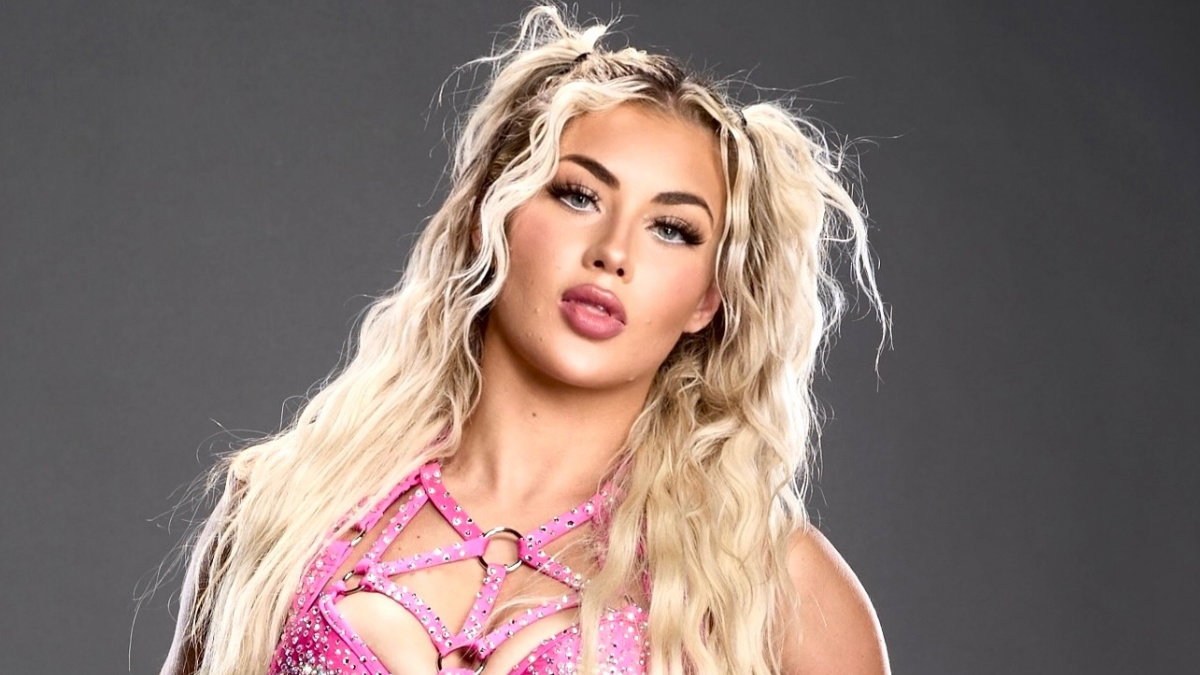
WWE’s recent filing for the name Kylee Quinn serves as a cynical reminder of how the current machine handles talent identification. Meghan Walker is the latest individual to be subjected to a cosmetic overhaul, trading a legitimate identity for a synthetic creation.
This is not a development borne out of creative necessity. It is the result of a trademark-first mentality that values intellectual property control over the organic growth of a performer. By stripping away existing monikers, the promotion frequently hollows out the very connection fans have cultivated long before arrival.
The identity crisis in the performance center
As reported by WrestleTalk, the transition from Meghan Walker to Kylee Quinn is already underway. This is a common pattern for incoming talent who often struggle to retain their momentum once their name is scrubbed of history.
When these changes occur, the audience is expected to suspend disbelief regarding the character's legitimacy. We are asked to accept a new aesthetic, a new billing, and a reset push, yet the ring work remains identical. If the fundamental product—the in-ring technique and storytelling—stays the same, the forced rebranding creates a disjointed experience.
The risk here is alienation. When you look at the recent trademark frenzy surrounding NXT’s expansion, it becomes clear that leadership cares more about building a standardized inventory than individual stars. Standardized inventory is replaceable. Stars are not.
The cost of efficiency
I have observed countless technicians and high-flyers vanish behind these naming conventions. Walker enters this system with a baseline expectation from fans who watched her development in the independent scene. To lobotomize that history for a trademarked name like Kylee Quinn is a strategic error.
It complicates the viewer’s ability to track progress. If a performer is constantly being reintroduced, the timeline of their development feels artificial. We watch them reach a certain level of technical proficiency, only to have the context reset by a front-office decision.
My contention is that this brand of micro-management acts as a 15 percent reduction in total audience engagement. Fans notice when their favorite athletes are treated like components. It makes the viewing experience feel less like a competitive sport and more like a corporate product rollout.
Predicting the ceiling
Kylee Quinn will likely receive a mid-card push as the promotion attempts to justify the intellectual property expenditure. However, the ceiling for such characters is lower than those allowed to maintain a genuine identity. Talent who control their own narrative possess more agency than those who are essentially leasing their name from the parent company.
I predict that despite a flash-in-the-pan debut, this specific rebrand will struggle to resonate during the Q4 performance cycles. The audience knows a repackage when they see one, and they are increasingly tired of the lack of continuity. Expect a slow start once the ring debut happens, as the crowd struggles to reconcile the new name with the performer they recognize.