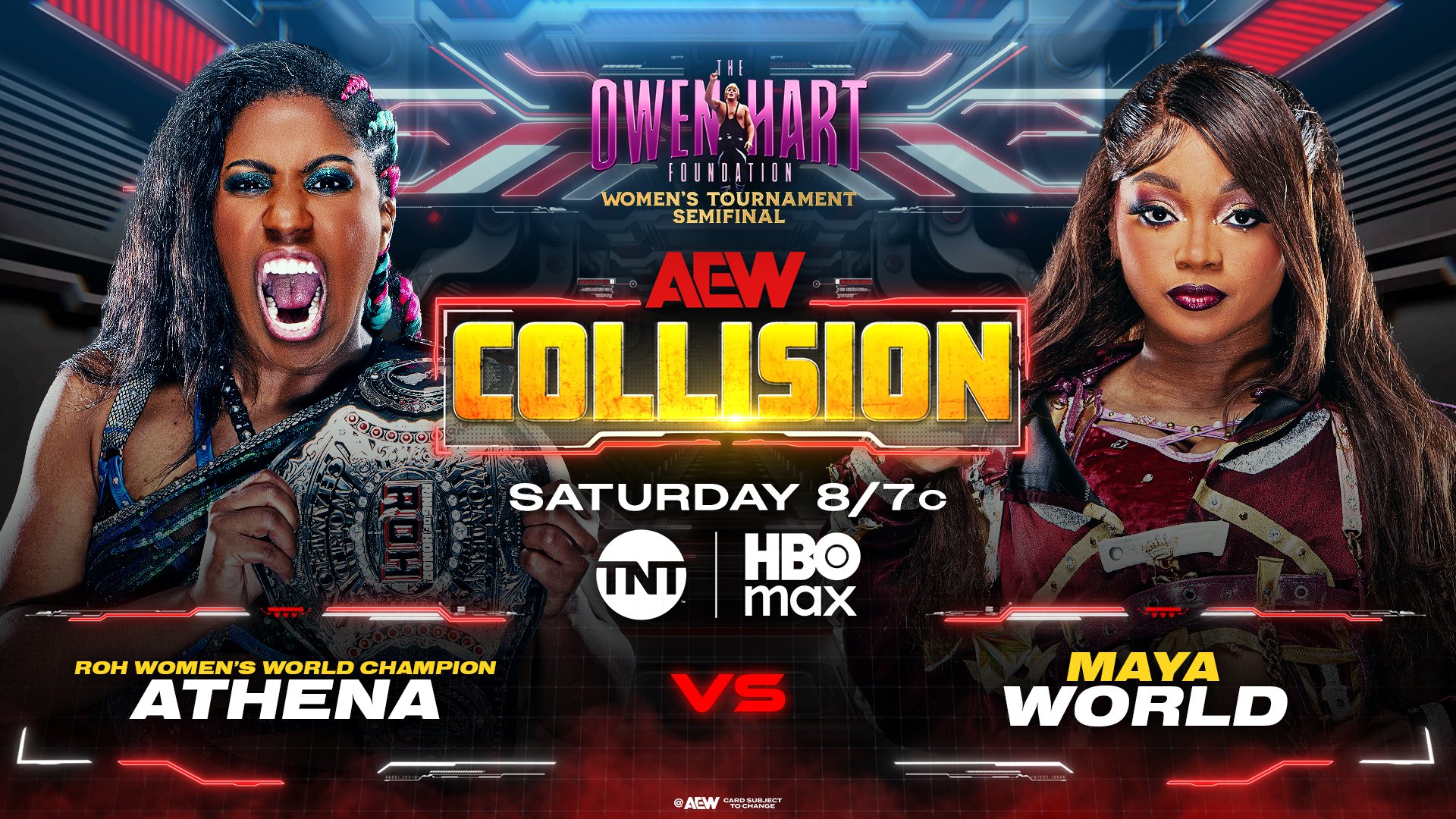
The tape delay disaster is killing the vibe on Saturday nights
Let’s talk about that glaring elephant in the arena. AEW Collision airing a show taped on Wednesday, June 17th, on a Saturday night feels like watching a rerun of a sitcom you already hated. We are sitting here on June 20th consuming television that was buried in the can for three days like a forgotten cold cut in the back of the fridge.
Transparency is the lifeblood of professional wrestling. When you strip away the live element of a show like Collision, you turn the entire broadcast into a spoiler-filled waiting room. As reported by BodySlam.net, the Sugar Land tapings were done and dusted before half the audience even finished their work week. You cannot build genuine heat when the internet already scrubbed the result raw forty-eight hours prior to the opening bell.
The booking math just isn't adding up
I love this company, but sitting through a taped show in the middle of June highlights everything frustrating about the current production strategy. You lose the kinetic energy that makes Saturday night wrestling actually interesting. When the crowd reacts to a false finish, it rings hollow because you know they’re reacting to a moment that happened when most people were probably at a grocery store.
There is also a massive issue with the internal pacing of these tapings. Trying to cram two distinct narratives into a single filming block usually results in the second show feeling like an afterthought. We saw the results spill out, and honestly, the lack of real-time stakes makes the mid-card talent look like they’re running drills rather than wrestling for a spot on the next pay-per-view card.
Why the post-production shuffle is a bad look
It’s not just the spoilers that irk the hardcore nerds. It’s the sheer disregard for the viewing experience. Television is supposed to be a dialogue with the audience. When you hold a show for three days, you treat the viewer like a passive observer rather than a participant in the hype cycle.
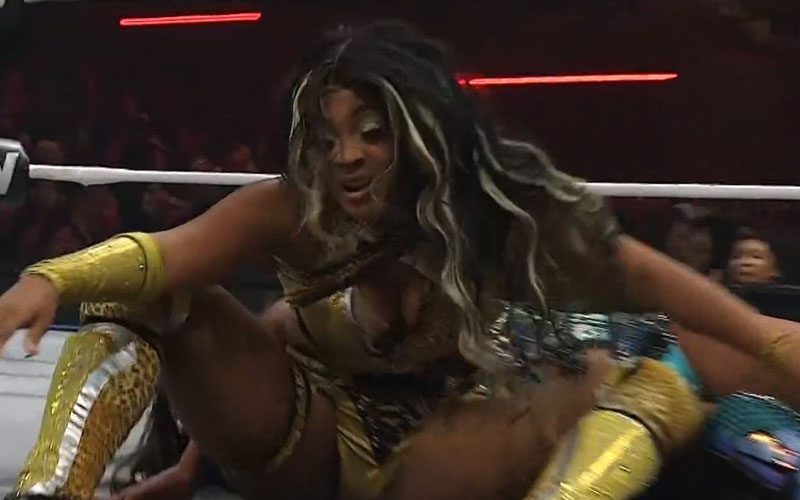
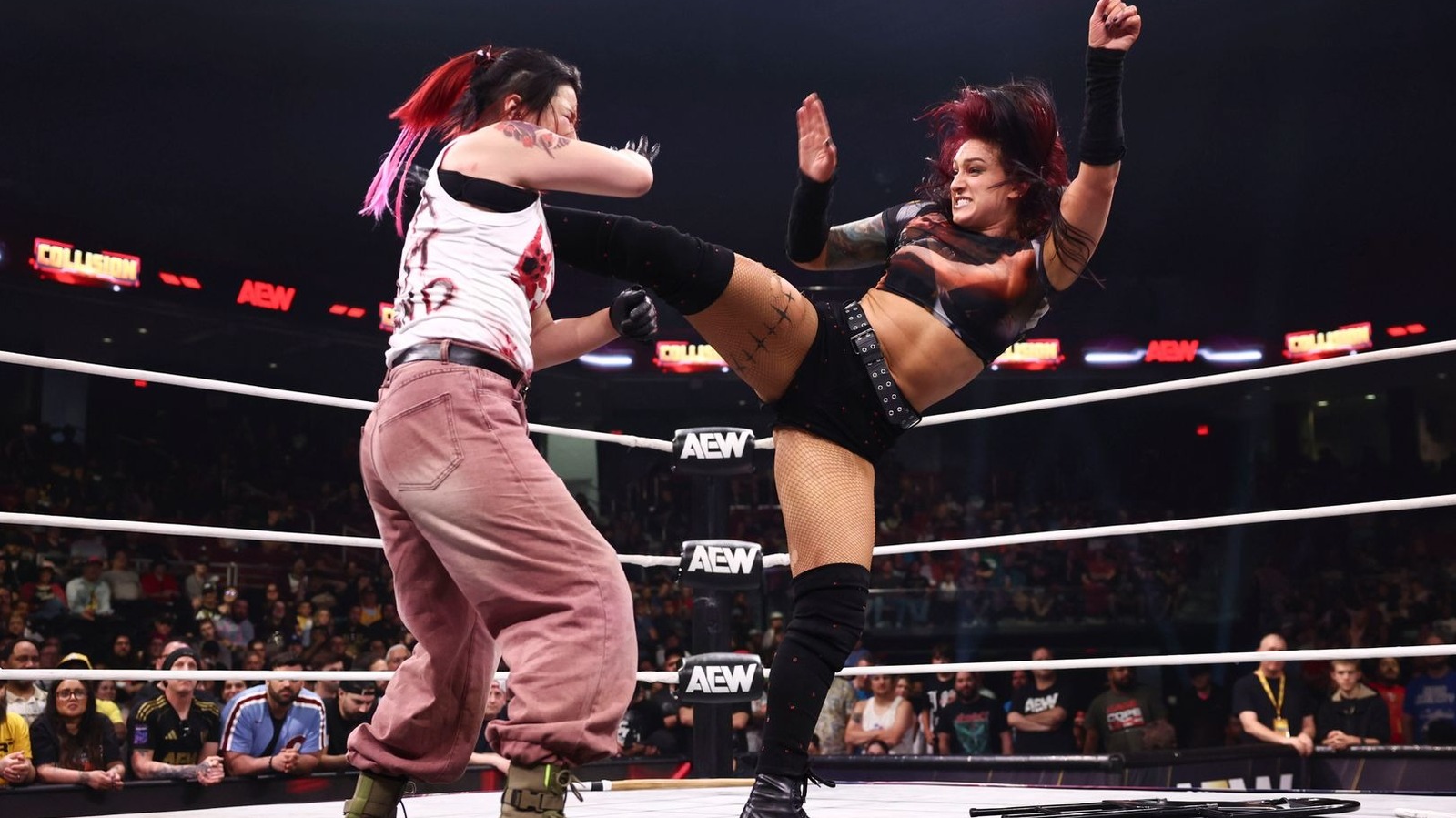
They managed to pull off some decent sequences in the ring, but even the crispest belly-to-belly suplex gets lost when you’re watching it with the knowledge that it already happened back on Wednesday. Taking the energy out of the broadcast makes technical mistakes stand out more. A clunky transition or a missed cue doesn't just pass by—it lingers under the harsh light of a pre-recorded disaster.
The need for a reality check
Management needs to look at the bottom line. Is the cost savings of packing a double taping worth the inevitable drop in viewer engagement? I suspect the answer is a hard no. You can’t simulate the feeling of a live crowd erupting for a hot tag when the air has been let out of the room by the social media cycle.
This isn't an attack on the roster. The talent is showing up and busting their backs to execute moves, but they’re fighting an uphill battle against a production schedule that feels like it was designed by a disgruntled accountant. If we want to reach the next level of legitimacy, we need to stop treating Saturday night like a throwaway weekend slot.