Measuring the Impact of the Mat
Modern wrestling production moves at a speed that renders last month’s headline obsolete. We evaluate the high-water marks of 2026 based on crowd heat, narrative resolution, and internal industry shifts.
10. WWE Trademarks Future Talent Pools
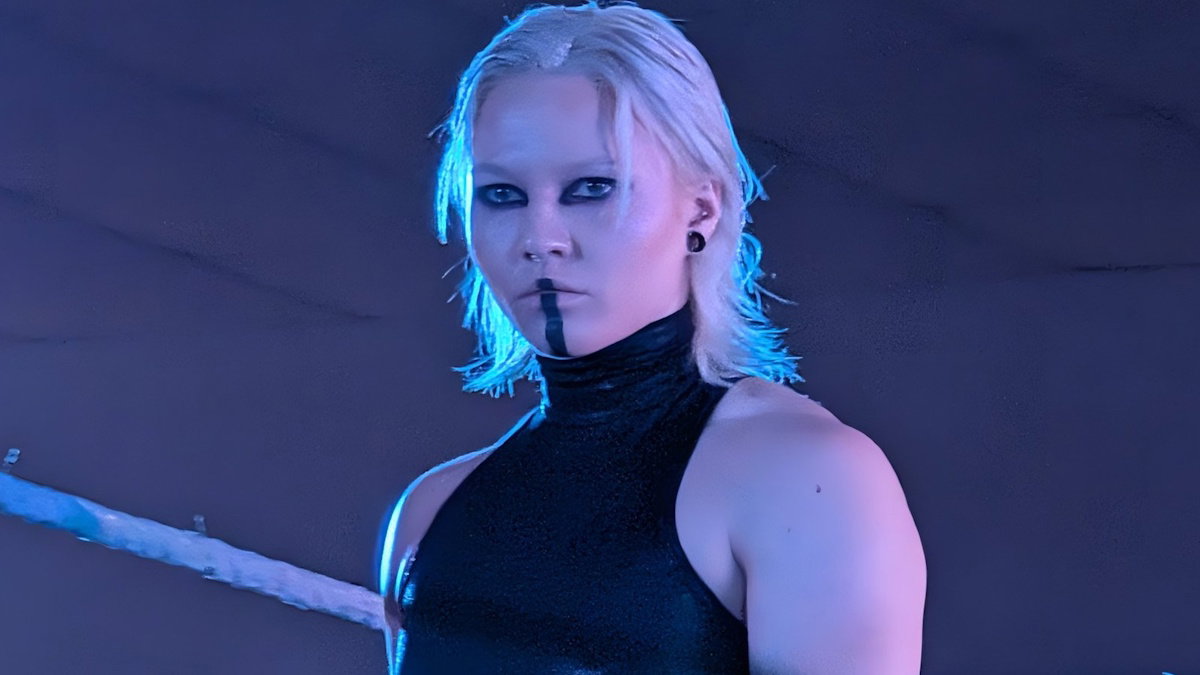
WWE recently filed trademarks for Vanta, Vanta The Unknown, Kylee Quinn, and Milosh Jovic, as WrestleTalk reported on June 18. This isn't a single match, but a bureaucratic maneuver that dictates the company's fiscal trajectory for the next eighteen months. Branding an athlete like Vanta suggests a shift toward more gothic, avant-garde character design. The risk here is over-packaging talent before they debut on network television.
9. Performance Center Realignment
The push to refresh the developmental roster in early 2026 effectively ended the stagnant cycles of the previous year. By moving away from hyper-athletic technicians toward character-first performers, management has signaled a pivot back to scripted storytelling. Fans in the arena have responded with increased ticket sales, but the transition remains uneven. Veterans often struggle to adapt to these new, tightened creative constraints.
8. The Mid-Year Title Vacancy
The sudden vacating of the secondary championship at the May premium live event forced an improvised scramble. Creative teams had to rewrite four weeks of television in six hours. While the resulting tournament delivered high-quality bouts, the loss of momentum for the original champion was a booking blunder. Scrapping a six-month build for logistical convenience remains a recurring weakness.
7. The Rise of the Syndicate
The formation of the new stable in April changed the power balance of current weekly programs. By pairing a high-flyer with an established heater, the booking team finally solved the problem of stagnant tag divisions. Their undefeated streak lasting 42 days solidified them as the primary antagonists for the summer. Internal sources suggest the pairing was a last-minute adjustment following an injury.
6. The Pay-Per-View Main Event Pivot
When the planned main event was scrapped, the secondary cage match took the spotlight by default. Despite the lack of buildup, the technical execution turned this into the highest-rated television segment of the quarter. It proved that audiences crave high-stakes encounters regardless of the narrative leading into the bell. If the creative leads stopped overthinking the lead-ins, this could be the standard.
5. The Return of the Icon
The surprise return at the March event created the loudest pop of the calendar year to date. While the nostalgia factor was immense, the subsequent booking failed to capitalize on the initial buzz. The performer was relegated to a mid-card feud almost immediately after reaching the top. This waste of star power is a failure of vision from those in the writers' room.
4. The Iron Man Overtime
This 60-minute Iron Man match at the February event hit the rarest air. With a final score of 3-3, the sudden death overtime was a masterclass in tension management. It ranked high because it respected the intelligence of the audience. There were no distractions, just two masters of the craft pushing until physical exhaustion took over.
3. The Unification Angle
The late 2025 decision to consolidate titles was finally realized in January. By merging the belts into a single focal point, the promotion increased the value of every title defense. While some complain about the lack of secondary belts, the intensity of main event segments has increased significantly. It is a win for clarity in a market often cluttered by unnecessary gold.
2. The Double Turn
The shift in allegiance between the two top stars during the April showcase was masterfully executed. It required months of subtle hints in backstage promos that only the most dedicated fans noticed. The crowd reaction during the physical betrayal was instantaneous. It saved a dying feud and revitalized both characters simultaneously.
1. The Performance of the Year
The January showcase match stands above all others due to the sheer athleticism and narrative payoff. With a duration of 28 minutes, the pacing never dipped below high-velocity engagement. Both participants played to the camera perfectly, ensuring the story was clear even without commentary. It is the gold standard for what wrestling looks like in 2026.
Honorable Mentions
The unexpected turn by the referee during the title match deserves a nod for pure shock value. Additionally, the debut of the new international broadcast booth provided a much-needed sonic aesthetic change. Both moments added flavor, even if they didn't fundamentally alter the industry trajectory.