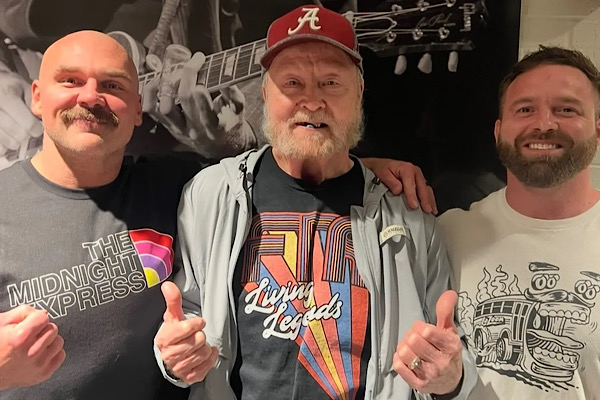
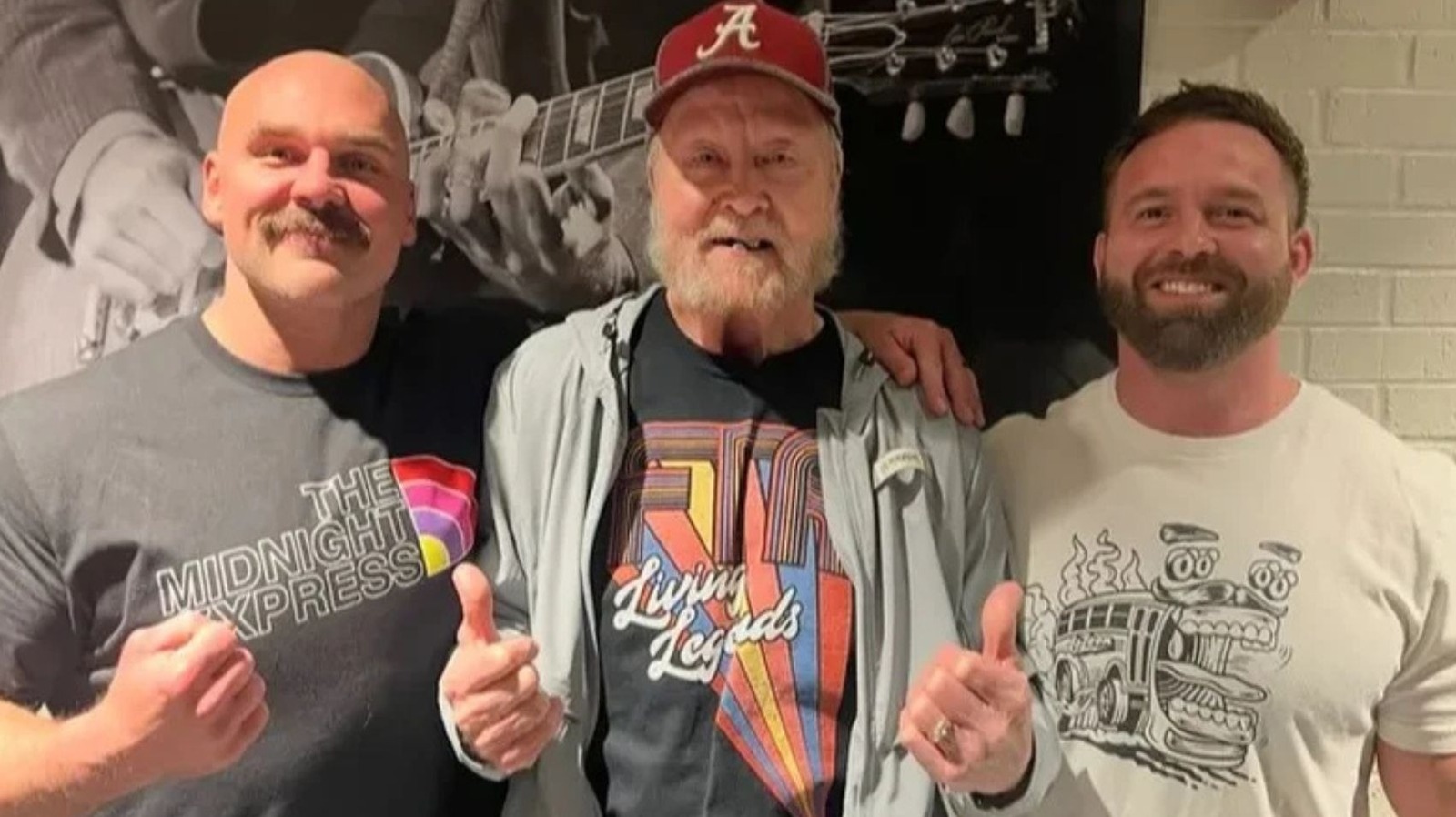
The blueprint of tag team excellence
When we look at the evolution of tag team wrestling, we often fixate on the high-flying spots of the modern era. However, the foundation was poured by guys like Dennis Condrey. As PWInsider reported, the passing of this Midnight Express legend at age 74 marks the end of a specific chapter in Southern wrestling history.
Condrey wasn't just a guy who knew how to throw a punch. He understood the geometry of the ring. Alongside Bobby Eaton, he mastered the art of the heat sequence, turning routine tag matches into masterclasses of psychology. You can draw a straight line from their work in Mid-South and the NWA to the current tag team divisions in AEW and WWE.
The impact of his passing
The outpouring of respect from across the industry has been immense. It is rare to see such a unified front, but the influence of the Midnight Express is undeniable. Paul Heyman and others have spent the last few days highlighting exactly why Condrey remains a touchstone for any serious student of the game. Even figures like Dax Harwood have taken action to support his family during this difficult time.
Harwood launched a GoFundMe to assist the family, which serves as a reminder that the wrestling business often relies on its own to take care of its legends. It is a sobering reality check for fans who get caught up in the weekly booking cycles. We lose the architects of the style we love, and the industry often struggles to provide the support they earned.
Predicting the legacy impact
Looking ahead, I predict we will see a massive uptick in appreciation for the 1980s NWA tape library. Younger fans often skip over the slower, more methodical matches of that era, but Condrey’s work is going to be the new standard for film study. The technical precision of his work will eventually force a shift in how modern tag teams approach their pacing.
The current product is often criticized for being too reliant on high-spots and near-falls that lack emotional stakes. Condrey’s career is the perfect antidote to that. If you watch his matches against the Rock 'n' Roll Express, you see exactly how to build a 20-minute match that keeps a crowd on the edge of their seats without needing a dozen superkicks.
My prediction is simple: the next generation of tag teams will move away from the current indie-style scramble. They will lean into the classic tropes of cut-offs and double-team maneuvers that Condrey perfected. It is not just about nostalgia. It is about efficiency. When you watch the way he moved, you see a man who never wasted a motion.
The industry owes a massive debt to the founding members of the Midnight Express. While the current booking of tag teams in major promotions remains inconsistent, the blueprint for success is sitting right there in the archives. We should expect to see more tributes and perhaps a renewed focus on tag team psychology in the coming months as promotions look to honor the pioneers of the craft.
Ultimately, Condrey leaves behind a legacy that is 100% authentic. He was a heel who could make you believe, and a technician who made his opponents look like world champions. The industry is poorer for his loss, but his impact on the ring remains permanent.