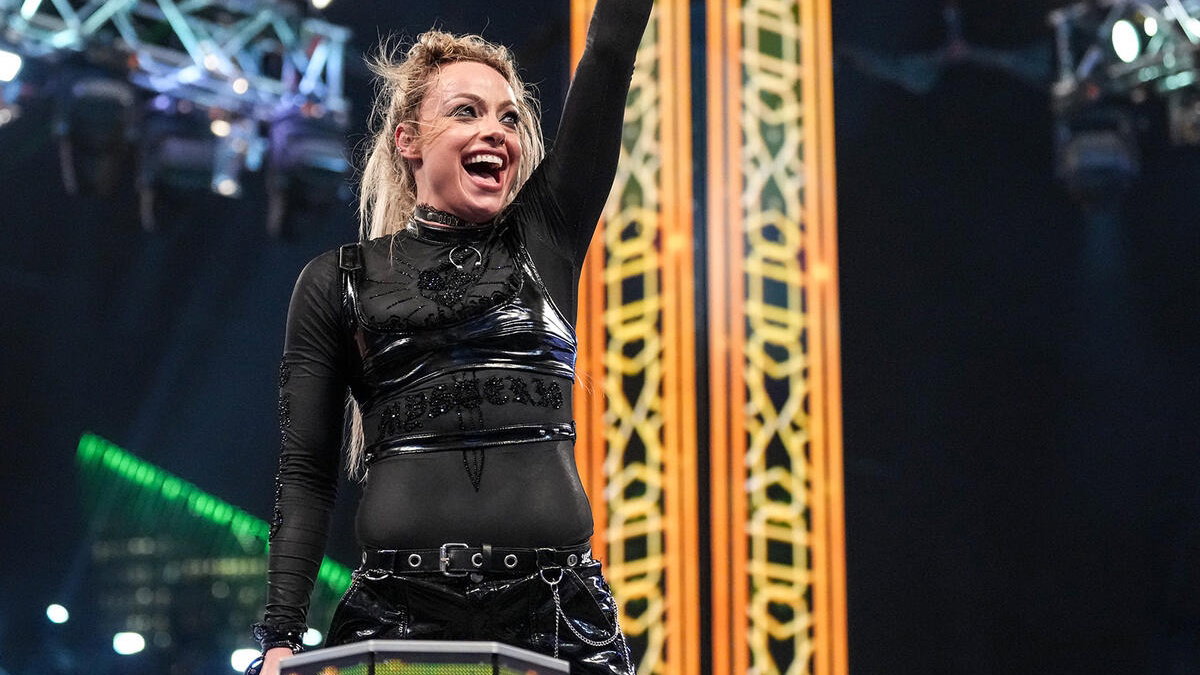
Why Liv Morgan was right to pivot away from babyface

The evolution of a character arc
Professional wrestling often traps performers in a binary loop. You either play the underdog forever, chasing a title you only narrowly fail to reach, or you transition into the cartoonish antagonist. When Liv Morgan made the intentional shift to a heel persona in 2024, many saw it as a temporary change of pace. The reality, as noted in reports by Ringside News, is that Morgan recognized a fundamental ceiling on her previous iteration.
The standard babyface act in the modern era rarely provides the necessary narrative texture to sustain long-term interest at the top of the card. A hero who is constantly wronged experiences diminishing returns after the third or fourth failed title pursuit. Morgan understood that by adopting a more callous, self-serving approach, she could shift the focus from her vulnerability to her agency. She is no longer looking for validation from the crowd; she is demanding it through hostility.
The strategic benefits of the heel turn
Looking back at her career trajectory prior to 2024, the repetition was becoming physically and narratively taxing. The crowd reaction had plateaued because the story had become predictable: Liv enters, Liv fights hard, Liv experiences a heartbreak. By discarding the good-natured veneer, she opened up a wider range of psychological maneuvers. In-ring psychology is significantly more effective when the performer isn't working to elicit sympathy, but rather to disrupt the rhythm of their opponent.
This shift has allowed for a much cleaner integration into main events. Matches now center on how her opponents react to her psychological warfare rather than relying on the audience to dictate the pace via cheers. When she enters the ring now, the dynamic has shifted from a participatory event to a localized drama where the outcome feels more precarious. The crowd no longer feels like they are rooting for a friend, but rather reacting to a calculated threat.
Flaws in the current booking logic
Despite the success of the transition, the booking surrounding her current run has not been without its faults. At times, the writers have struggled to commit fully to her heel intensity, occasionally having her slide back into tropes that feel disconnected from her 2024 transformation. There is a specific danger in presenting a heel who is too efficient; if she dominates every segment without a believable obstacle, the antagonism loses its sharp edge. She needs antagonists who force her to act even more viciously, not just squash matches that serve no narrative purpose.
Looking toward WrestleMania 41, which sits just 14 days away, the company faces a reality check regarding how they present this character on the biggest stage. A true heel arc requires high-stakes moments that leave the audience wondering if, for once, the villain might actually hold all the cards. If the match design at WrestleMania leans too heavily on nostalgia or traditional structures, they risk diluting the very character work Morgan has refined over the last two years.
Maintaining this momentum requires more than just an aggressive attitude on the microphone. It requires a commitment to the cold logic she has built. If the creative team forces a premature pivot back to a sympathetic position—reverting to the old Liv Morgan—they will undo the credibility she spent significant time constructing. As we approach mid-April, the narrative focus should be on how her newfound edge creates a tangible shift in the power dynamics of the women's division. The fans have responded to the change; the writers must now protect the investment.
WWE Elite Series 110 - Roman Reigns
Acknowledge the Tribal Chief with this premium Elite figure.
Frequently Asked Questions
Why did Liv Morgan transition to a heel persona in 2024?
How has the heel turn improved Liv Morgan's in-ring performance?
What are the common issues with Liv Morgan's current booking?
Why was the babyface character arc no longer sustainable for Morgan?
What is required for the long-term success of Morgan's villainous arc?
More Coverage

When influencers overstep: The Penta mask incident and WWE’s standards
2 hours ago
Why the N3on incident proves WWE needs tighter security at events
2 hours ago
NJPW G1 Climax 36 is already pushing bodies to the brink
2 hours ago
Injury report update: Assessing the status of top WWE talent
2 hours ago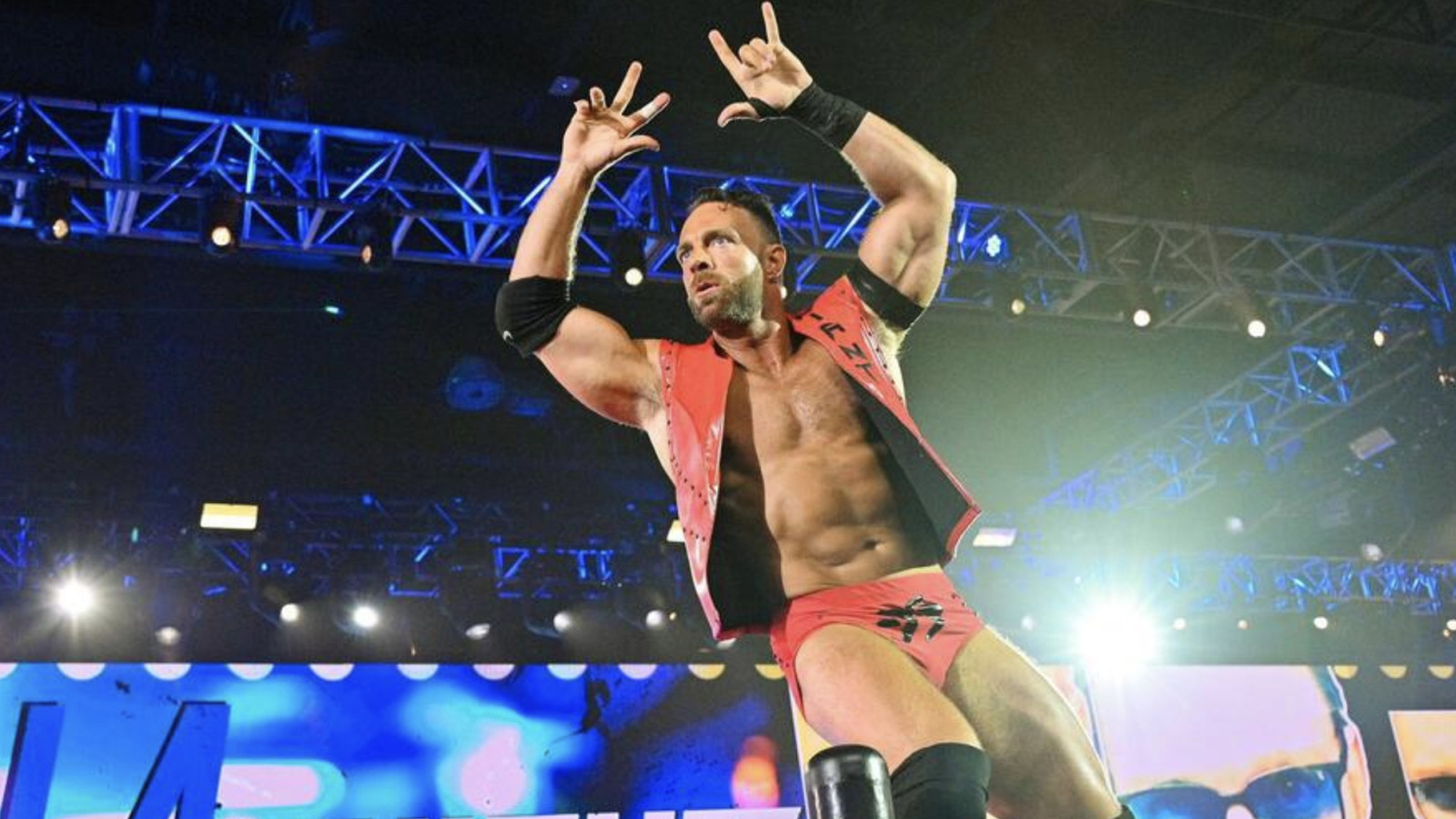
Jacob Fatu vs LA Knight is the chaotic energy Raw needed
2 hours ago
WWE mid-card booking is suffering from a lack of long-term vision
2 hours agoMore Analysis

Liv Morgan's Unscathed Ascent: Character Work Fuels WrestleMania Momentum
3 months, 1 week ago
Why Liv Morgan’s Joker act is finally going to break Rhea Ripley at WrestleMania 41
3 months, 1 week ago
Liv Morgan's irritating theme is her greatest tactical weapon
2 months, 1 week ago
Liv Morgan is playing a dangerous game with her character stakes
4 weeks, 1 day ago
Why WrestleMania 41 is the turning point for the women's division
3 months, 2 weeks ago