Unblemished Record: Morgan's Physical Readiness for WrestleMania
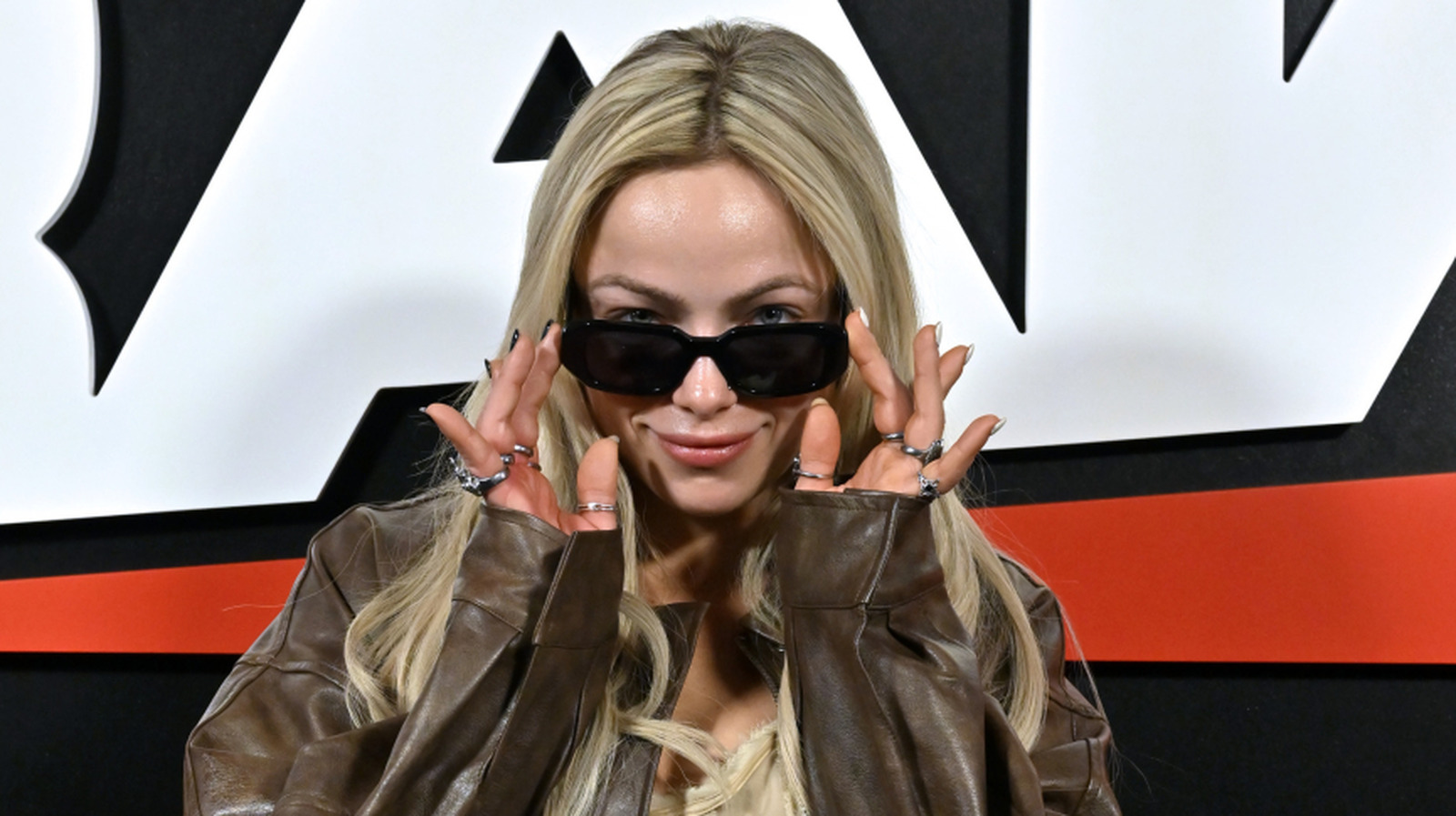
As the road to WrestleMania 41 intensifies, Liv Morgan stands out for an unexpected reason in the often-brutal world of professional wrestling: a clean bill of health. In a sport where injury reports frequently dominate headlines, Morgan has maintained an unblemished physical record, defying the attrition that often sidelines top performers during high-pressure cycles. This sustained physical readiness is a critical asset, especially with the high-stakes environment of WrestleMania 41 looming just over twelve days away on April 19th.
Her consistent in-ring presence underscores a robust physical conditioning regimen, a critical factor given her increasingly aggressive and psychologically demanding character work. A "medical and fitness reporter" lens reveals her current performance level is not simply about athletic execution, but also about the sustained mental and physical energy required to embody a persona driven by obsession. This demands more than typical strength and cardio; it necessitates heightened situational awareness to minimize impact while maximizing dramatic effect.
Morgan’s current wrestling style, characterized by sudden bursts of aggression, unbridled brawling, and a willingness to absorb punishment, requires significant joint stability and muscle endurance. Unlike technical grapplers, her approach often involves chaotic sequences and less controlled landings. The lack of reported injuries indicates a meticulous approach to recovery and training, perhaps focusing on eccentric loading and plyometrics to build resilience against unpredictable impacts.
The Heel Turn: A Calculated Physical and Mental Shift
Morgan’s transformation into a formidable heel persona, which began in late 2024, is not merely an aesthetic change. It represents a fundamental shift in her approach to matches and opponent interactions, demanding a different kind of stamina and impact absorption. She has publicly embraced this role, stating clearly her disinterest in reverting to a fan-favorite "babyface" role. This conviction suggests a deep psychological commitment that directly translates to her in-ring intensity, enabling her to execute more impactful and less traditionally sympathetic maneuvers.
The strategic choice to remain a heel, as she explained to Ringside News, allows her to dictate the pace and aggression of her matches, often putting her in control. This proactive style, while physically taxing, can paradoxically reduce certain injury risks associated with reacting to an opponent's offense. By initiating contact and controlling sequences, she minimizes unexpected impacts and awkward falls that often lead to acute injuries. It’s about controlling the narrative, both literally and physically, within the squared circle.
Historically, wrestlers who master the heel role often find ways to work smarter, not just harder. They conserve energy through strategic stalling and calculated bursts of violence, contrasting with the often-relentless, high-spot dependent pace of many babyfaces. This intellectual approach to performance can extend careers, protecting the body from unnecessary strain while still delivering compelling, intense storylines. Morgan appears to be adopting this veteran-level control.
Obsession Personified: The Rhea Ripley Dynamic and its Demands
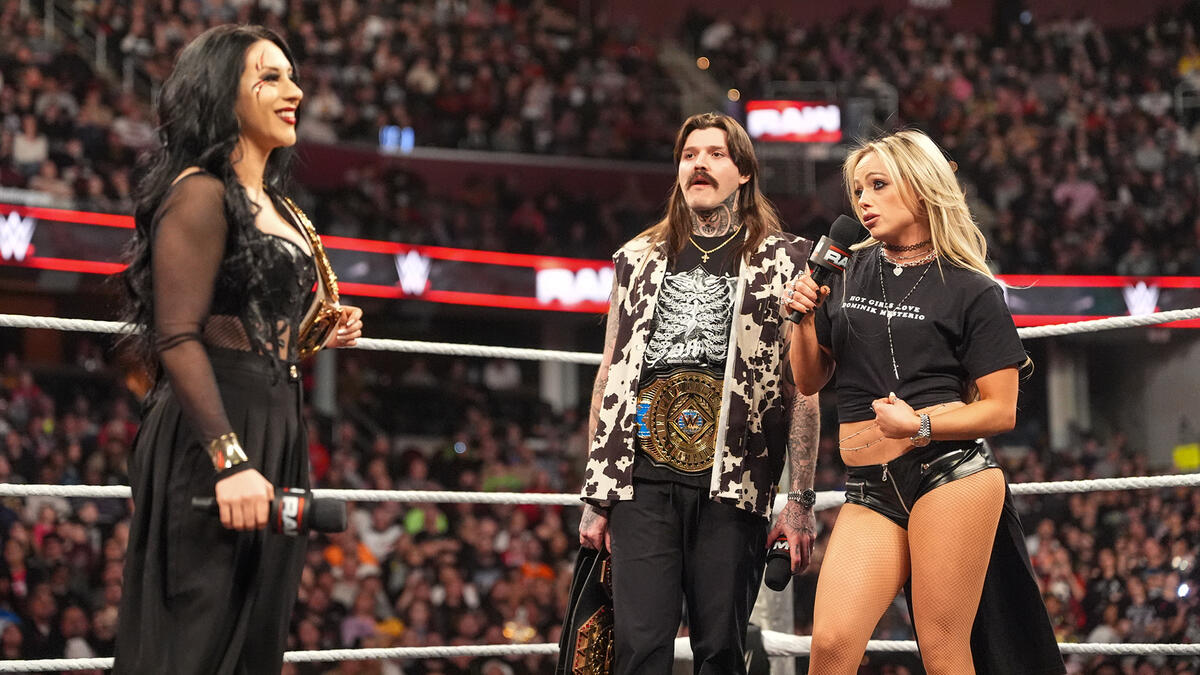
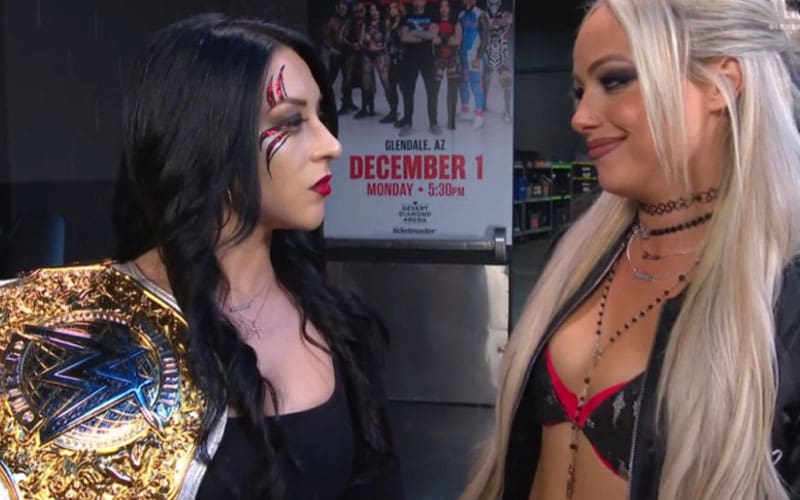
Central to Morgan’s current character is her intense, almost singular focus on Rhea Ripley. This rivalry has been dubbed by Morgan herself as a "Batman to my Joker" dynamic, as reported by WrestlingNews.co. Such a character-driven feud demands not only emotional investment but also sustained physical storytelling, often involving prolonged, high-impact sequences designed to convey animosity. The nature of this rivalry—personal, vindictive, and frequently erupting outside scheduled matches—adds another layer of physical unpredictability.
The physical demands of portraying an "obsessed" character are significant. It requires a constant, elevated level of intensity that can be more draining than a conventional rivalry. Medical observation suggests that maintaining such a persona for extended periods can lead to mental fatigue if not properly managed, potentially increasing the likelihood of unforced errors in the ring. This mental taxation, if left unchecked, could manifest as physical lapses, making proper rest and psychological decompression paramount for Morgan's continued well-being. Her consistent high-level performance indicates she is managing these pressures effectively.
Consider the physical toll of wrestlers locked in long-term, high-intensity feuds. Bret Hart and Shawn Michaels, for instance, delivered incredibly physical matches over years, contributing to cumulative wear. While Morgan's feud hasn't reached that historical length yet, the emotional intensity she projects requires her to push boundaries. This kind of program necessitates not just physical training but robust stress management and recovery protocols to prevent burnout, both mentally and physically.
WrestleMania Aspirations: A Showcase of Durability
Morgan’s comments regarding the prospect of headlining WrestleMania reflect a career-long ambition, a goal that requires peak performance both physically and creatively. The gravity of such an event means every athlete pushes their limits, and Morgan's injury-free status positions her optimally to capitalize on any opportunity presented at WrestleMania 41. The ability to enter the biggest show of the year without any pre-existing conditions or limitations allows for maximum flexibility in match planning and execution, benefiting both the performer and the audience.
Historically, performers entering major events without nagging injuries often deliver superior, more dynamic performances. The wrestling industry has seen countless examples where last-minute injuries have derailed meticulously planned storylines and championship bouts. From Stone Cold Steve Austin's persistent neck issues to Edge's career-ending (and then reviving) cervical spinal stenosis, physical setbacks have irrevocably altered main event pushes. Morgan's current physical state is a significant asset, allowing creative teams maximum flexibility in her booking without the constraints of a recovery timeline.
Her durability through a challenging character arc contrasts with other high-profile talents who have recently succumbed to injury. The physical toll of WWE’s schedule is relentless, making Morgan’s clean health sheet a testament to her dedication to preventative care, effective training, and perhaps a degree of luck. This allows her to fully commit to her in-ring narrative without the specter of physical limitation.
The Critical Edge: Character Sustainability and Booking Oversight
While Liv Morgan's commitment to her heel persona is undeniable, a critical observation emerges regarding its long-term sustainability. The "obsessed ex-friend" trope, while effective in short bursts, can quickly grow stale if not carefully evolved. Her intense focus on Rhea Ripley, while yielding compelling segments, risks pigeonholing her if the feud extends too far beyond its natural conclusion without new layers or targets. The audience’s patience for a one-dimensional obsession, no matter how intensely portrayed, has historically proven limited, often leading to diminished reactions.
The booking strategy around her character appears to lean heavily on the "damaged psyche" narrative, which, while offering dramatic potential, can limit her ability to convincingly challenge other top contenders once the Ripley saga inevitably concludes. This reliance on a single, all-consuming rivalry, from a creative health standpoint, presents a potential bottleneck for her broader main event trajectory in the post-WrestleMania landscape, irrespective of her physical prowess. A diversified set of feuds, even within the heel persona, would provide more opportunities for character growth and showcase a wider range of her capabilities, preventing creative stagnation.
For a performer in peak physical condition, this creative stagnation would be a significant missed opportunity. The inability to pivot effectively to new challengers or storylines means prime athletic years could be spent rehashing familiar beats, rather than ascending to new heights. The danger lies not in Morgan's physical state, but in the creative team's potential oversight in evolving her character beyond its current, highly specific focus, thus limiting her long-term impact on the women's division.
Morgan's current path showcases a performer at the height of her physical and character-driven powers. Her ability to remain injury-free while delivering a nuanced, aggressive character is a testament to her dedication. The coming weeks, leading into WrestleMania 41, will solidify whether this intense focus on character work can transcend the immediate feud and propel her to consistent main event status, or if the intensity of her current persona becomes a creative cul-de-sac. Her physical health is clearly not the limiting factor; creative direction now holds the key.
Read Next
- Rey Mysterio in a ladder match at his age is absolute insanity
- Michael Cole opens up on his biggest commentary regret at WrestleMania 37
- Vince Russo's return to the spotlight is a desperate look backwards
- Why WrestleMania 41 needs to pivot before the show even starts
- 🏆 WrestleMania 41 — Full Coverage Hub