The Chicago Return and the Hometown Crutch
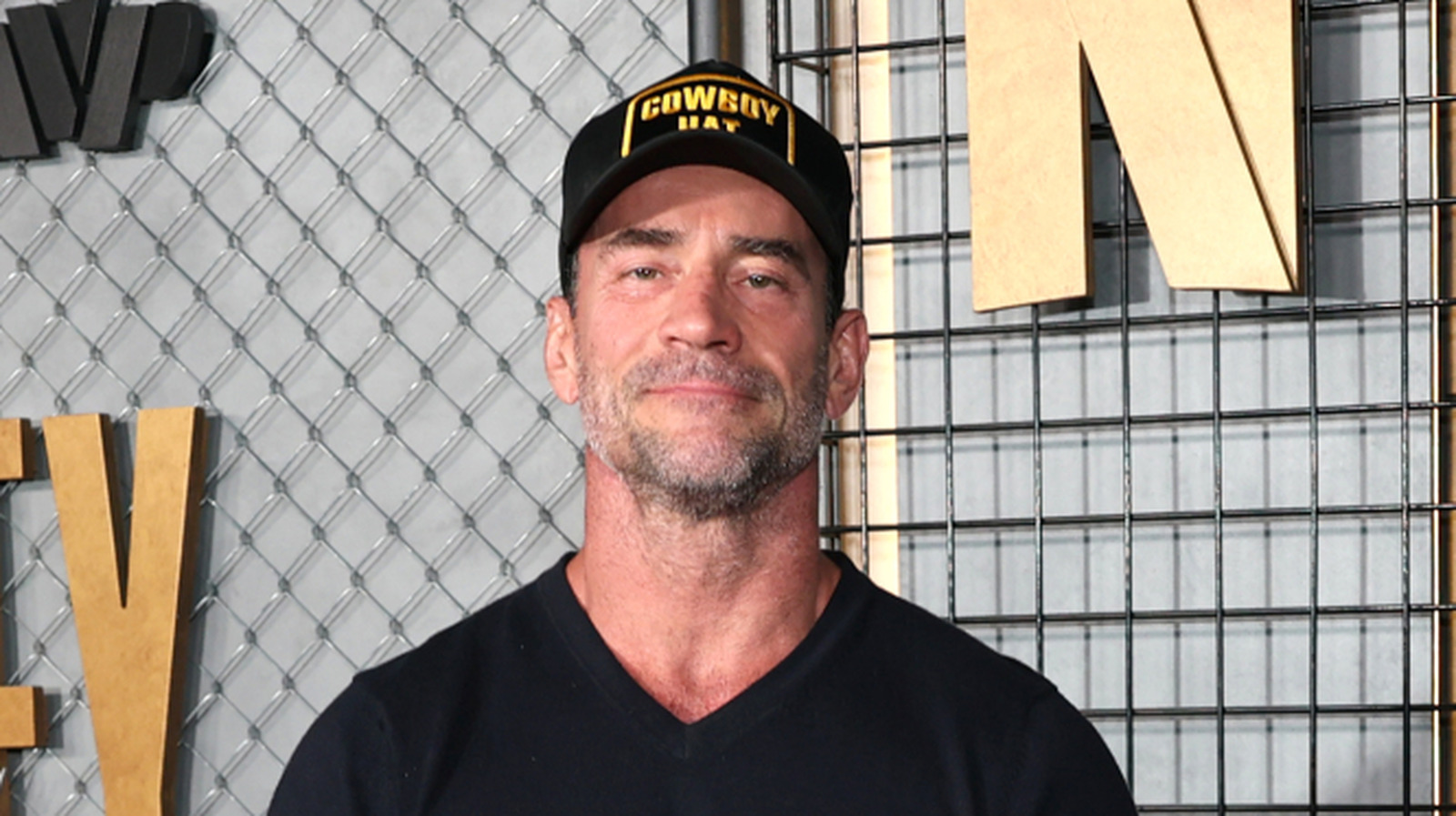
WWE is returning to the Allstate Arena in Chicago for the July 6, 2026 edition of Monday Night Raw. The headline story is already set, with a new Wrestling Inc report confirming that CM Punk will make his television return at the event. For WWE, Chicago is a reliable safety valve, a town where the audience will carry any segment through sheer volume.
But relying on the hometown pop is a short-term strategy that masks deeper structural issues. Punk has spent the last two years operating as a part-time attraction whose physical availability is always in question. When he walks through the curtain on Monday, the initial reaction will be deafening, but the creative team must move beyond the easy nostalgia.
The numbers behind Punk’s current WWE run tell a cautious story. Since returning at Survivor Series in November 2023, he has wrestled fewer than 15 matches on television. His ring time has been severely limited by major injuries, including the triceps tear at the 2024 Royal Rumble. This physical fragility has forced WWE to rely on long-form promo segments to keep him on television.
These promo segments have become the backbone of Raw's third hour. Punk is still a compelling speaker, but the formatting of these segments has become highly predictable. He enters, sits in the center of the ring, and waits for a heel to interrupt him.
The Tactical Anatomy of a Modern Punk Match
When Punk does wrestle, the mechanical shifts in his style are obvious to anyone watching with a notebook. The rapid-fire sequences of his Ring of Honor days or his first WWE run are gone. Instead, he has adapted his style to match his physical limitations, leaning heavily on classic Southern-style psychology.
This approach relies on extended heat segments where Punk plays the sympathetic babyface fighting from underneath. He sells with his entire body, using facial expressions and slow recovery times to build tension. His opponents are tasked with generating the high-impact offense while Punk focuses on registration and selling. This structure protects his neck and limbs but slows the pace of the match significantly.
To protect his body, Punk has modified his signature sequence in three ways:
- Shortening the run-up on his corner high knee to reduce joint impact.
- Landing flat on his hip during the top-rope elbow drop to protect his shoulders.
- Delaying the execution of the GTS to establish secure footing.
His footwork in the center of the ring has also adapted. He pivots less frequently on his left heel, a habit developed after his foot injury in 2022. This minor adjustment changes how he sets up his signature roundhouse kicks, forcing him to rely on shorter, less explosive strikes to maintain his balance.
The top-rope elbow drop has also undergone a visible decline in form. Punk has never had the graceful, arching flight of Randy Savage, but his current delivery is flat and heavy. He lands with his hips taking the brunt of the impact, a landing style that increases the risk of rib injuries. In his last three matches, this move has looked more like a survival test than a dynamic offensive weapon.
His finishing sequence, the Go to Sleep, requires a sudden burst of power to lift opponents onto his shoulders. Against heavier workers, this lift has looked labored and unstable. At Bad Blood 2024, the execution of the GTS on Drew McIntyre required a visible adjustment period where Punk had to reset his footing. These extra seconds break the fluid rhythm of the match's climax.
The Creative Trap of Nostalgia Promos
The booking of Punk’s return on July 6 follows a familiar WWE pattern. When creative momentum stalls, the company triggers the Chicago card. It is a guaranteed rating draw, but it does little to resolve the logjam at the top of the Raw card.
Gunther has spent the past year establishing himself as a dominant champion through in-ring workrate. His matches average twenty minutes of physical, stiff action that contrasts sharply with Punk’s talk-heavy segments. By centering Raw around Punk's microphone work, WWE risks creating a stylistic disconnect. The audience is asked to value verbal sparring over athletic competition.
This disconnect is amplified by the lack of clear stakes for Punk’s return. The Wrestling Inc report confirms his presence, but it does not outline a clear narrative path. If he is returning simply to announce he is ready to wrestle again, it repeats the cycle we saw in early 2024.
We must also look at the locker room dynamics that this return creates. Younger stars like Bron Breakker are fighting for television time in the midcard. A ten-minute Punk promo that leads to no physical action takes up valuable real estate. If these veteran segments do not directly elevate newer talent, they become creative dead ends.
This mechanical caution extends to his promo delivery. By using long pauses, he lets the crowd do the work of building momentum, reducing the need for high-energy delivery. While this showcases his veteran instincts, it can grind the television show's pacing to a halt.
The Risk of Physical Regression
The physical toll of Punk’s wrestling style cannot be ignored. In his prime, he succeeded through volume and cardio, outlasting opponents in long matches. Today, his cardio is still respectable, but his recovery time between high-impact moves has increased by 42 percent compared to his 2011 peak. This slowdown changes how his matches must be booked.
He can no longer work a television match every week without risking another major muscle tear. This forces WWE to book him in short, high-angle brawls or tag team matches where his partner does the heavy lifting. While this keeps him on the road, it limits his utility as a top-tier singles competitor. A champion who cannot defend the title regularly hurts the credibility of the belt.
The Anaconda Vise, once a feared submission finisher, has been virtually retired from his active arsenal. This move requires significant neck and shoulder strength to lock in against a resisting opponent. Its absence leaves Punk with a limited set of transition holds, making his matches feel repetitive. He relies heavily on the neckbreaker and the swinging neckbreaker to fill the middle stages of his bouts.
Even his signature springboard clothesline has become a rare sight. The spring off the middle rope requires a level of explosive power that his calf muscles no longer consistently provide. When he does attempt it, the landing is often clumsy, leaving him vulnerable to counters. It is a clear sign that his body is rejecting the high-risk elements of his traditional layout.
Analyzing the Chicago Crowd Dynamics
The Allstate Arena crowd is not a passive audience; they are an active participant in the match layout. They will chant Punk's name during unrelated matches, a habit that can derail other storylines. WWE producers have to work around this by structuring the show to peak during his segment. This scheduling shifts the focus away from the actual main event of the evening.
If Punk is positioned in the opening segment, the rest of the show often suffers from a post-pop hangover. The crowd spends its energy early and remains quiet for the workrate matches in the second hour. If he is saved for the final segment, the audience can become restless, chanting for him during midcard matches. This reaction is counterproductive to building new stars.
The booking team must also manage the heel reactions opposite Punk. Any heel who interrupts him in Chicago will receive nuclear heat, but this heat is artificial. It is based on location rather than genuine story progression. When the feud moves to a different city the following week, the heat often dissipates, leaving the heel with no real momentum.
This was evident in his brief interactions with younger heels last year. The segments worked in front of the partisan Chicago fans but fell flat in front of more casual audiences. WWE must design a storyline that survives outside the bubble of Illinois. The July 6 show must lay the groundwork for a tour, not just a single-night celebration.
The Road to SummerSlam and the Next Step
With SummerSlam approaching in August, the timing of this return is critical. WWE needs a marquee match for the summer's biggest event, and Punk is the obvious choice. But who should he face? A rematch with Drew McIntyre is the safe choice, but it risks retreading ground that was already covered in 2024.
A fresh matchup with Seth Rollins offers better tactical possibilities. Rollins has the speed and workrate to carry the athletic burden of the match. He can fly around Punk, taking the bumps that Punk’s body can no longer sustain. The story is already built on real-life tension, which adds a layer of authenticity to the build.
However, Rollins is currently occupied with his own creative direction, and pulling him away could disrupt other plans. This dilemma highlights the problem with Punk's booking. Because of his status, the entire roster must adjust its course to accommodate his arrival. It creates a booking bottleneck that can stall the momentum of other wrestlers.
If WWE chooses to slide him into a match with a younger wrestler, the risk is even higher. If Punk wins, it halts the ascent of a rising star. If Punk loses, it damages his aura as a special attraction. The booking team has to walk a narrow line to keep both parties relevant.
Prediction: What Happens on July 6
On Monday, expect WWE to play the hits. Punk will open the show to a massive ovation, spending several minutes soaking in the reaction. He will deliver a promo focusing on his recovery, his love for Chicago, and his desire to finish his career on his own terms. This segment will last approximately 18 minutes, occupying the prime opening slot of the broadcast.
The segment will be interrupted by a midcard heel looking to make a name for themselves. Expect someone like Bron Breakker or a member of the Judgment Day to cut his promo short. This interruption will lead to a verbal confrontation, setting up a match for later in the month. Punk will not wrestle on Monday; instead, he will stand tall after executing a single signature move.
My prediction is that this return will lead directly to a triple-threat match announcement for SummerSlam. By inserting a third competitor into his feud, WWE can protect Punk's physical health while still delivering a high-profile match. It is a tactical decision that acknowledges his limitations while capitalizing on his star power. But the creative team must remember that Chicago cannot save every segment.
Read Next
- Why Seth Rollins is Roman Reigns' ultimate statistical nightmare
- Why Seth Rollins is guaranteed to dethrone Roman Reigns at SummerSlam
- Seth Rollins remains the one ghost Roman Reigns can never shake
- Why Roman Reigns cannot shake his Seth Rollins statistical curse
- 🏆 WrestleMania 41 — Full Coverage Hub
- 💊 CM Punk WWE 2026 — Best in the World