The 69-Second Collapse in Las Vegas
Conor McGregor’s right knee gave out just 69 seconds into his UFC return at T-Mobile Arena on Saturday, July 11, 2026. The referee stopped the bout at 1:09 of Round 1, handing Max Holloway a TKO victory. It was a disastrous end to a five-year layoff.
McGregor blew out his right knee immediately after throwing his first strike, a leaping roundhouse kick attempt. He fell to the canvas twice as his leg buckled under his own weight. The referee quickly halted the action, leaving the crowd in stunned silence.
There was no post-fight interview inside the cage with Joe Rogan. McGregor also skipped the post-fight press conference. He refused medical assistance and limped out of the arena in full fight gear, refusing to use crutches, as Ringside News reported immediately after the card.
The Walkout Stumble and Pre-Existing Injury Claims
Speculation surrounding McGregor's physical readiness began before the opening bell. Observers noticed the former champion stumble slightly while taking off his sneakers before stepping into the cage. This immediately sparked rumors that he was carrying an injury into the contest.
McGregor took to social media early Sunday morning to reject those rumors. In a post on X at 1:31 a.m. Eastern, McGregor stated he was fully healthy during training camp. He described the blowout as a sudden, freak occurrence.
"My head gasket is gone. Destroyed. I had no injury / injuries going into the fight. I was throwing kicks, planted and jumping, all throughout camp as well as backstage before the fight. This came out of nowhere. I am beyond dark here. I can only describe it as hell."
A few hours later, at 5:29 a.m. Eastern, McGregor posted another statement refuting the rumors. He claimed he felt sharp, ready, and confident during his walkout. He vowed to return, though his medical reality suggests a very different outcome, as F4WOnline reported regarding his online statements.
A Statistical Zero and Cormier's Verdict
The short-lived return produced some historically poor numbers for the Irish superstar. For the first time in his UFC career, McGregor recorded exactly 0 significant strikes. He landed 5 of 11 total strikes, but none were deemed significant by official scorers, according to F4WOnline's statistical breakdown.
Conversely, Holloway landed 12 of 19 significant strikes in just 69 seconds. McGregor's previous career-low was 5 significant strikes at UFC 194. However, that was a 13-second knockout victory over Jose Aldo, making this weekend's statistical output a massive disappointment.
Commentators are already questioning whether McGregor's MMA career is over. Former double-champion Daniel Cormier spoke on his YouTube channel about the likelihood of another comeback. As F4WOnline detailed, Cormier doubts fans will buy into another return campaign.
"If you ask me truthfully, I am more likely to tell you guys that it’s not gonna happen than it will happen. He’s very unique and I think the whole week showed that he’s the biggest star we have and the whole week showed that. I just wonder if he even does try to come back once again, do people even buy into it again and say they wanna see Conor McGregor go at it one more time?"
Historical Precedent and UFC Strategic Fallout
This is the second consecutive fight where McGregor's right leg has failed him. In July 2021, he fractured his left tibia and fibula against Dustin Poirier at UFC 264. That injury required surgery and a titanium rod, sidelining him for five years before this weekend's disaster.
McGregor and Holloway also have a history of injury in their matchups. In their first fight in 2013, McGregor tore his ACL mid-fight but wrestled his way to a decision win. With this weekend's TKO stoppage, Holloway evened the head-to-head series at 1-1.
Holloway is reportedly eager for a trilogy fight, but that prospect remains highly unrealistic. McGregor faces an administrative medical suspension pending MRI scans on his right knee. The initial diagnosis points to a suspected ACL or meniscus tear, which would require another lengthy surgical rehabilitation.
The injury is a severe blow to the UFC's commercial strategy. The promotion staked its commercial strategy on McGregor's return to boost pay-per-view buys and media attention. With their biggest draw sidelined indefinitely, the company must shift its focus to active contenders.
Tactically, McGregor's choice of opening move warrants criticism. Attempting a leaping roundhouse kick to start a fight after a five-year layoff is highly reckless. A fighter with a history of leg fractures and knee surgeries should have adopted a more defensive, grounded stance.
The UFC also faces criticism for its booking choices. While the main event featured an aging star returning from a major injury, the undercard relied on heavily protected matchups. Showcase matchmaking was prominent, designed to build prospects rather than test them.
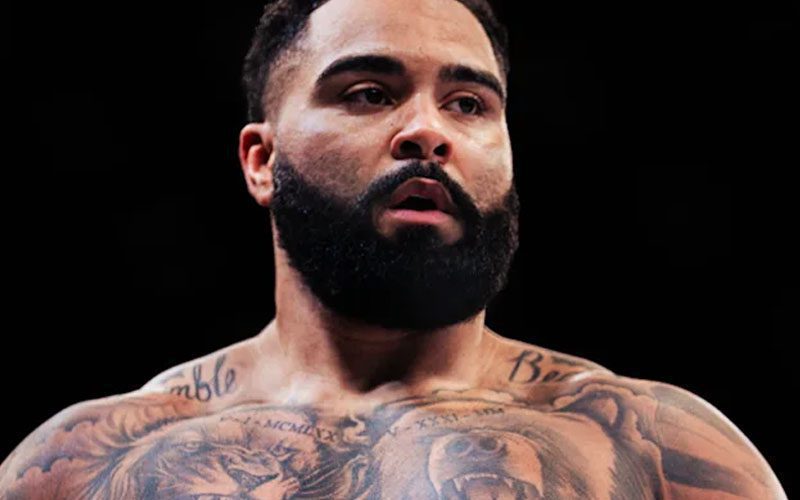
Olympic gold medalist and former WWE prospect Gable Steveson fought on the undercard as a massive -1750 favorite. As Ringside News noted before the fight, Steveson was expected to steamroll Elisha Ellison. Steveson won, but the lopsided odds highlight the UFC's current reliance on soft matchmaking to build new stars.
At 37, McGregor faces his toughest rehabilitation yet. Returning from a major knee reconstruction at this stage of his career is unprecedented. While he promises to fight again, the reality is that the sport may have moved past its biggest icon.