The London experiment that changes everything
The January 16 episode of SmackDown in London was not just another television taping. It was a live testing ground for the future of professional wrestling.
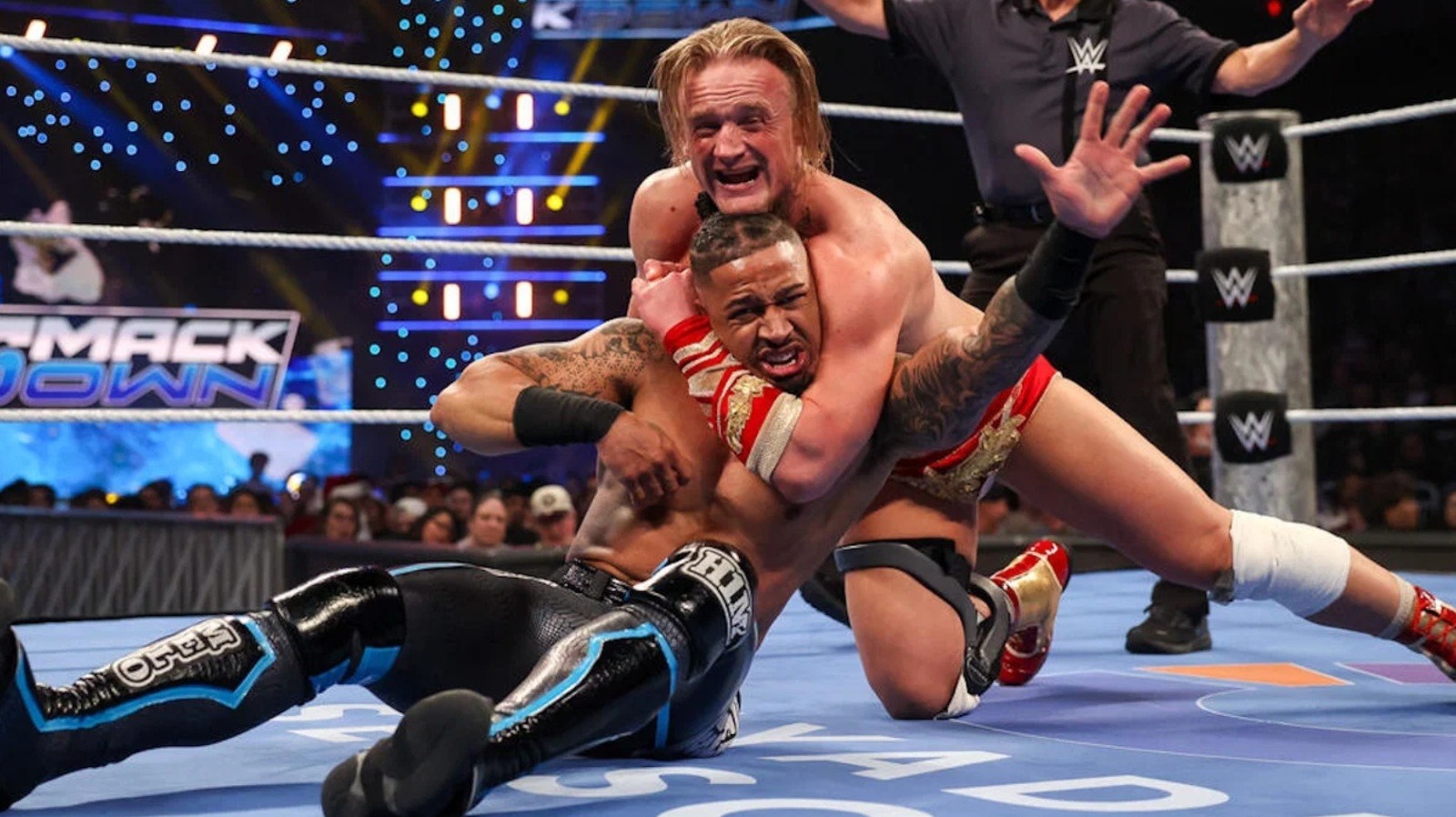
When Carmelo Hayes locked up with a TNA Wrestling star in front of that massive UK crowd, it felt fundamentally different than the usual main roster squash match. The TNA talent wasn't brought in to just take a First 48, bump around like a pinball, and stare at the lights in three minutes. They were given actual television time.
They were allowed to work a competitive, back-and-forth style that you rarely see from an outside talent on WWE's flagship Friday night show.
"Chemistry on a different level."
That is how the TNA star reflected on the experience following the bout. That is not just standard post-match PR talk fed to a reporter. You could see it clearly in the ring. The transitions were smooth, the strikes looked snug, and the crowd bought into the near-falls.
Hayes is a rhythm wrestler. He needs a dance partner who can match his speed and anticipate his counters. When he hits the ropes, he expects you to be in the exact right spot. The timing in London was flawless. You saw it in the sequence leading to the finish. A blocked superkick, a rapid-fire exchange of forearms, and a perfectly timed reversal that had the O2 Arena biting on a two-count. That kind of trust usually takes months of working the live event loop to build. These two found it instantly.
Why Carmelo Hayes is the chosen bridge
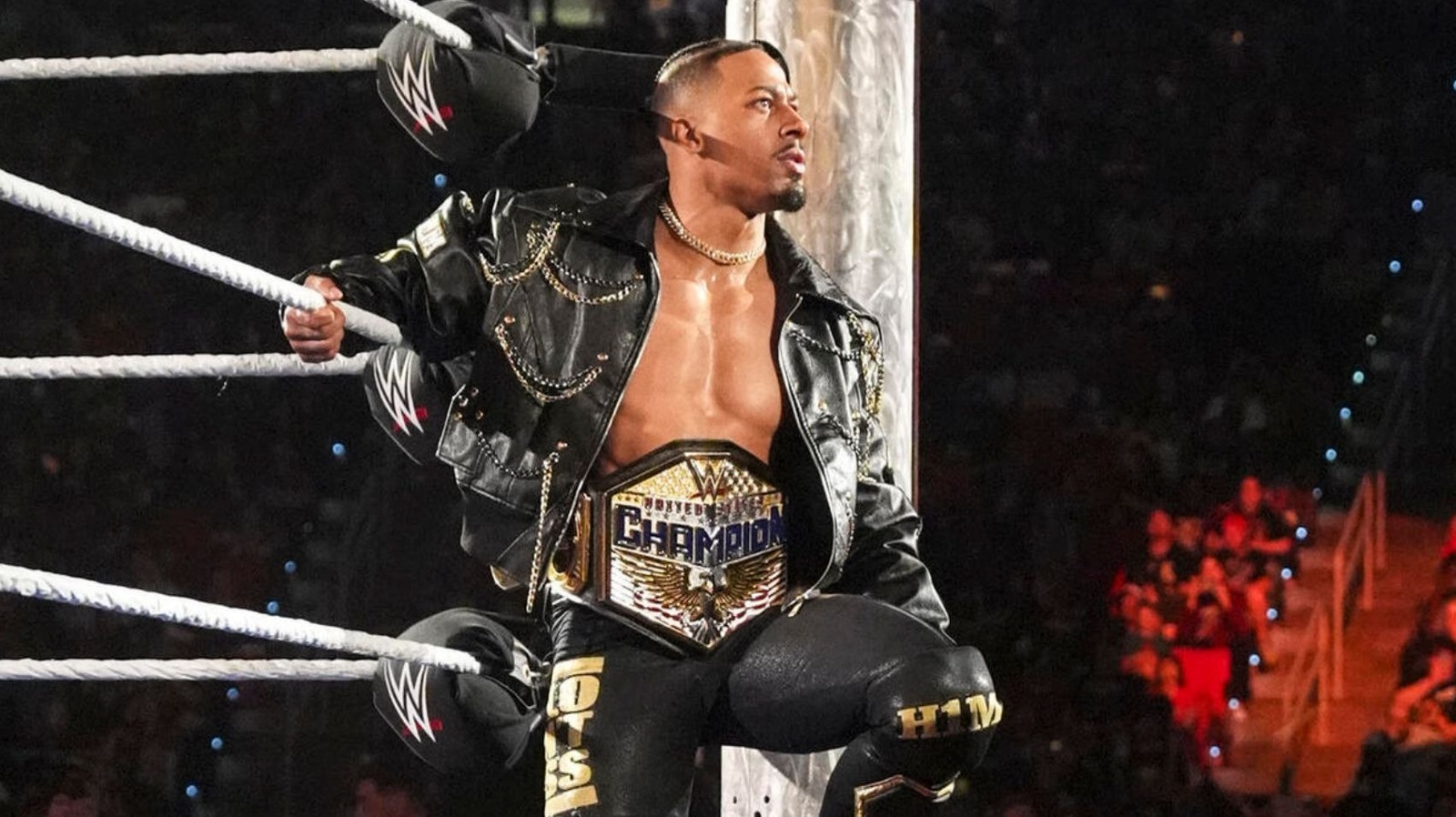
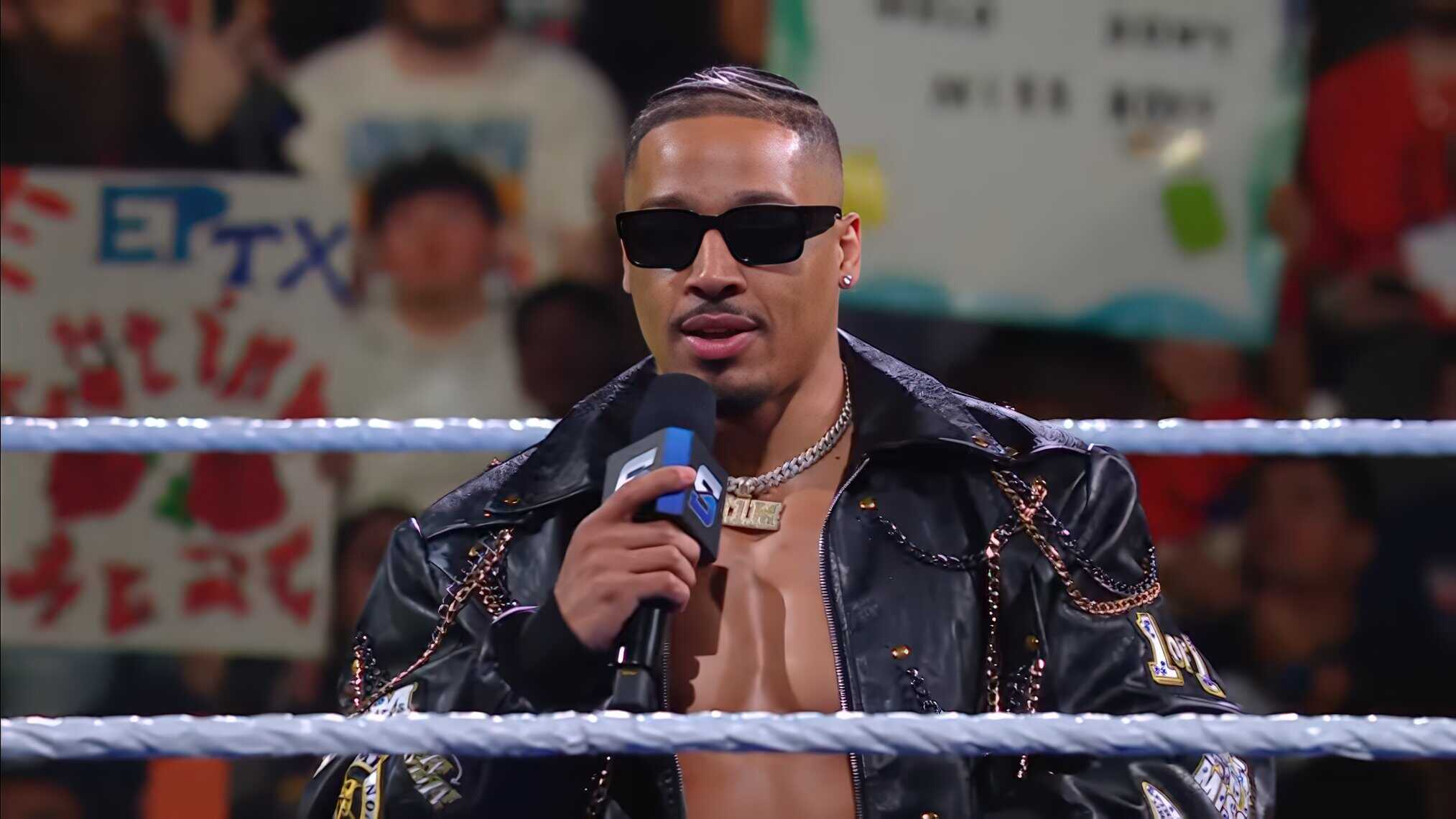
It is no accident that Paul Levesque keeps putting Carmelo Hayes in these high-pressure crossover spots.
Look back at his entire NXT run. Hayes was the guy tasked with working with veterans, raw rookies, and everyone in between. During his NXT Championship reign, Hayes proved he could anchor a brand. His matches with Ilja Dragunov were a masterclass in absorbing a brutal, European-style striking game and countering it with athletic precision. Against Trick Williams, he worked a deeply psychological, story-heavy main event style. He is arguably the most adaptable worker on the SmackDown roster right now under the age of thirty. He doesn't just do his memorized spots; he wrestles to his opponent's strengths while hiding their weaknesses.
When you bring in a wrestler from another company, there is always a massive risk of styles clashing. TNA has a distinct working style, heavily influenced by two decades of X-Division pacing. It is fast, strike-heavy, and relies on complicated reversal sequences rather than traditional rest holds.
If you put a TNA guy in the ring with a plodding heavyweight, the match completely falls apart. The crowd goes dead, the timing looks sloppy, and the experiment fails. Put them in there with Hayes, and you get absolute magic. He can transition from a technical wrist-lock exchange right into a springboard clothesline without missing a single beat. He takes the TNA pacing and translates it into the WWE main event style. He makes the crossover look entirely seamless.
The one-sided reality of the working relationship
But let's take a step back and be brutally honest about this partnership for a minute.
While hardcore fans are losing their minds over these crossover matches and fantasy booking the future, the actual booking pattern is glaringly obvious. WWE is getting a lot more out of this arrangement than TNA is.
Sure, TNA gets its logo displayed on a massive LED board in front of millions of network viewers. That has tangible marketing value. But inside the ring, WWE treats TNA like a highly functional, fully televised developmental territory. WWE main roster stars rarely go to TNA television to take clean, decisive losses.
The flow of talent is entirely designed to give WWE fresh matchups, new pops, and viral social media moments without having to commit to full-time contracts or long-term creative plans.
It is a ruthless, smart business move by Endeavor and WWE management, but it leaves TNA constantly looking like the junior partner. They are the visitors in the big house. If this relationship is going to survive long-term and not just burn out, WWE has to give something back that actually stings. They need to allow a top WWE name to do the honors on a TNA pay-per-view. Until that happens, this is an acquisition of content, not a partnership.
Tracking the undeniable escalation
If you watch the pattern over the last two years, the escalation is clear. The crossovers started entirely as one-off novelty acts.
First, it was Mickie James entering the Royal Rumble with the Knockouts title. Then it was Jordynne Grace doing the exact same thing a year later. Then we saw Joe Hendry and the Rascalz showing up on NXT television to boost ratings against AEW. That was written off by many industry veterans as just a developmental experiment.
But January 16 changed the formula completely. SmackDown is the A-show. London is a massive, high-stakes international market for WWE. Putting a TNA star in a singles match against a highly protected prospect like Carmelo Hayes on that specific stage means the training wheels are off.
The executives are testing the waters for something much bigger. They are looking at the quarter-hour television ratings, the social media engagement clips, and the live crowd reactions. They want to know if the casual main roster audience actually cares about the TNA brand when it is presented as a legitimate threat. The chemistry in the ring proved that the talent can absolutely deliver. The front office just needed to see if the fans would bite.
Looking ahead to Las Vegas and beyond
We are currently sitting on March 29. WrestleMania 41 in Las Vegas is exactly 21 days away.
The card for Allegiant Stadium is already bursting at the seams. We have John Cena's farewell tour looming over everything. CM Punk is geared up for a massive, heavily promoted match. Cody Rhodes is defending the WWE Championship against a stacked lineup of challengers. There is barely room to breathe on that two-night card, let alone shoehorn in a massive, rushed inter-promotional angle.
WrestleMania is about WWE celebrating WWE. They do not need to share that specific spotlight with another company.
But look at the calendar right after WrestleMania wraps up. WWE Backlash 2026 is scheduled for May 9. Historically, Backlash is the event where WWE gets weird. It is where they experiment with post-Mania booking, unusual matchups, and wild international crowds. It is the perfect venue for a massive creative risk.
The Prediction: Backlash brings the gold
Here is the prediction, and I am not leaving any room for hedging or maybe-they-will-maybe-they-won't analysis.
The WWE-TNA crossover is going to culminate in a title match at WWE Backlash 2026. Carmelo Hayes will challenge for a TNA Championship on a WWE Premium Live Event.
The groundwork was already laid in London on January 16. That quote about having incredible chemistry is the exact kind of soundbite WWE production uses in their pre-match video packages. They are not going to waste a genuinely great match on a random January episode of SmackDown and never return to it. WWE remembers everything when it suits them.
Hayes has proven he can work the fast-paced style. He has proven he can get a WWE crowd invested in an opponent they might not watch every single week on a different network.
WWE will use Backlash on May 9 to officially blur the lines. Carmelo Hayes will step into the ring against a TNA champion. And frankly, based on how WWE operates their business, Hayes will win it, bringing a TNA belt to Friday Night SmackDown for the summer. It solves WWE's constant need for fresh midcard storylines and gives TNA the biggest visibility boost in their history, even if it comes at the temporary cost of their title.
Book it. The crossover finally gets some real stakes.
Read Next
- Trick Williams just saved WrestleMania 41 by costing Carmelo Hayes his title
- Giulia's SmackDown admission proves WWE's women are hitting harder than ever
- Sami Zayn just took the US Title but the data suggests a WrestleMania problem
- Rhea Ripley is running out of time as Jade Cargill's new faction takes over
- 🏆 WrestleMania 41 — Full Coverage Hub
- 💥 WWE Backlash 2026 — Full Coverage Hub