Why Canadian fans are throwing money at scripted wrestling matches
When the script meets the sportsbook
Combat sports fans are built differently. You do not just watch two people beat each other up for twenty minutes without forming a stubborn opinion on exactly how it is going to end. That instinct used to be confined to barstools and message boards. Now, it is regulated, monetised, and plastered across every broadcast in Canada.
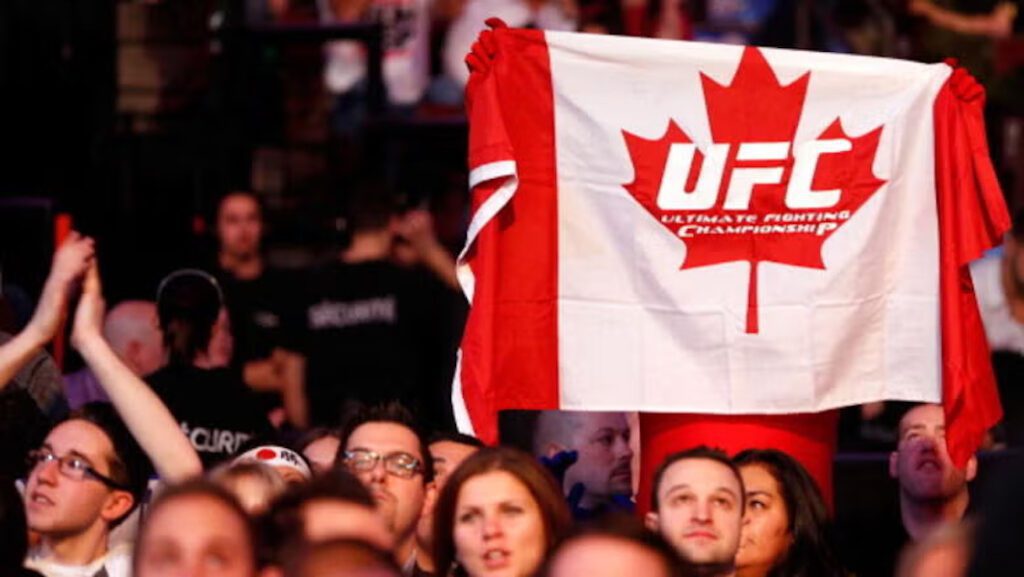
Since Bill C-218 received Royal Assent, the Canadian betting market has exploded. Single-game sports betting changed the way fans interact with the product. But as BodySlam.net recently highlighted, the way people wager on combat sports reveals a strange dichotomy. You have the chaotic, unscripted violence of the UFC on one side. On the other, you have the heavily choreographed, pre-determined world of professional wrestling.
And strangely enough, the bookies are taking action on both. It raises an immediate question. How do you set odds on an athletic exhibition where the winner was decided in a boardroom three weeks ago?
The illusion of the smart money
Betting on professional wrestling feels like a paradox. The outcomes are predetermined. Creative teams write the finishes, and executives sign off on them. Yet, offshore books and increasingly regulated markets are offering lines on WWE and AEW pay-per-views.
The secret is that oddsmakers are not actually predicting the match. They are predicting the booking. When Roman Reigns was running through the roster during his historic title reign, the odds reflected his status as the company's untouchable centrepiece. You were not betting on his physical superiority. You were betting on Paul Levesque's creative direction.
This creates a bizarre market dynamic. Wrestling lines open with a degree of uncertainty. As the event approaches, the smart money pours in. This usually happens when insiders or people tangentially connected to the creative process start hammering the scripted winner. We saw this exact scenario play out repeatedly on the Road to WrestleMania 41 earlier this month.
Suddenly, an underdog shifts from +300 to a heavy favourite within hours. For the average fan trying to make a quick buck, betting on wrestling is essentially gambling on whether the script has leaked.
The anatomy of a wrestling prop bet
Let us look at the granular level of how these markets operate. A standard match winner bet is just the surface layer. The real sickness lies in the prop bets. Offshore books will offer lines on star ratings from prominent wrestling journalists. Think about that for a second.
You are risking actual currency on whether a single reporter will award a match four and a half stars or five stars. The market is entirely dependent on the subjective taste of one individual watching from their living room. Yet, the volume of money moving through these specific markets is staggering. It highlights the absurd lengths fans will go to monetise their viewing habits.
We also see over/under lines on match duration. Will the Intercontinental Championship match go over 18.5 minutes? This requires bettors to analyse television formatting. They have to account for commercial breaks, broadcast windows, and the stamina of the performers involved. It is an exercise in reverse-engineering the production truck's run sheet.
UFC and the illusion of control
Mixed martial arts presents the opposite extreme. The UFC is unpredictable by design. A four-month training camp can be erased in ten seconds by a perfectly placed head kick. For Canadian bettors, this unpredictability is the main draw.
But straight moneyline bets are rarely where the heavy action sits. MMA fans love to think they are tactical geniuses. They watch film. They analyse stance switches and takedown defence percentages. This translates into heavy volume on prop bets.
Bettors are not just picking the winner. They are picking the method of victory and the exact round. If you back Islam Makhachev, you are probably not taking him on the moneyline at -450. You are looking for value by betting him to win by submission in round two or three. It gives the bettor an illusion of control over an inherently chaotic sport.
Consider the recent pay-per-view events. When a highly touted prospect makes their debut, the line is often drastically inflated by promotional hype. The casual money floods in, backing the fighter heavily featured in the pre-fight video packages. The sharp bettors, meanwhile, are looking for the gritty veteran who has quietly accumulated cage time against tougher opposition.
The sportsbooks feast on this discrepancy. They understand that combat sports marketing is designed to manufacture invincibility. When the prospect inevitably gets dragged into deep waters and submitted, the books clean up. It is a cynical transfer of wealth from the emotionally invested fan to the algorithm.
Ontario's strict guardrails
Canada’s approach to this has been heavily fragmented. The federal government opened the door with Bill C-218, but left the implementation to the provinces. Ontario stepped up immediately, creating one of the most aggressively regulated markets in North America. They demanded strict geofencing, rigorous identity protocols, and deep integrations with independent integrity monitors.
This created a massive headache for combat sports promoters. The UFC had to scramble to overhaul their internal policies just to stay compliant in their biggest Canadian market. They partnered with independent betting integrity firms to monitor their athletes. They essentially had to build a shadow policing organisation to ensure a prelim fighter was not throwing a round to cover a spread.
For smaller regional promotions, these compliance costs are insurmountable. You will not see odds for local Canadian MMA promotions on the major sportsbooks because they cannot afford the regulatory oversight required. The market has effectively walled off the grassroots level, reserving the betting handle exclusively for the billion-dollar corporations.
The regulatory tightrope
Bringing this all into the light of the regulated Canadian market has not been smooth. Provincial bodies like the Alcohol and Gaming Commission of Ontario are terrified of match-fixing. They look at combat sports with intense scrutiny.
The James Krause betting scandal in the UFC sent shockwaves through the industry. When a prominent coach was implicated in manipulating lines and sharing insider information, regulators panicked. Ontario briefly pulled UFC betting off its regulated platforms entirely. It was a massive wake-up call for an industry that had been operating fast and loose with information.
The UFC responded by banning its fighters and their teams from wagering on any promotional bouts. But the damage was done. It proved that even in an unscripted sport, insider knowledge is a dangerous commodity. Regulators are now forcing combat sports promotions to prove they have strict integrity policies in place before accepting a single dollar of Canadian money.
The WWE's impossible pitch
This regulatory paranoia makes WWE's recent pushes into the betting space even more baffling. A few years ago, reports surfaced that WWE was actively lobbying state regulators to allow legal wagering on their high-profile matches. Their pitch involved locking the scripted results in a vault with an auditing firm months in advance.
It was a terrible idea then, and it remains a terrible idea today. The appeal of professional wrestling is its fluidity. Crowds hijack segments. Injuries force last-minute rewrites. If you lock a WrestleMania main event finish in January, you strip the product of its ability to react to the audience.
Regulators rightfully laughed the proposal out of the room. A scripted outcome inherently possesses a hundred points of vulnerability. Writers, producers, cameramen, and the talent themselves all know the finish before the bell rings. You cannot effectively regulate a market where that many people hold the winning lottery ticket.
The ugly side of the boom
We need to be honest about what this regulated betting boom has actually done to the viewing experience. It has actively made consuming combat sports worse. You cannot watch a UFC Fight Night without being beaten over the head by live odds.
Every broadcast feels like an infomercial for a sportsbook. The commentators are forced to read awkwardly shoehorned promotional copy about parlays while fighters are actively bleeding in the cage. It is tacky, intrusive, and deeply cynical.
This relentless integration preys on the fear of missing out. The promotions are no longer just selling you a pay-per-view. They are trying to squeeze every last dime out of your wallet by convincing you that watching the fight is not enough. You need to have skin in the game.
For a sport built on the backs of working-class fans, pricing them out through constant gambling pushes is a gross miscalculation. It alienates the hardcore base who just want to watch the matches, while attempting to farm a new audience of degenerate gamblers.
The emotional hedge
So why do fans keep doing it? Why are Canadians eagerly dumping their disposable income into parlays on AEW Dynamite or UFC Apex cards? It comes down to emotional hedging.
Sports fans are notoriously pessimistic. If your favourite fighter is stepping into the octagon against a terrifying striker, you bet against them. If they win, you are ecstatic. If they lose, you at least get a payout to soften the blow. It is a psychological safety net draped over the anxiety of fandom.
For wrestling fans, it is about proving you are smarter than the booking committee. Hitting a prop bet on a surprise Royal Rumble entrant is not really about the money. It is about the validation. It is tangible proof that you understand the narrative better than the guy sitting next to you.
Where we go from here
The Canadian market is still adjusting to this new reality. The initial gold rush of sportsbook advertising is starting to face pushback. Politicians are increasingly uncomfortable with the sheer volume of gambling ads plastered across hockey broadcasts and combat sports events.
We are likely going to see a tightening of the rules. Tighter restrictions on advertising, heavier scrutiny on line movements, and perhaps a complete ban on betting on scripted entertainment in the regulated space. The grey market offshore books will always exist, but the mainstream integration might have already peaked.
Until then, the combat sports fan remains a prime target. They are passionate, opinionated, and easily convinced that they have the inside track. Whether they are breaking down grappling exchanges or analysing backstage rumours, they are constantly looking for an edge.
The oddsmakers know this. They have built an entire industry on exploiting that exact instinct. And as long as fans believe they can outsmart the system, the house will continue to win.
Read Next
Stories from the Squared Circle: The Stories Behind the Moments That Defined Pro Wrestling
Dive deep into the secret history of your favorite industry moments.
More Coverage
Ricochet to AEW rumors gather steam ahead of major TV pivots
15 minutes ago
Creative shifts and the Triple H era: A post-McMahon reality check
30 minutes ago
Why Triple H checked out on Reggie before sending him to NXT
31 minutes ago
Could a former WWE star return to the main stage under Triple H?
32 minutes ago
Triple H's creative autonomy faces a real test at SummerSlam
32 minutes ago
Sidney Akeem's meteoric jump to the main roster is still baffling fans
an hour agoMore Analysis
The wrestling industry has a major gambling problem
1 month, 1 week agoWhen wrestlers break: How injuries are wrecking the betting markets
2 months, 1 week agoWhen betting on slots becomes the main event
1 month, 3 weeks agoWhy the wrestling community is losing its mind over mobile betting ads
1 month ago