The Backstage Collision Course
The quiet backstage war for the creative control of WWE is about to get loud again.
Bruce Prichard is reportedly returning to his backstage role after a quiet absence due to back issues.
His return marks a massive collision between two incompatible eras of professional wrestling booking.
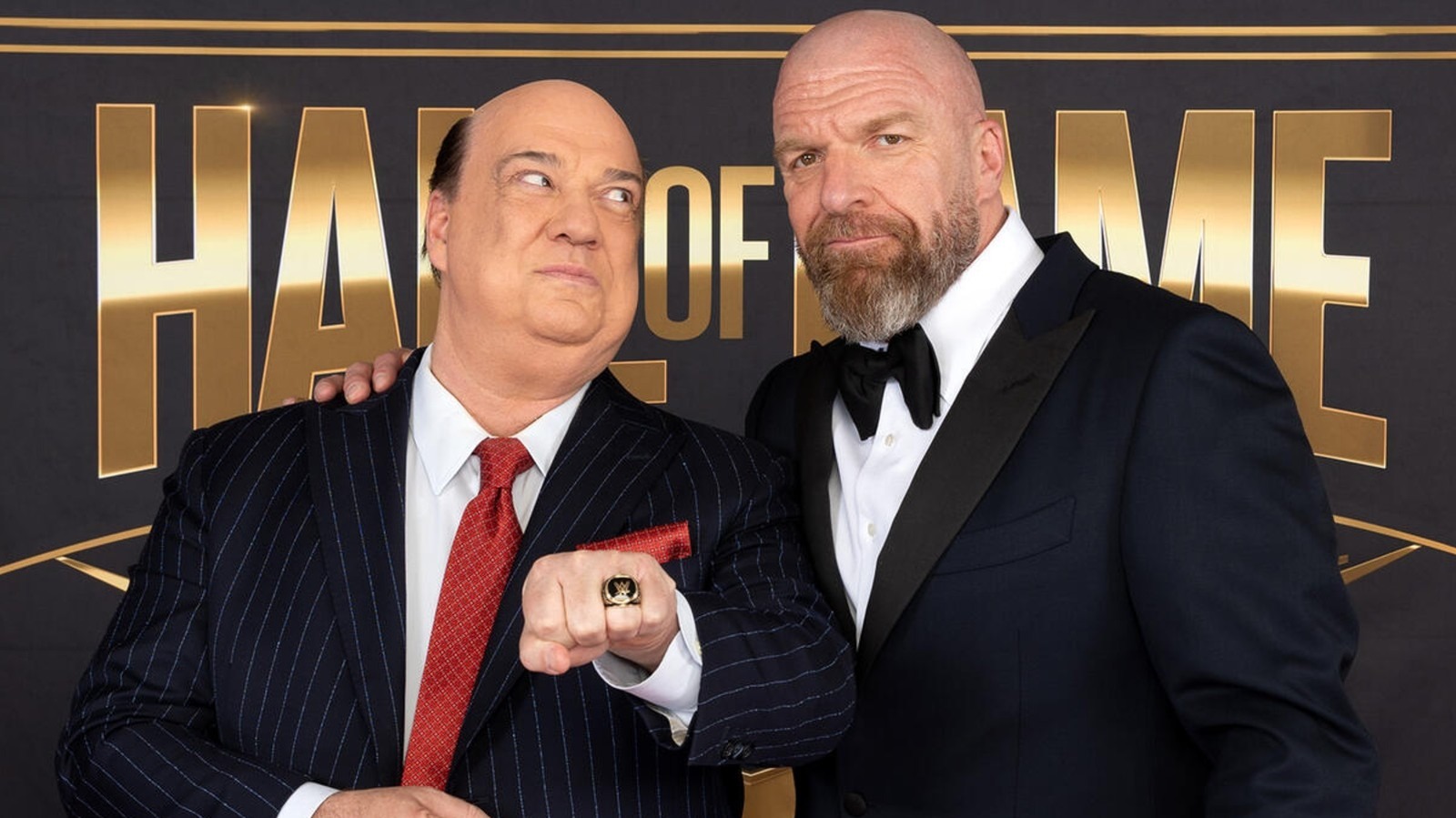
For the last several months, Paul 'Triple H' Levesque has enjoyed undisputed control over the television product.
The current product has leaned heavily into sports-centric presentation, long matches, and clean finishes.
Prichard's return threatens to disrupt that creative rhythm.
A Clash of Booking Styles
Under Levesque, WWE has built its television around long-term narratives and physical, in-ring storytelling.
We saw this at Clash at the Castle in 2022, where Gunther and Sheamus battered each other for 19 minutes of unadulterated violence.
The match ended with a brutal lariat, leaving both men bruised but elevated.
Prichard represents a completely different philosophy.
His booking style, honed over decades next to Vince McMahon, favors quick segments, sudden swerves, and heavy character work.
Fans remember the frustrating eras of short matches and constant disqualification finishes that characterized Prichard's previous tenures.
Think back to Hell in a Cell 2019, where Seth Rollins faced Bray Wyatt in a red-light disaster.
That match ended in a referee stoppage during a match that was literally billed as having no rules.
That is the kind of creative baggage that makes fans nervous when Prichard's name appears on backstage reports.
A Tale of Two Structures
To understand what is truly at stake, we have to look back at the black-and-gold NXT era.
Levesque booked a pure wrestling show featuring legendary matches like Johnny Gargano vs. Adam Cole at TakeOver: New York in 2019.
That match was a grueling two-out-of-three-falls encounter that pushed both men to their limits over 38 minutes.
During that same period, Prichard's main roster booking was notorious for its structural neglect of in-ring action.
The 2021 Queen's Crown tournament stood as a low point, where matches averaged under two minutes in duration.
That stark structural divide defined the philosophical battle between workrate purists and sports entertainment traditionalists.
Levesque has spent the last few years bringing that black-and-gold NXT philosophy to the grandest stages.
He has treated the television audience with respect, presenting matches as athletic contests rather than comedy skits.
Prichard's return will test whether this modern philosophy can survive contact with a classic Vince-trained booking mind.
The Shift in Backstage Culture
This clash of eras is not just about match lengths.
It is about how the locker room is managed and how talent is developed.
The old way of doing business in WWE was notoriously cutthroat and politically toxic.
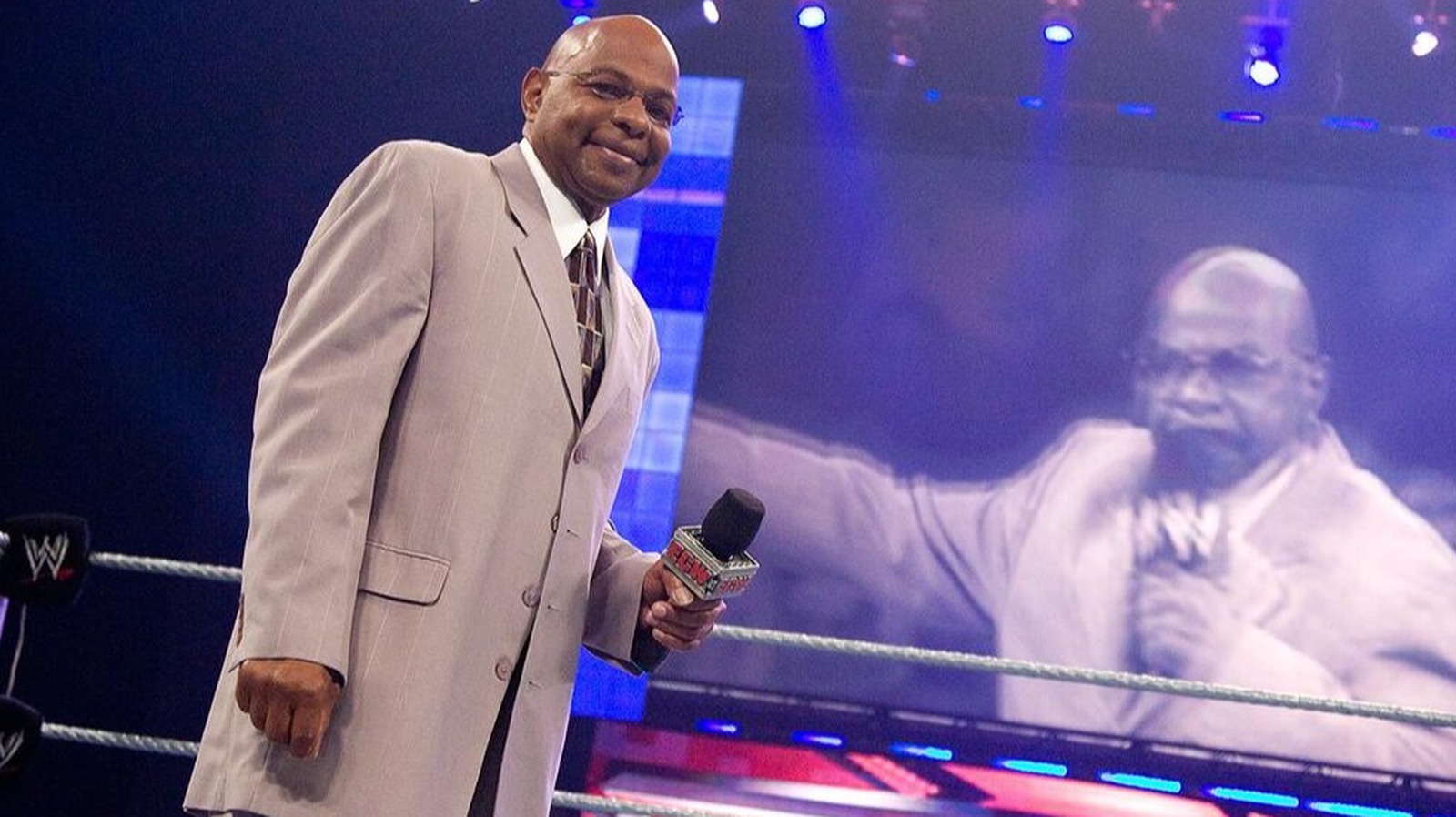
Former general manager Teddy Long recently shed light on how dangerous that locker room used to be.
Speaking on The Wednesday Hang with David Otunga, Long recalled the early days of his career.
He revealed that legend Terry Funk was one of the few who actively protected him.
Funk warned Long about specific white wrestlers who held white supremacist views in the locker room.
As Wrestling Inc detailed, Long appreciated the warning from the Hall of Famer.
Funk told him who to avoid and how to protect himself in a hostile environment.
Long's quote paints a stark picture of the locker room culture decades ago. He explained how Funk went out of his way to offer guidance when he did not have to do so.
Terry Funk, God rest his soul, he was another man that came and helped me out a whole lot. And he warned me about... other white guys that were there that were like white supremacists. He was letting me know to stay away from there and what to do... He didn't have to tell me that.
Other legends like Harley Race, Ricky Steamboat, and Gerald Brisco also helped Long navigate the system.
It was a locker room where survival depended on who had your back.
That political minefield is what Levesque has spent the last four years trying to dismantle.
Under the current administration, the backstage atmosphere has reportedly shifted toward a collaborative environment.
Levesque's focus on the younger generation is designed to prevent the toxic patterns of the past.
But Prichard's return brings a physical reminder of the old guard back into the room.
The Corporate Battlefield
The battlefield is not just on the screen; it is written into the corporate hierarchy of TKO Group Holdings.
As Chief Content Officer, Levesque holds the final say on all creative decisions.
However, Prichard's long-standing relationships with key executives mean his voice carries significant weight in the corporate office.
Levesque has spent years building his own circle of trusted creative minds, including Gabe Sapolsky and Ryan Ward.
This team is dedicated to modern, long-term storytelling and logical character arcs.
Prichard's return inserts a veteran voice from the previous regime directly into this tight-knit circle.
The real tension will manifest during the production meetings where Raw and SmackDown scripts are finalized.
Fans will need to watch whether the show scripts undergo chaotic, last-minute changes before going live.
If reports of late-afternoon rewrites emerge, it will indicate that the internal struggle is heating up.
According to reports, Bruce Prichard is returning after dealing with severe back issues.
During his time away, he reportedly lost a significant amount of weight and is eager to jump back into his role.
He remains the Executive Director of Creative Writing and Talent, a position of immense influence.
The stakes are incredibly high for the creative direction of the company.
Levesque recently went on The Stephen A. Smith Show to declare that his health issues are finally sorted.
As F4WOnline reported, Levesque stated, 'I did have the issues — they're behind me now.'
He is energized and protective of his health, claiming the role with younger talent keeps him feeling young.
But a healthy, fully-focused Levesque now has to share the sandbox again.
Prichard is not just a desk worker; he is a veteran whisperer of the old system.
Can Levesque and Prichard coexist without the product regressing?
There is a legitimate fear that Prichard's presence will dilute the current sports-centric product.
We have already seen signs of creative stagnation in the midcard, where storylines often spin their wheels for weeks.
The endless iterations of the Bloodline saga have occasionally dragged, showing that even Levesque is prone to self-indulgence.
If Prichard is allowed to inject his old-school, short-term fixes, the product could quickly lose its hard-won prestige.
The coming weeks leading to SummerSlam will reveal who holds the real power.
What to Watch For
What should fans watch for as this backstage dynamic plays out?
The first indicator will be the average length of television matches on Raw and SmackDown.
If we see a sudden return to three-minute matches ending in roll-ups, Prichard's fingerprints will be obvious.
The second indicator will be the prominence of clean finishes in major matches.
Levesque has built trust by letting matches end decisively, even if it means booking top stars to lose.
Prichard's style historically relies on protecting everyone through cheap finishes and interference.
The prediction here is clear and uncompromising.
Levesque is not going to cede his creative authority to anyone, let alone a returning executive from the Vince McMahon regime.
He has fought too hard to establish this modern era to let it slip away.
Prichard will be utilized, but his role will be restricted to administrative and talent relations tasks.
The days of his booking philosophies dominating WWE television are over.
Levesque will keep the creative pen firmly in his own hand, preserving the workrate-focused product we have come to expect.