The quiet workhorse behind the catchphrases
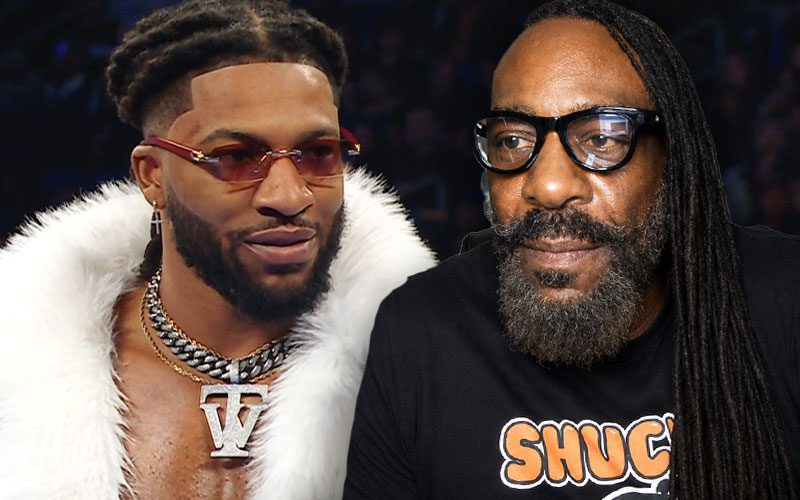
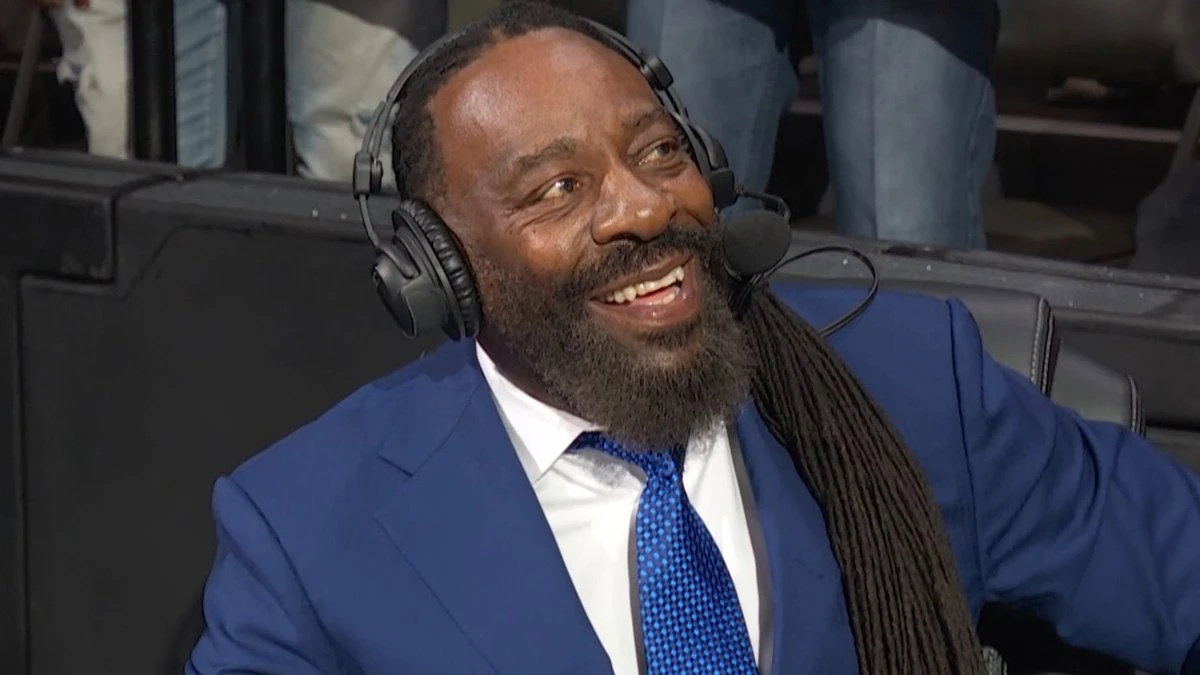
NXT paused last week to throw a Booker T Appreciation Night. As Wrestling Inc reported, the broadcast highlighted the Hall of Famer getting visibly emotional at the commentary desk. It is easy to view Booker T through the lens of sports entertainment camp. The spin-a-roonie, the exaggerated royal accent, the five-time catchphrase. But digging into his 30-plus year career reveals a different story entirely.
He is not simply a charismatic performer who stumbled into main events. The underlying numbers frame Booker as one of the most mechanically sound, adaptable workers of his generation. The transition from a pure tag team specialist to a top-of-the-card singles draw is notoriously difficult. The data shows exactly how rare his trajectory was.
Let us look at the raw output. Across WCW, WWE, and TNA, Booker accumulated 35 major championships. That puts him in an elite, microscopic percentile of performers. You do not win 35 titles because of politics alone. You win 35 titles because promoters know you can reliably hit a 15-minute match window without getting blown up or injuring your opponent.
Building the Harlem Heat foundation
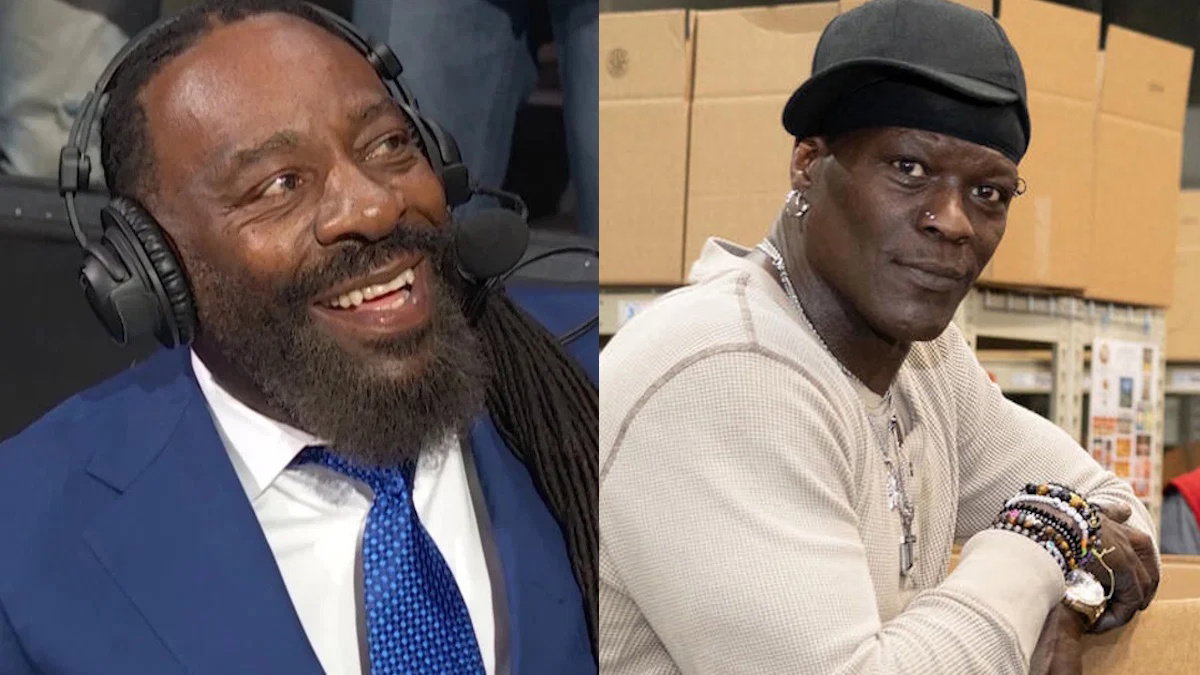
Between 1993 and 2000, Harlem Heat captured the WCW World Tag Team Championship 11 times. That number alone is staggering, but the context matters more. During the Monday Night Wars, the tag division was heavily marginalized in favor of the New World Order angle and cruiserweight showcases. Booker and his brother Stevie Ray anchored a division that was constantly starved for television time.
They amassed 470 combined days as champions across those reigns. Their first reign started in December 1994, defeating Stars and Stripes. Their final reign together concluded in October 1999. Over that five-year span, they were the operational backbone of WCW's midcard.
What stands out when reviewing the tape from 1995 to 1997 is Booker’s in-ring volume. He was consistently working the majority of the match time, acting as the bump-taker and the hot tag. He absorbed the physical toll, allowing the larger Stevie Ray to protect his aura.
Compare their output to The Steiner Brothers. Rick and Scott Steiner had seven reigns in WCW for a combined 520 days. Harlem Heat had more reigns in a shorter, far more chaotic operational window. Booker was wrestling nearly 150 dates a year during this stretch. He was absorbing intense physical damage every night on the house show loops.
The Best of Seven benchmark
The pivot point in Booker's career arrived in the spring of 1998. WCW booked him in a Best of Seven series against Chris Benoit for the World Television Championship. It remains a masterclass in pacing and escalation. If you track the strike-to-grapple ratios across those seven matches, you see a deliberate evolution.
Look at the match lengths. The early bouts hovered around the eight-minute mark on Nitro and Thunder. By the time they reached the finals at the Great American Bash, they went almost 16 minutes. Booker adapted his style completely. He grounded his offense, working a mat-heavy sequence to counter Benoit’s suplex variants. The series proved he could map out a long-term, athletic narrative without relying on interference or gimmicks.
By the year 2000, WCW was in a state of terminal decline. The booking was erratic. Main events changed hourly. Through the chaos, Booker was the only reliable constant. He captured his first WCW World Heavyweight Championship at Bash at the Beach on July 9, 2000, defeating Jeff Jarrett.
He would go on to win that title five times in less than nine months. The final victory came on March 26, 2001, during the last episode of Monday Nitro, where he pinned Scott Steiner to unify the WCW World and United States titles. Critics often point to that frequency as a symptom of the company's dying days. The truth is much harsher. He was the only marketable talent left who was physically capable of working 20-minute television matches every single week without complaining about the dysfunctional management.
The Invasion and the glass ceiling
When WWE purchased WCW in 2001, Booker was one of the few top-tier stars to immediately make the jump. He debuted at the 2001 King of the Ring, driving Steve Austin through an announce table. Statistically, the Invasion angle was a disaster for WCW talent. They were systematically booked to lose to established WWE stars.
Booker’s win-loss record took a massive hit during his first six months in the company. He dropped the WCW Championship to Kurt Angle in July, won it back, and then lost it definitively to The Rock at SummerSlam in August. The data from 2001 shows WWE prioritizing their own homegrown talent, feeding Booker into high-profile losses. Yet, his sheer work rate kept him over with the crowd. He was wrestling a significantly faster pace than the heavyweights in WWE, forcing the roster to adapt to his speed.
The WrestleMania XIX failure
We have to address the glaring misstep in his WWE run. No statistical breakdown of his career can ignore WrestleMania XIX in Seattle. He challenged Triple H for the World Heavyweight Championship. The build was racially coded and deeply uncomfortable. The expectation was a triumphant babyface coronation to rectify the terrible television leading into the event.
Instead, Booker lost. But the manner of the loss is what broke the unwritten rules of ring psychology. After taking a single Pedigree, Booker lay flat on the mat for exactly 23 seconds before Triple H slowly crawled over to make the cover. Twenty-three seconds. In a main event wrestling context, that is an eternity.
It buried his credibility for years. The math of the match actively worked against him. He was booked to look hopelessly outclassed, taking 65 percent of the offensive bumps and receiving almost zero sustained comeback periods. It was a structural failure by the booking committee. It took a massive gimmick overhaul to wash that stink off his career.
A royal statistical anomaly
That reinvention arrived in 2006. Winning the King of the Ring tournament allowed him to become King Booker. It was an absurd character on paper. In execution, it was a tactical masterstroke. The gimmick extended his main event shelf life by slowing down his in-ring pace.
As King Booker, his average match length on SmackDown increased by almost four minutes compared to his 2004 babyface run. Why? Because the royal character relied heavily on stalling, crowd work, and rest holds. He worked smarter. He let Queen Sharmell draw the heat at ringside. This stylistic shift directly contributed to his 126-day run as World Heavyweight Champion. He managed the physical load of a touring champion in his late 30s by heavily modifying his bump card.
We can also look at his finishing sequence. During his early WWE run, the Scissor Kick had a protected win-rate of roughly 85 percent on television. By 2006, he began relying more on the Book End and interference finishes. He decreased his vertical leaping bumps, saving his knees from the brutal impact of the Axe Kick on a nightly basis.
The Main Event Mafia expansion
People often write off his TNA run starting in late 2007. Statistically, it was highly productive. When the Main Event Mafia formed in 2008, Booker was slotted next to Kurt Angle, Sting, and Kevin Nash. He captured the Legends Championship and held it for 143 days.
During that TNA run, his television match frequency dropped, but his segment time increased. He was transitioning from a pure in-ring worker to a character-driven television presence. He was taking fewer than 40 bumps a month, down from well over 100 during his WCW peak. He was actively managing his own physical decline while maintaining main event status.
The modern desk role
Which brings us back to last week on NXT. Booker getting emotional on his appreciation night feels earned because his longevity is a statistical anomaly. The wrestling business grinds bodies down. Knees give out. Necks fuse. Yet Booker wrestled well over 1,500 televised matches across three decades.
He achieved Hall of Fame status twice. First as an individual in 2013, and again with Stevie Ray in 2019. That dual recognition is reserved for a fraction of a percent of the industry. It validates both halves of his career.
His transition to the commentary desk has not been perfectly smooth. He frequently stumbles over his cadences and relies heavily on his own internal logic, which can baffle his broadcast partners. He is prone to interrupting the play-by-play flow. But the NXT audience has embraced him entirely. He provides a visceral, unfiltered reaction track to the high-risk modern style.
When an NXT rookie hits a complicated sequence, Booker’s audible reactions add immediate credibility. He is a two-time Hall of Fame talent sitting ringside. He knows the math. He knows the odds of making it from a tag team dark match to the main event of a premium live event. There is no fake praise in his commentary.
That is what last week was really celebrating. Not just the championships or the Hall of Fame rings. It was an acknowledgment of survival. Booker T figured out the mechanics of the industry better than almost anyone of his era. He protected his body, adapted his style when the numbers demanded it, and built a legacy out of sheer, undeniable competence. He earned every second of that appreciation.