The Reality Of The 90-Day Window
The 90-day non-compete clause is the most frustrating purgatory in professional wrestling. You are legally barred from working elsewhere in your chosen profession, yet you are paid to sit at home, heal your nagging injuries, and plot your next move. It is a mandatory reset button. Some wrestlers use it to reinvent themselves entirely. Others spend it posting cryptic workout videos on social media, only to debut three months later looking exactly the same.
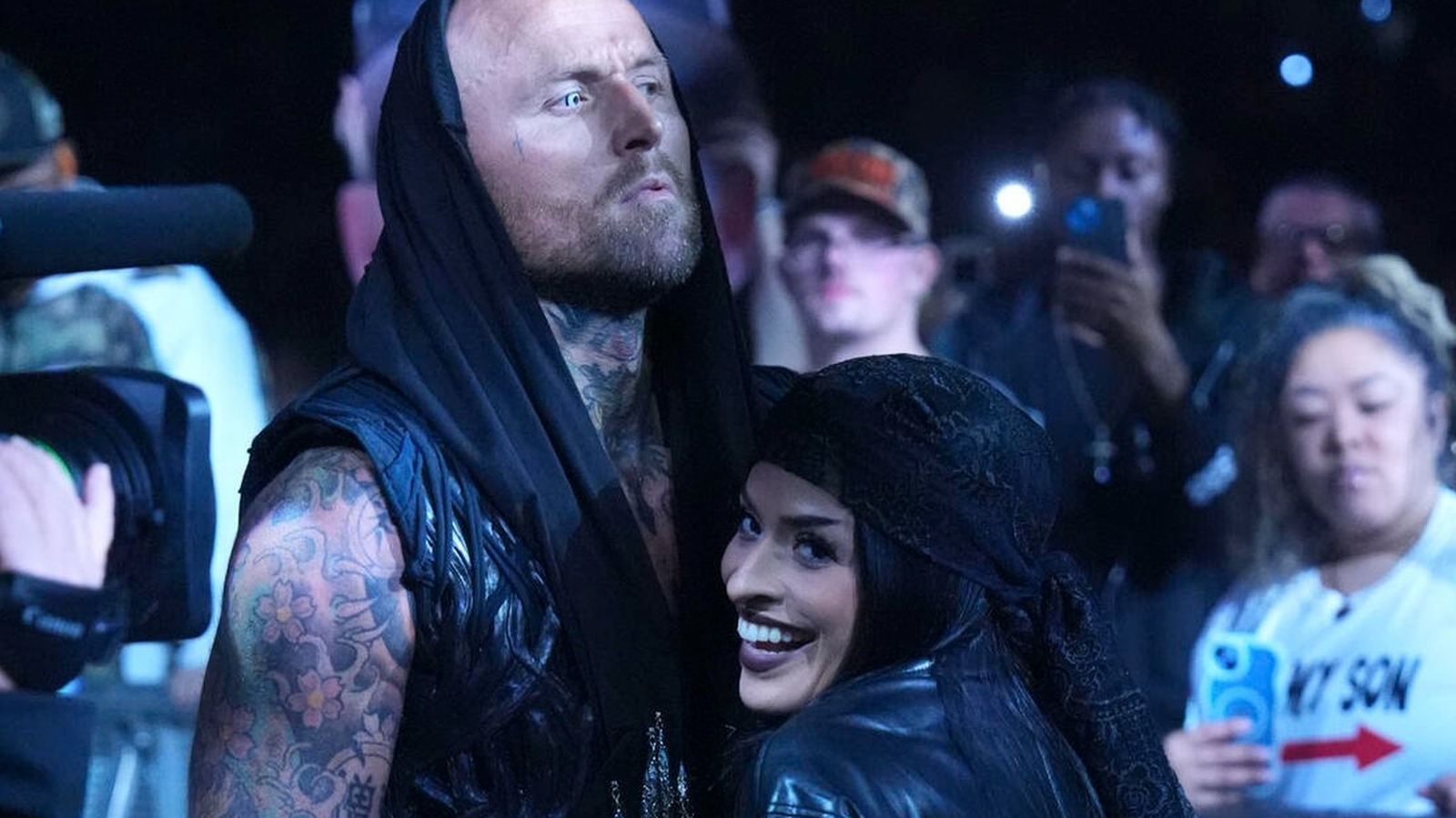
Aleister Black and Zelina Vega now find themselves on the clock. Their recent WWE departures sent a minor shockwave through the fanbase, mostly because both seemed perpetually on the cusp of something bigger. AEW commentator and former WWE talent relations head Jim Ross weighed in recently, advising the duo to use this time off constructively. Ross has sat on the other side of the desk for hundreds of these releases. He knows the trap. The temptation is to rush out, sign the first indie date offered, and try to capitalize on the immediate internet sympathy. That is usually a mistake.
The wrestling business in 2026 does not hand out main-event spots just because you used to be on Monday Night Raw. The indie scene is flooded. AEW has a roster that requires a spreadsheet to track. New Japan Pro-Wrestling is hyper-selective about its gaijin talent. If Black and Vega want to command top-tier money, they cannot just show up. They have to present a completely new package. Ross's advice is structurally sound, even if it feels obvious. Take the time. Rebuild the brand. Wait for the right building and the right opponent.
The Aleister Black Problem
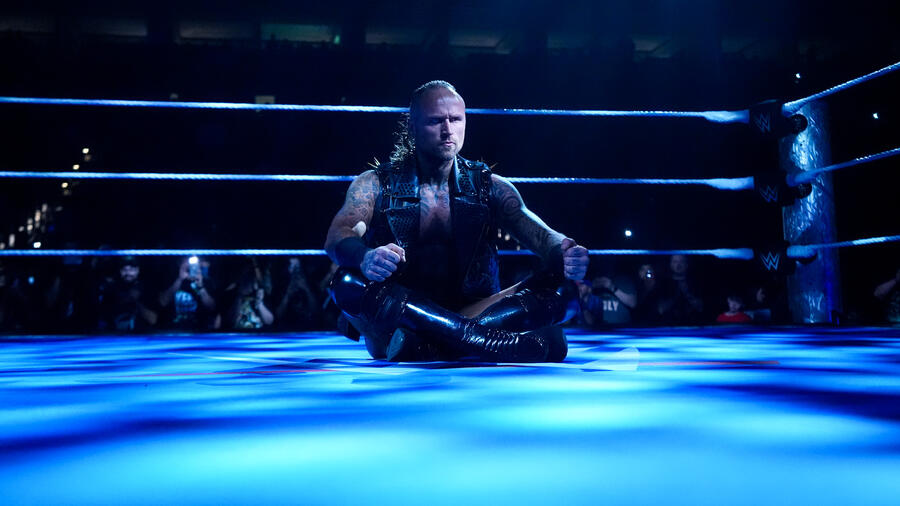
Let's start with Aleister Black. His WWE tenure was an exercise in missed opportunities and bizarre creative pivots. He has everything a modern promoter should want. He works a stiff, strike-heavy European style. His presentation is meticulously crafted. The Black Mass spinning heel kick is one of the most protected and visually stunning finishers in the industry. Yet, he constantly ran into the same booking walls.
Part of the blame falls on WWE's shifting booking philosophies. They never fully committed to his character. One month he was a solitary killer waiting in a dark room for someone to pick a fight. The next month, he was trading 50-50 wins in eight-minute television matches. You cannot book a highly mysterious character like a regular guy who cares about win-loss records.
But Black has to shoulder some of the blame, too. Here is the harsh truth: he frequently gets bogged down in his own lore. The elaborate masks, the cryptic promos, the slow, methodical pacing—it only works if the payoff in the ring matches the buildup. When the bell rings, the audience just wants to see him kick someone's head into the third row. The theatrical elements often felt like a crutch that distracted from his actual ring work.
Look at Black's track record. When given time and a competent dance partner—like his classic NXT encounters with Andrade or his brutal series against Buddy Murphy—he delivers. Those matches were not great because of spooky lighting. They were great because he hit people very hard in the face. The strike exchanges with Murphy remain some of the best television wrestling of the modern era. That is the Aleister Black the open market needs to see. If he wants to succeed outside the WWE machine, he needs to strip away the cinematic baggage. No nonsense. Just strikes.
Zelina Vega's Untapped Value
Zelina is an entirely different asset. While Black relies on aura, Vega relies on pure, undeniable charisma. She is, without exaggeration, one of the most effective heel managers of the modern era. She knows exactly how to draw heat, how to bump when the babyface finally gets their hands on her, and how to elevate the person standing next to her.
WWE tried to transition her into an in-ring competitor, and while she is incredibly athletic, that move always felt like a misallocation of resources. During her last WWE run, Vega rarely broke the 10-minute mark in televised matches. Her offense was heavily restricted, often limited to quick roll-ups or interference spots. It was a waste of a genuinely talented worker who cut her teeth on the indies. She can hit a beautiful hurricanrana or a diving meteora, but her true value is on the microphone. She can sell a pay-per-view main event with a three-minute promo. There are very few people in the industry who can do that reliably.
If she hits the open market, her phone should be ringing immediately. The problem is that very few promotions outside of WWE know how to utilize managers properly. AEW has largely phased out traditional managers in favor of massive, sprawling factions. Impact Wrestling uses them sporadically. But a smart booker would look at Vega and see an instant money-maker. Pair her with a silent, imposing heavyweight. Let her do all the talking. It is a classic pro wrestling formula because it works.
The Final Prediction
The clock is ticking toward August. The 90-day window will close. The internet will start tracking flights and analyzing cryptic tweets. Where do they actually go?
The lazy prediction is that they both sign with Tony Khan and debut on a random episode of Dynamite. AEW Double or Nothing is just twelve days away, on May 24. It is too early for their non-competes to clear, meaning we will not see them in Las Vegas. The next major window for AEW debuts will be the late-summer push toward All In at Wembley Stadium.
I do not think AEW is the right fit for Aleister Black right now. The mid-card is heavily congested. If he walks into AEW, he will likely get a loud pop on his first night, win a quick squash match, and then disappear into a multi-man tag team feud on Collision. We have seen that exact trajectory play out half a dozen times. The AEW audience is conditioned to expect high-workrate spot fests, and Black's methodical pacing might clash with the house style.
Black needs to go to Japan. He should sign a per-tour deal with New Japan Pro-Wrestling. Put him in a G1 Climax block with Shingo Takagi, Zack Sabre Jr., and Katsuyori Shibata. Let him work twenty-minute, hard-hitting, physical matches where the story is told entirely through striking and submissions. NJPW treats wrestling as a legitimate sport. That is exactly the environment Black needs to rebuild his credibility as a dangerous fighter. After a year in Japan, his asking price in the United States will double.
For Vega, the prediction is different. She does not need to rebuild her in-ring credibility. She needs a massive platform to showcase her promo ability. She will sign with AEW. Her debut will not be a surprise run-in. She will be introduced formally as the new business manager for a top heel—perhaps someone like Takeshita or even a debuting international star. AEW desperately needs strong, articulate heels in the women's division, but they also need mouthpiece characters who can anchor main event storylines. Vega fits that role perfectly.
Jim Ross is right. The 90 days off is a gift. It is a chance to let the WWE stink wash off, to heal up, and to remember what made them stars in the first place. Come late August, the wrestling business will shift again. Black will trade the spooky vignettes for strong style in Tokyo. Vega will have a live microphone on TBS. Both will be far better off for it.